1840–1926 · French · Impressionism
Claude Monet Art Prints
Claude Monet (1840–1926) was the Paris-born, Le Havre-raised painter whose 1872 harbor scene gave Impressionism its name. Obsessed with how light shifts across a single subject minute to minute, he painted the same haystacks, poplars, and Rouen Cathedral facade dozens of times in different weather. His final decades at Giverny, spent almost entirely on his water garden, produced some of the most reproduced images in Western art.
Shop Claude Monet
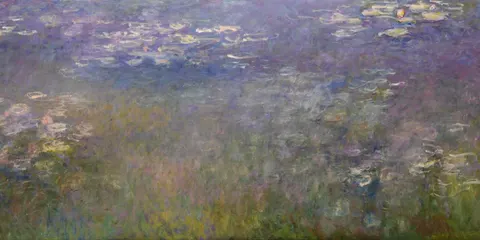

Water Lilies
Claude Monet, c. 1915–1926
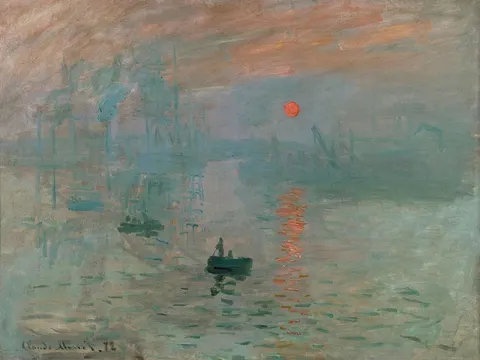

Impression, Sunrise
Claude Monet, 1872
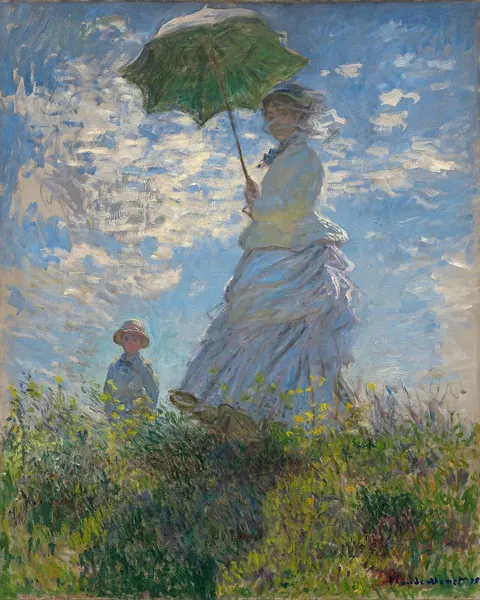

Woman with a Parasol – Madame Monet and Her Son
Claude Monet, 1875
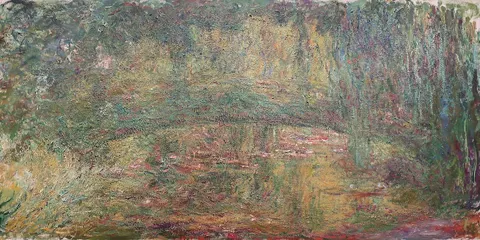

The Japanese Bridge
Claude Monet, 1918
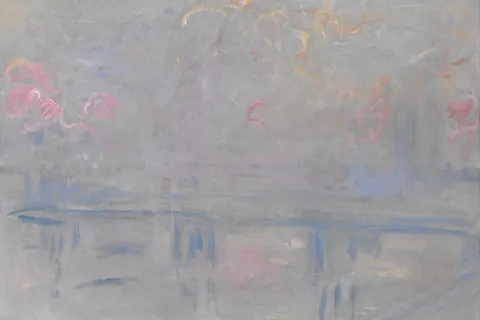

Charing Cross Bridge
Claude Monet, 1900s
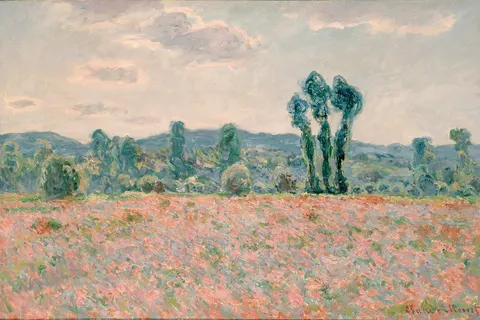

Poppy Field
Claude Monet, 1890
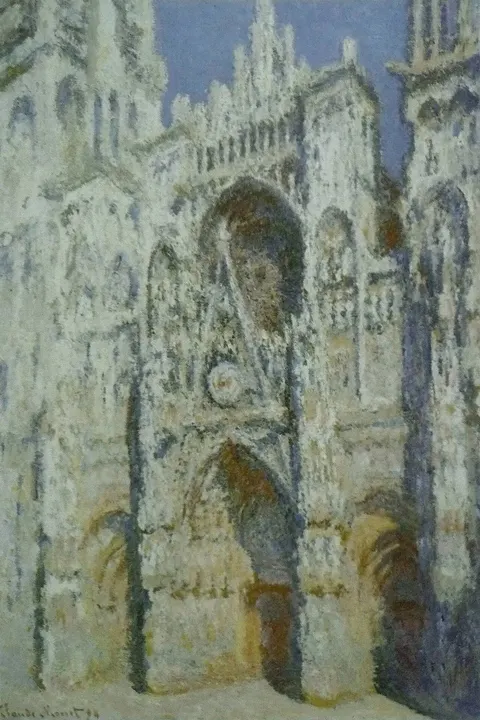

Rouen Cathedral, Full Sunlight (Harmony in Blue and Gold)
Claude Monet, 1893
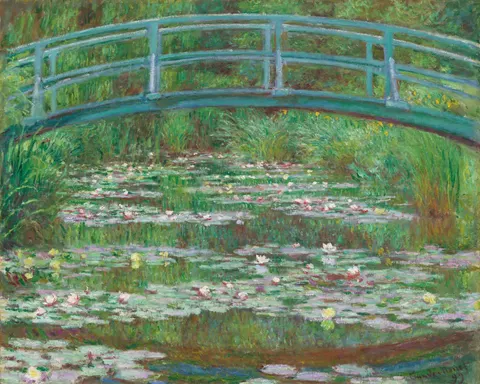

The Japanese Footbridge
Claude Monet, 1899
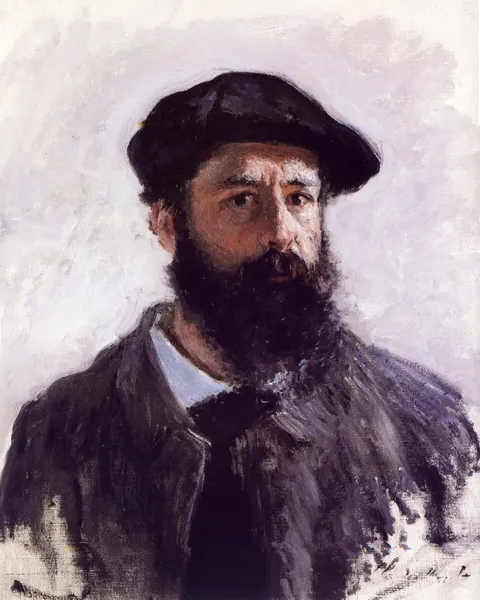

Self-portrait in Beret
Claude Monet, 1886
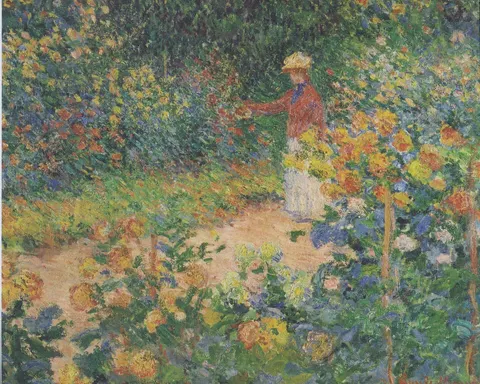

Monet's Garden at Giverny
Claude Monet, 1895
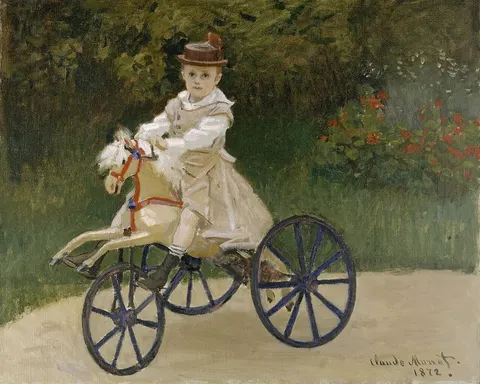

Jean Monet on His Hobby Horse
Claude Monet, 1872
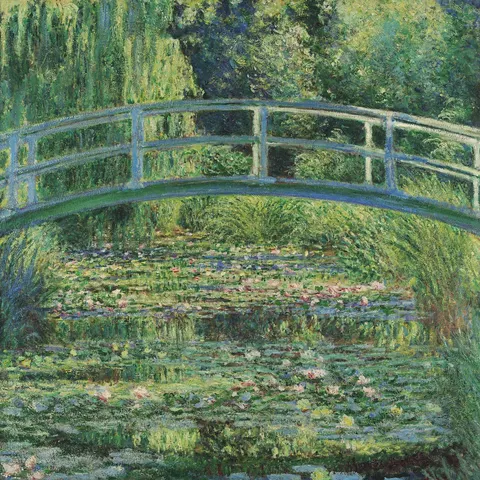

Water Lilies and Japanese Bridge
Claude Monet, 1899
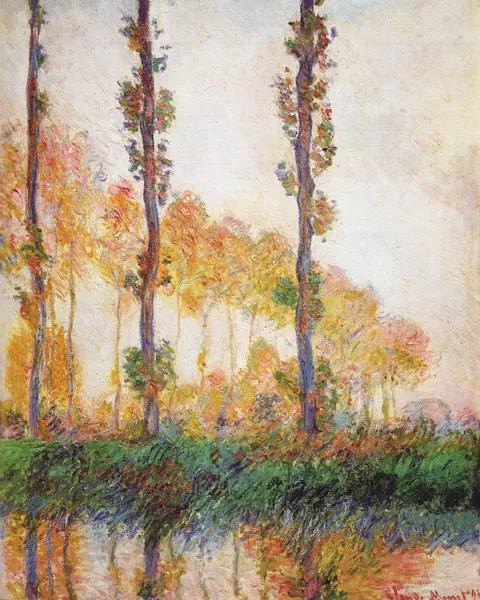

Poplars (Autumn)
Claude Monet, 1891
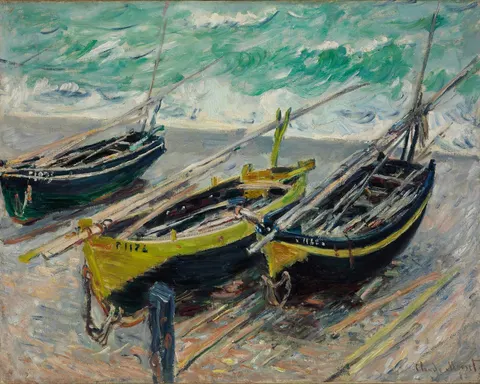

Three Fishing Boats
Claude Monet, 1886
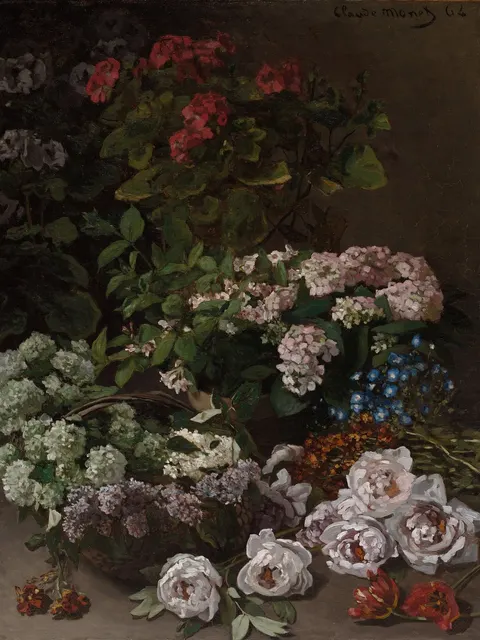

Spring Flowers
Claude Monet, 1864
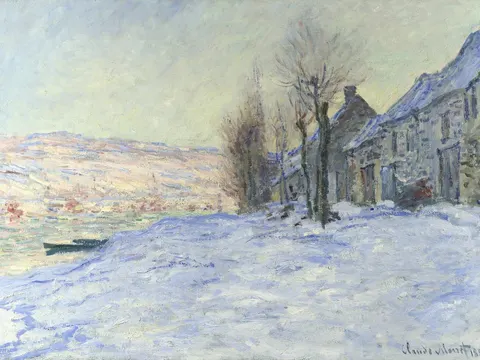

Lavacourt under Snow
Claude Monet, 1881
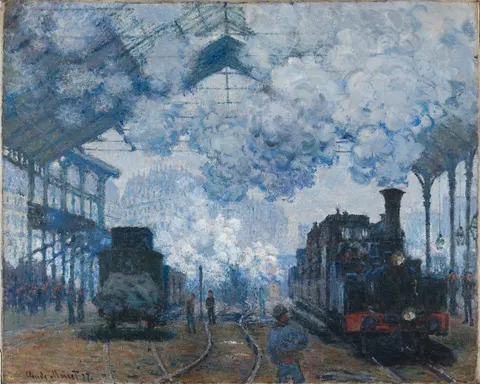

The Gare Saint-Lazare: Arrival of a Train
Claude Monet, 1877
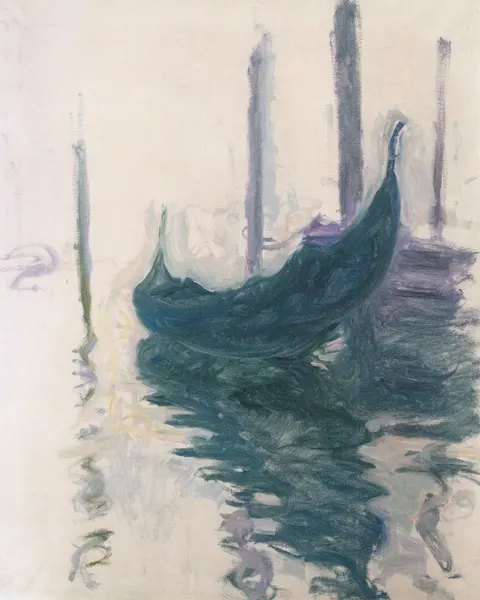

Gondola in Venice
Claude Monet, 1908
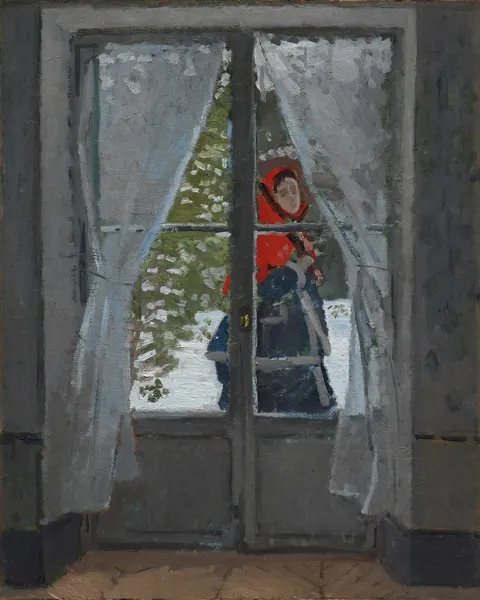

The Red Kerchief
Claude Monet, c. 1868–1873
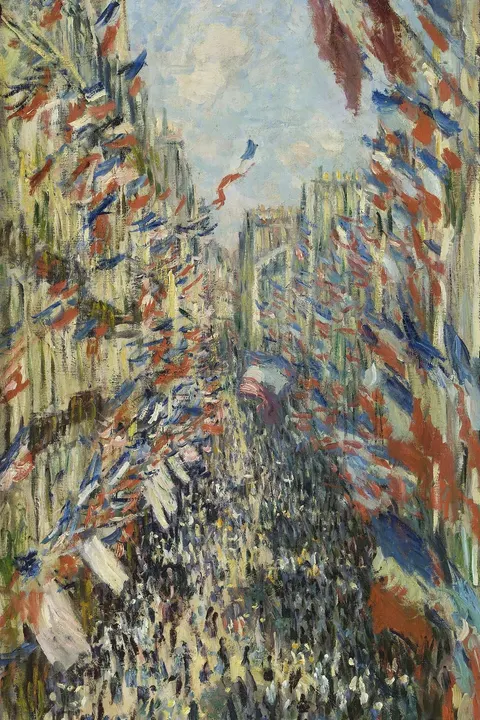

La Rue Montorgueil
Claude Monet, 1878
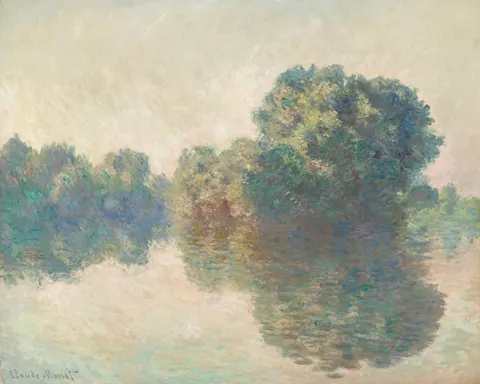

The Seine at Giverny
Claude Monet, 1897
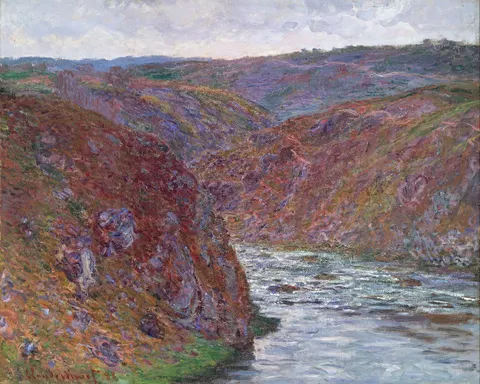

Valley of the Creuse (Gray Day)
Claude Monet, 1889
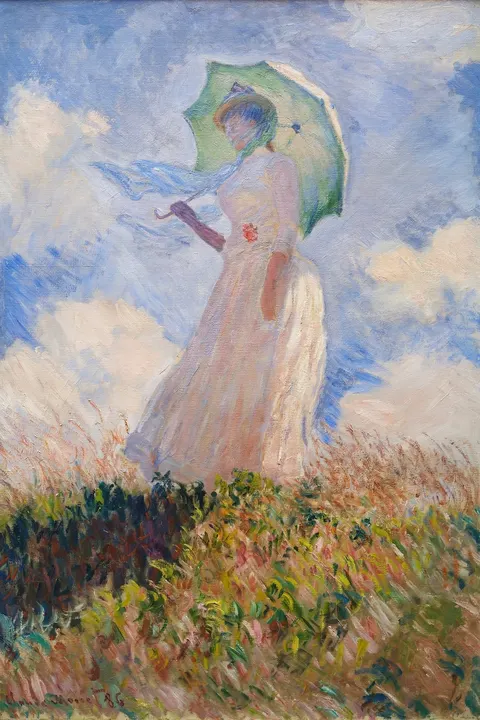

Woman with a Parasol, facing left
Claude Monet, 1886
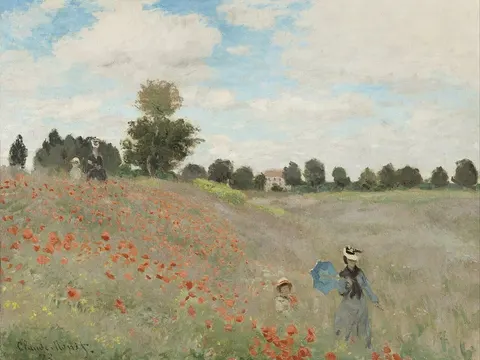

Poppy Field near Argenteuil (Coquelicots)
Claude Monet, 1873
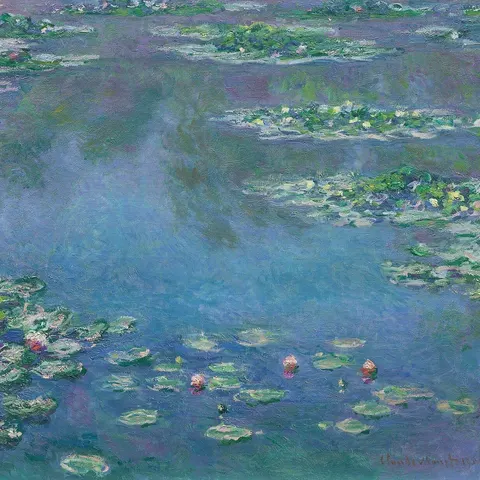

Water Lilies (Nymphéas), 1906
Claude Monet, 1906
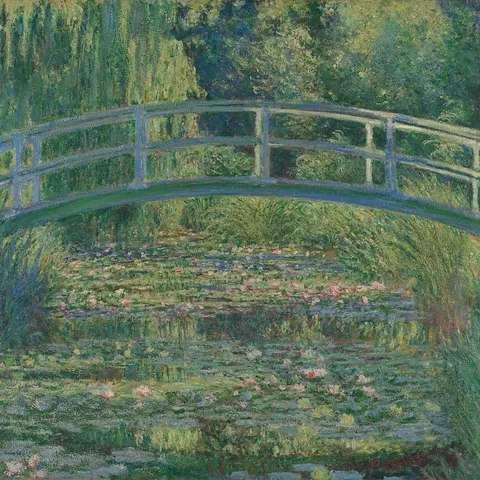

The Water Lily Pond (Le Bassin aux nymphéas)
Claude Monet, 1899
About Claude Monet
Born 1840
1860
1880
1900
Died 1926
Oscar-Claude Monet was born on November 14, 1840, in Paris and grew up in the Normandy port of Le Havre, where local painter Eugène Boudin introduced him to painting outdoors directly from nature rather than composing in a studio. This plein air habit became the foundation of his entire career and, eventually, of Impressionism itself.
In the 1860s Monet studied in Paris and met fellow future Impressionists Auguste Renoir and Frédéric Bazille. He married Camille Doncieux in 1870; she died of cancer in 1879. Financial hardship dogged him through the 1870s despite painting scenes like Impression, Sunrise, whose loose brushwork and casual title drew a critic's mocking coinage of 'Impressionism' in 1874 — a label the group adopted as its own.
From 1883 Monet rented, and later bought, a house at Giverny, where he built the water-lily pond and Japanese footbridge that dominated his art for his last three decades. Working in series to capture changing light and atmosphere, he produced hundreds of water lily canvases, some nearly blind from cataracts in his final years. He died at Giverny on December 5, 1926, at age 86.
Claude Monet is part of our Impressionism collection.
Questions about Claude Monet prints
- What are the Claude Monet prints made of?
- Every Claude Monet print is printed to order in the USA. Fine art prints use 340gsm cold press fine art paper, 100% cotton rag and acid-free, with archival inks. Canvases use 360gsm archival canvas, stretched over solid wood stretcher bars.
- What size Claude Monet print should I choose?
- It depends on the wall. As a rule of thumb, aim for artwork roughly two-thirds the width of the furniture it hangs above — check each artwork's page for a size guide against the original dimensions.
- Canvas, framed, or fine art print?
- Canvas and framed canvas suit statement walls and gift-giving, and arrive ready to hang. Fine art prints on cotton rag paper are a lower-cost way to try a piece before committing to a larger format.
- How long does delivery take?
- Every print is made to order and arrives within 8 business days, often sooner. If it arrives damaged or faulty, we replace or refund it within 90 days.