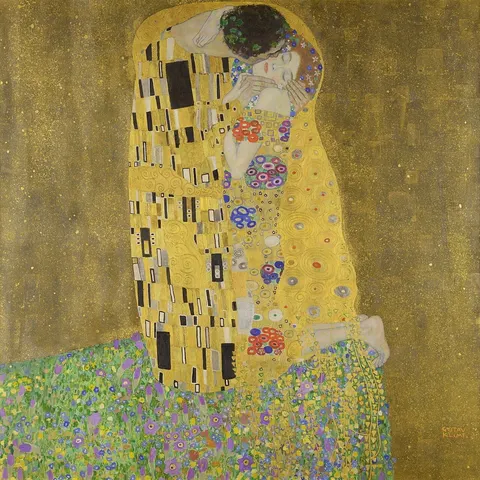
1890s–1910s, Vienna and Europe
Symbolism & the Vienna Secession
Symbolist painters looked past everyday appearance to dreams, myth and private meaning. In Vienna, Gustav Klimt and the Secession set themselves against the official academy, aiming to merge painting with architecture and design.
Key works
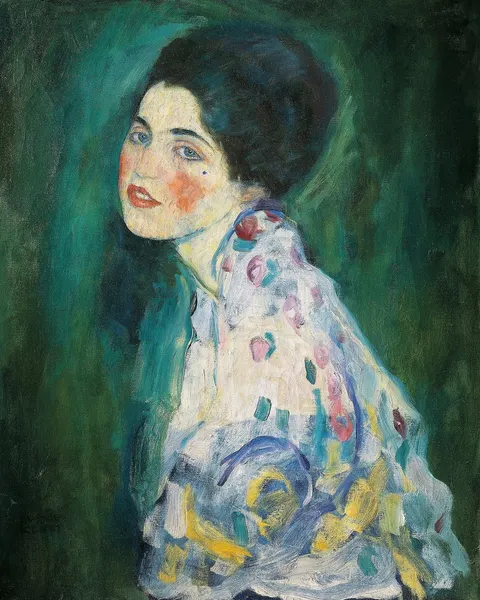

Portrait of a Lady
Gustav Klimt, 1916–1917
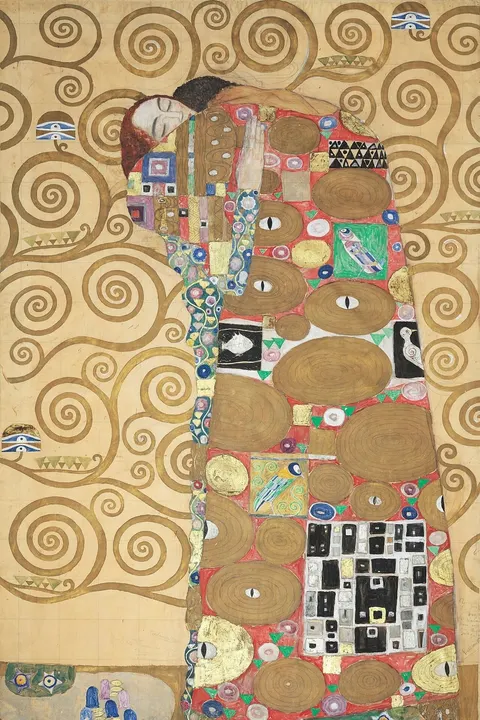

Fulfillment
Gustav Klimt, 1905–1909
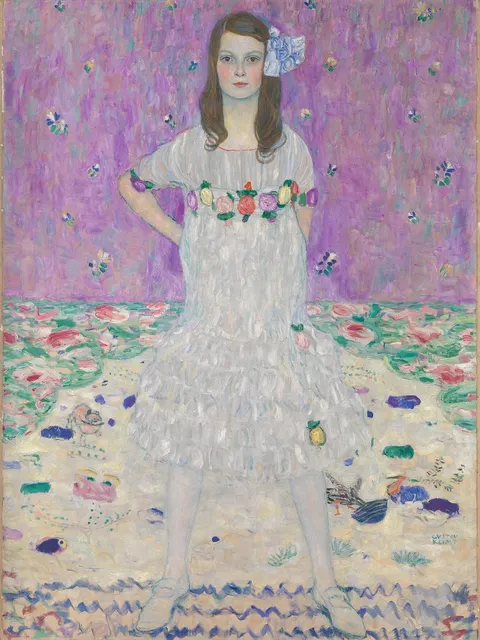

Mäda Primavesi
Gustav Klimt, 1910s
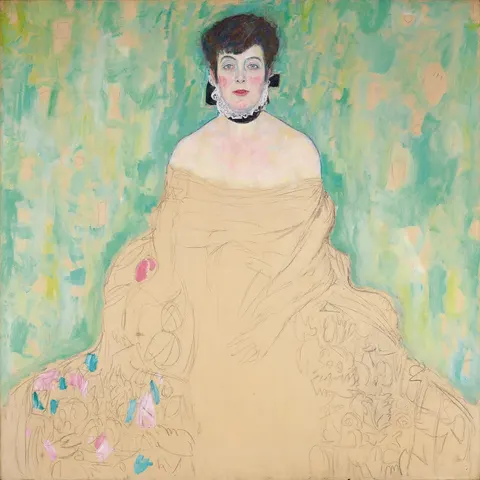

Portrait of Amalie Zuckerkandl
Gustav Klimt, 1917–1918
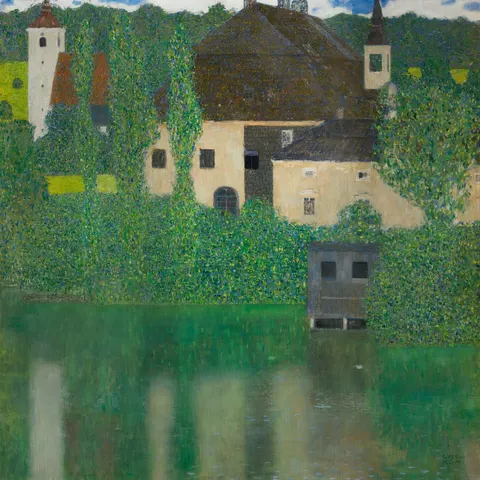

Water Castle
Gustav Klimt, 1908–1909
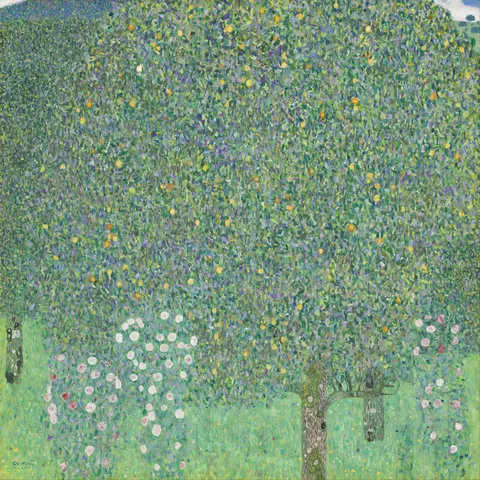

Rosebushes under the Trees
Gustav Klimt, 1905
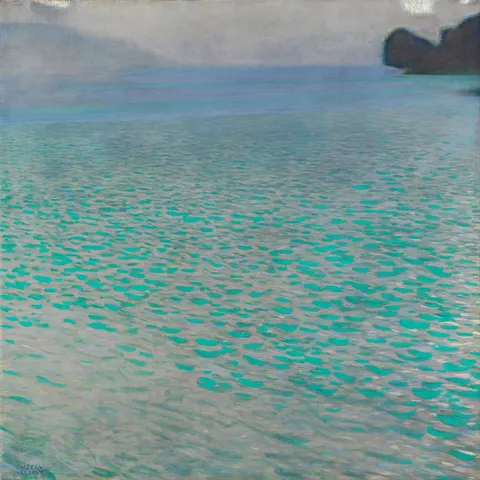

On Lake Attersee
Gustav Klimt, 1900
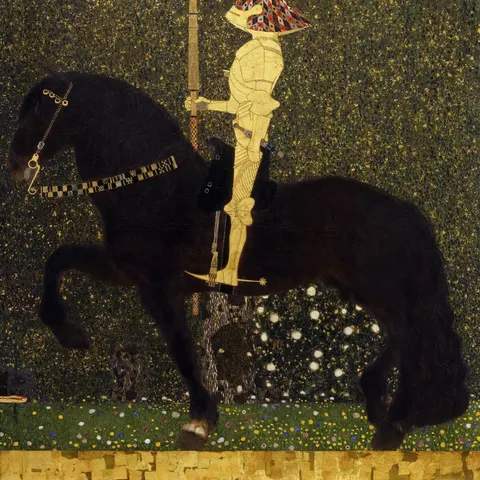

The Golden Knight
Gustav Klimt, 1903
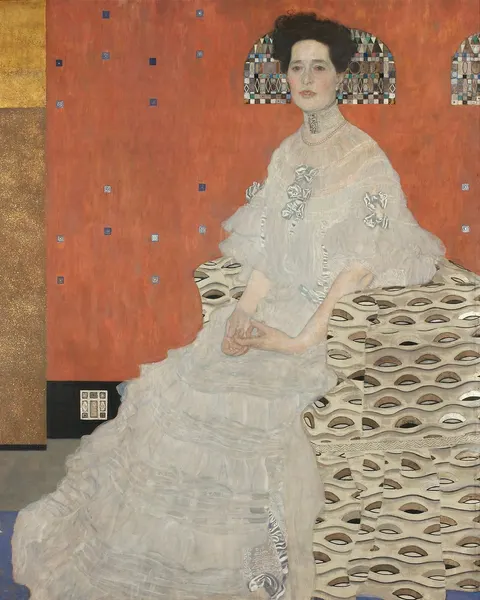

Fritza Riedler
Gustav Klimt, 1906
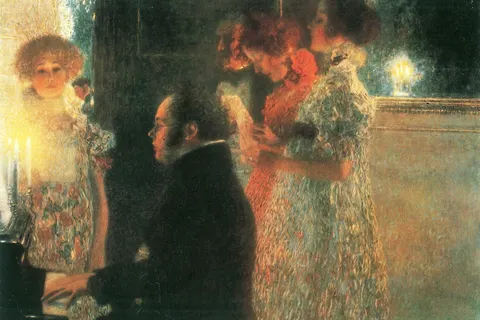

Schubert at the Piano II
Gustav Klimt, 1899
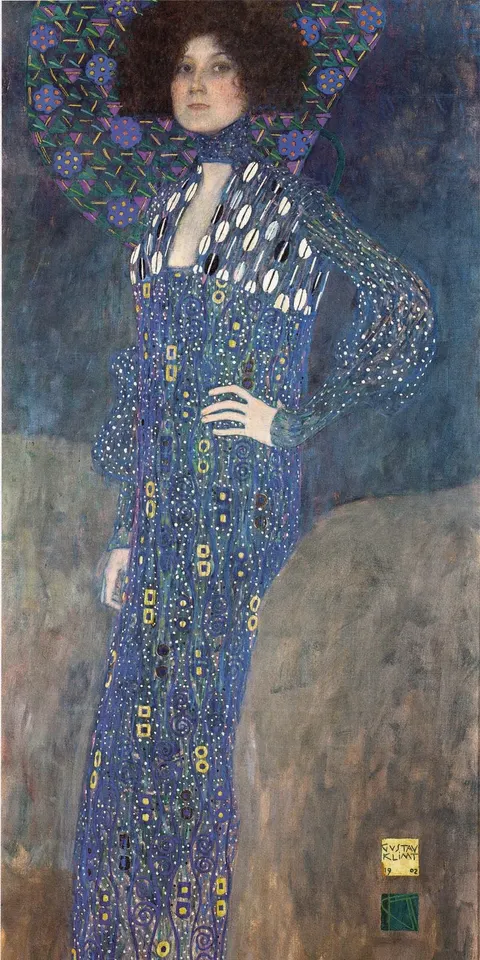

Portrait of Emilie Flöge
Gustav Klimt, 1902
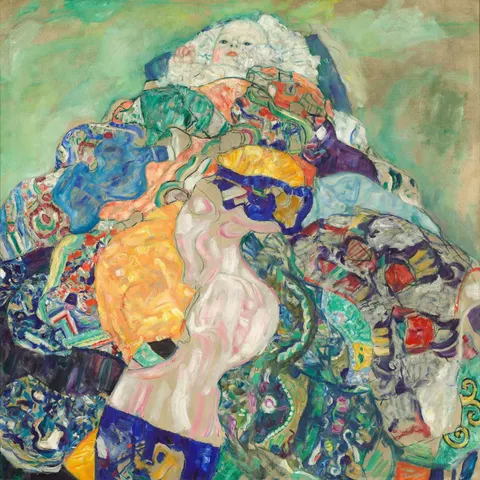

Baby (Cradle)
Gustav Klimt, 1917–1918
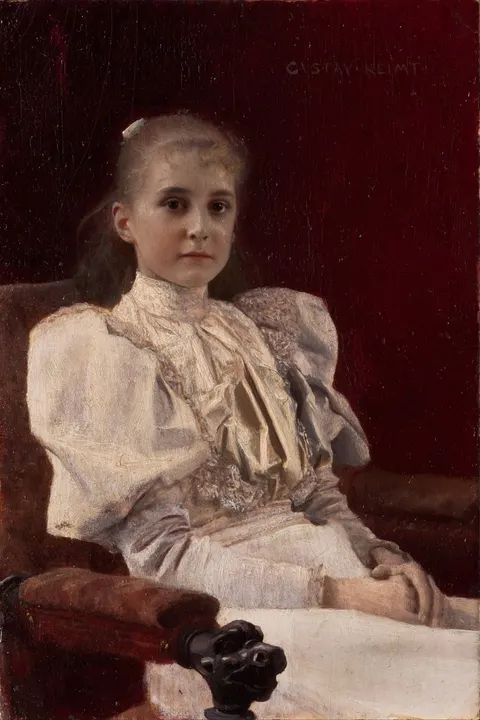

Seated Young Girl
Gustav Klimt, 1894
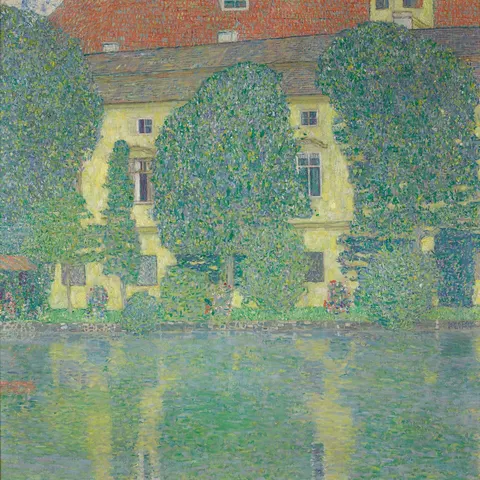

Castle Kammer at Attersee III (Schloss Kammer am Attersee III)
Gustav Klimt, 1910
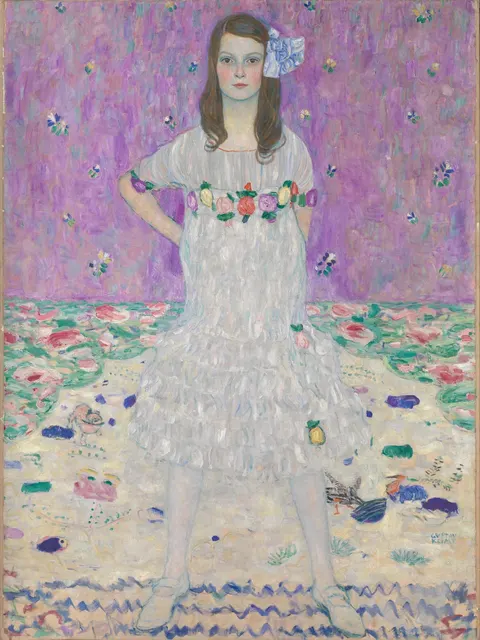

Mäda Primavesi
Gustav Klimt, 1912–1913
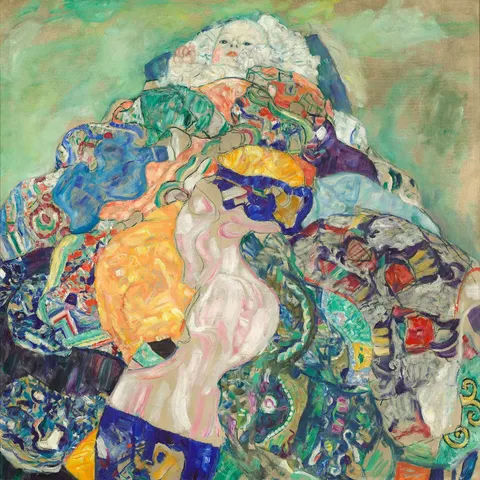

Baby (Cradle)
Gustav Klimt, 1917
1890s–
Vienna and Europe
23 prints by 1 artist in our collection
More about Symbolism & the Vienna Secession
Symbolism began in French and Belgian poetry as a reaction against naturalism and realism, then spread to painting across the Western world in many different styles. The poet Mallarmé put its method in a phrase: "to depict not the thing but the effect it produces". Its painters, among them Gustave Moreau, Odilon Redon, Munch and Klimt, used symbols that were personal and ambiguous rather than the familiar emblems of older art.
The Vienna Secession was founded on 3 April 1897 by Klimt, the designer Koloman Moser, the architects Josef Hoffmann and Joseph Maria Olbrich and others, who had walked out of the city's established artists' association; Klimt was elected its first president. Alphonse Mucha, then living in Paris, was among its early members. Olbrich's domed exhibition hall became the movement's emblem and the city's first gallery dedicated to contemporary art, where Viennese visitors met Monet and Degas.
For the 1902 exhibition built around Max Klinger's statue of Beethoven, Klimt painted the Beethoven Frieze straight onto the walls in light materials, meant to last only as long as the show. It runs 34 metres, follows Wagner's reading of Beethoven's Ninth Symphony and opens with floating figures urging a knight onward; visitors were given a brochure explaining its symbols. A collector bought it in 1903 to save it from destruction, and it has hung in the Secession Building again since 1986.
That idea of decoration as painting's equal split the group in 1905: Klimt's side lost a vote by a single ballot, and he, Hoffmann and Moser resigned. Klimt's summer landscapes of Lake Attersee carry the same emphatic patterning as his figures: deep space is pressed into a single patterned plane, so completely that he is thought to have worked with a telescope.