1890s–1920s, Northern Europe
Expressionism & Early Modernism
Expressionist painters bent colour and form to show inner feeling rather than outward appearance. Edvard Munch's anxious, haunted images and Wassily Kandinsky's move into abstraction mark the path from Symbolism to modern art.
Key works
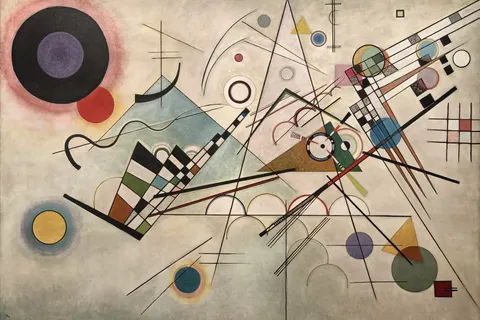

Composition VIII
Wassily Kandinsky, 1923
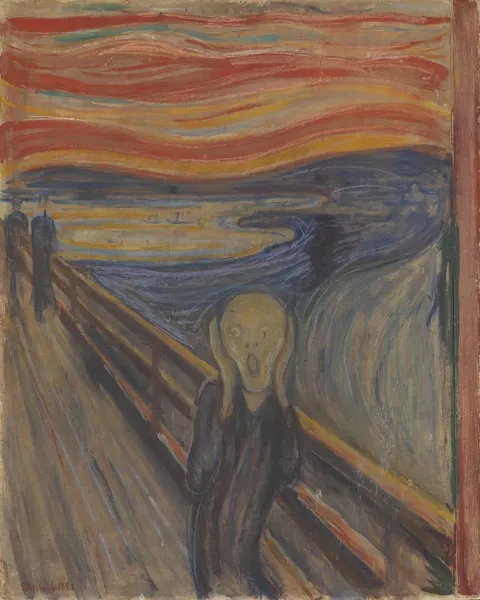

The Scream
Edvard Munch, 1893
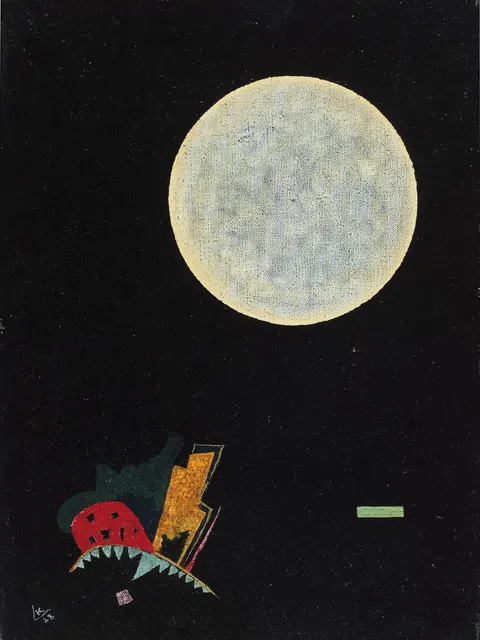

A Circle (A)
Wassily Kandinsky, 1928
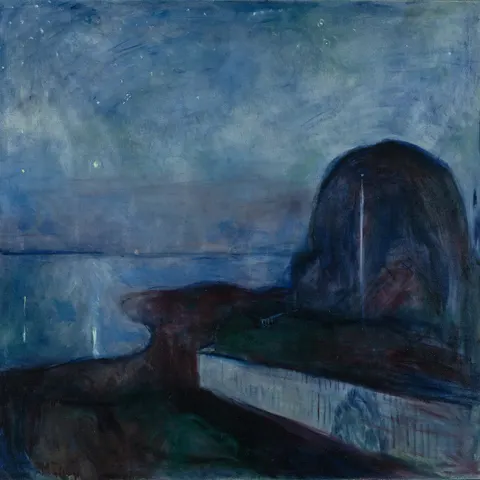

Starry Night
Edvard Munch, 1893
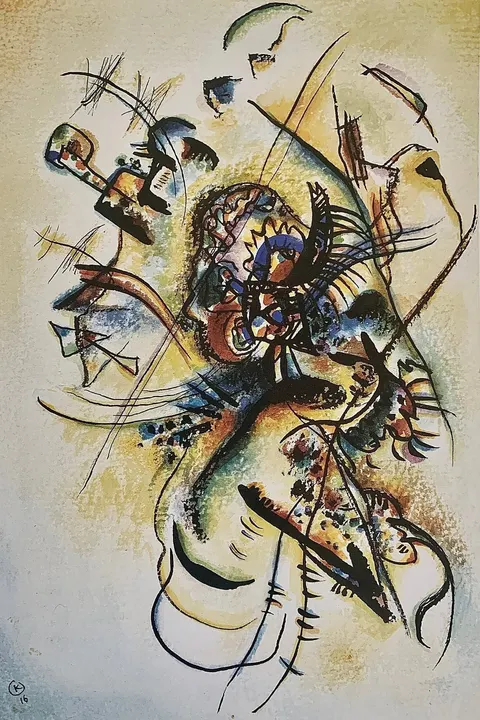

Composition J
Wassily Kandinsky, 1916
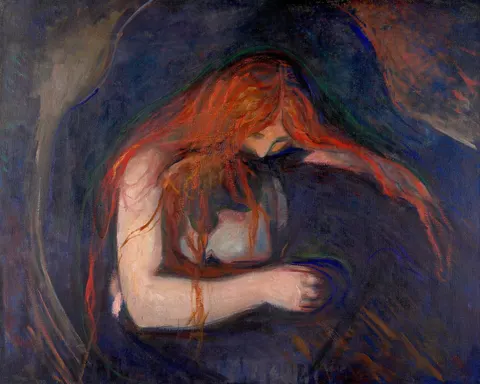

Vampire
Edvard Munch, 1895
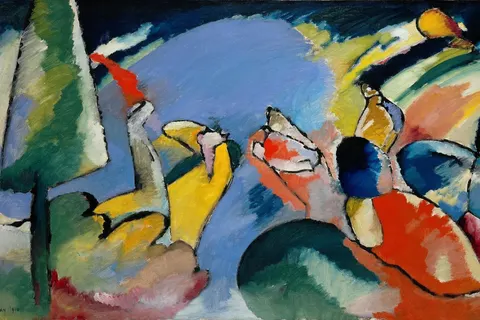

Improvisation 14
Wassily Kandinsky, 1910
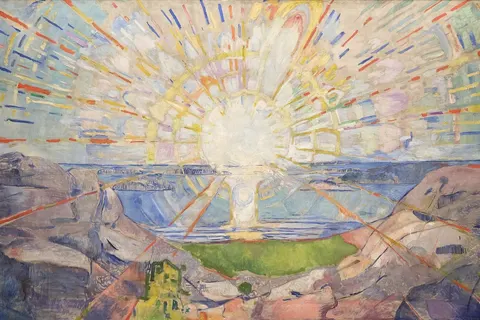

The Sun
Edvard Munch, 1911
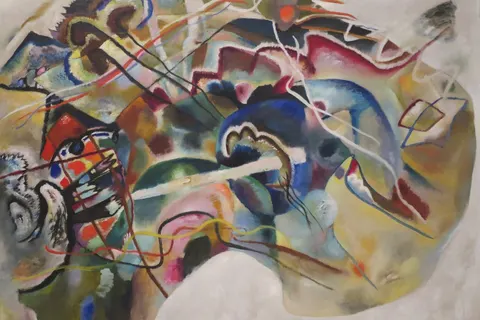

Painting with White Border
Wassily Kandinsky, 1913
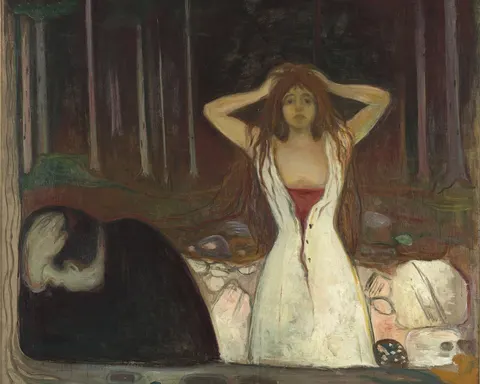

Ashes
Edvard Munch, 1895
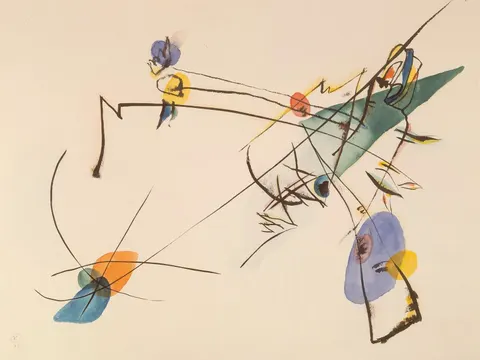

Simple
Wassily Kandinsky, 1916
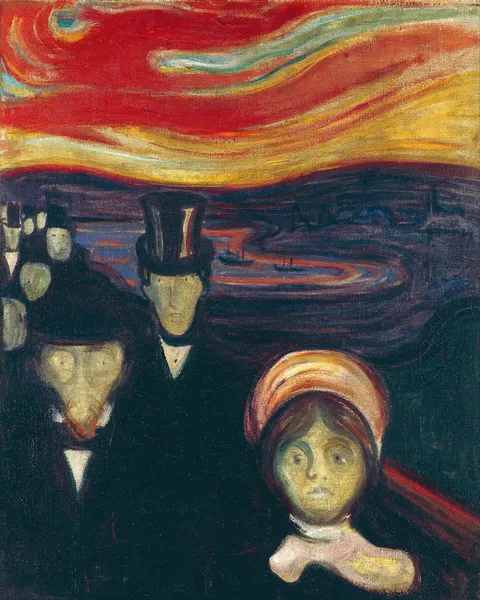

Anxiety
Edvard Munch, 1894
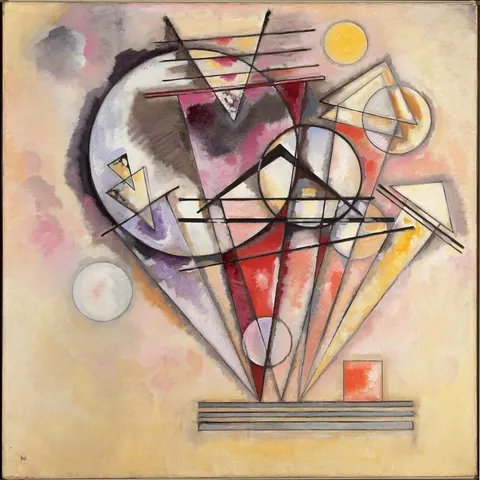

On the Points
Wassily Kandinsky, 1928
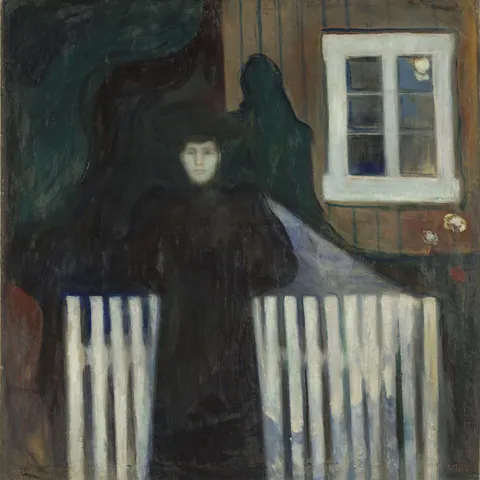

Moonlight
Edvard Munch, 1893
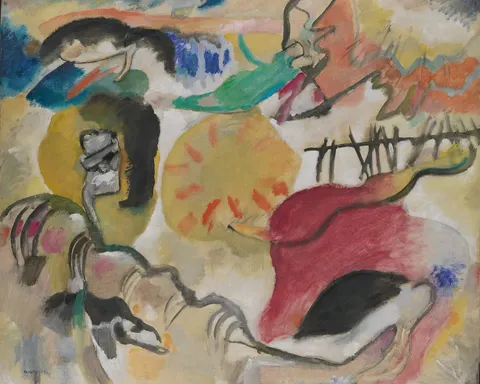

Improvisation 27 (Garden of Love II)
Wassily Kandinsky, 1912
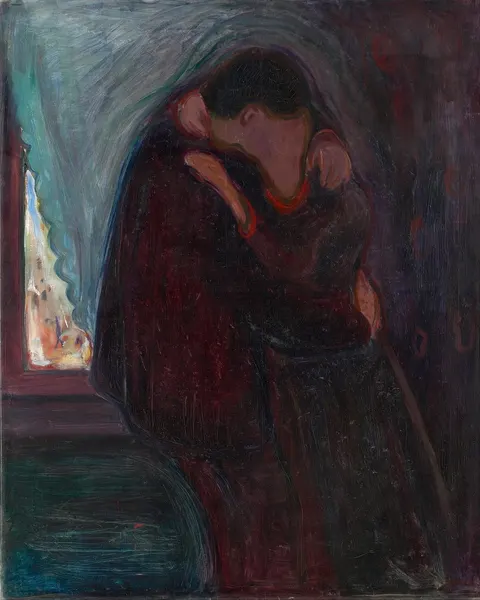

The Kiss
Edvard Munch, 1897
1890s–
Northern Europe
47 prints by 2 artists in our collection
More about Expressionism & Early Modernism
The name came after the pictures and never fitted neatly; it only took hold around 1913. One account credits the Czech art historian Antonin Matějček, who set it against Impressionism in 1910: "An Expressionist wishes, above all, to express himself." Two German groups gave it shape: Die Brücke, founded in Dresden in 1905 by four artists led by Ernst Ludwig Kirchner, and Der Blaue Reiter, formed in Munich in 1911. Its painters looked to Munch, van Gogh and African art, and to the Fauves' bold colour in Paris.
Munch painted love, anxiety and jealousy as one connected cycle, the Frieze of Life, and the German Expressionists took up his belief that art should come from the urge "to open his heart". In The Scream, look for how little is described: broad bands of garish colour, simplified forms and a high viewpoint do all the work.
Kandinsky's route ran from bright, recognisable landscapes to the Improvisations and Compositions that made him a pioneer of abstraction. The Blue Rider itself grew out of a rejection: in December 1911 a Munich jury turned down his Composition V, so he, Münter, Franz Marc and others hung a rival show in the rooms next door. He later traced the name to Marc's love of horses, his own of riders, and a shared love of blue, for him the colour of spirituality. The war ended the group in 1914, and Marc and August Macke were killed in combat.
The movement faded in Germany under Hitler, whose regime removed 82 of Munch's works from German museums. After the 1937 "degenerate art" exhibition in Munich, American museums began buying and showing more and more Expressionist work.