1839–1906 · French · Post-Impressionism
Paul Cézanne Art Prints
Paul Cézanne (1839–1906) kept returning to the country around Aix-en-Provence, where he was born and where he died: its mountain, its farm workers and the fruit on his studio table. He built each picture from small planes and strokes of colour, slowly, and the result bridged Impressionism and Cubism; Matisse and Picasso are both said to have called him “the father of us all”.
Shop Paul Cézanne
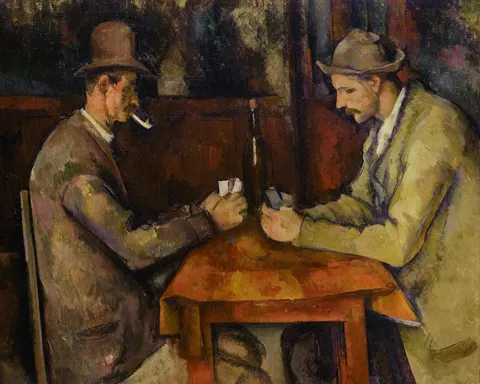

The Card Players
Paul Cézanne, 1890
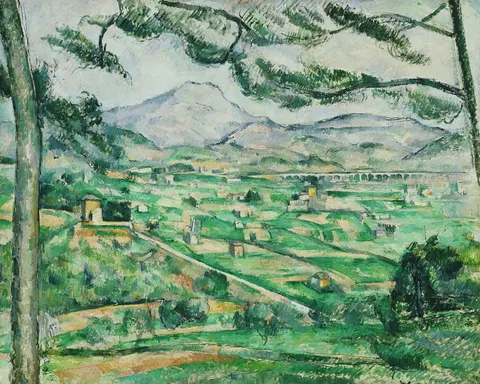

Mont Sainte-Victoire
Paul Cézanne, 1880s
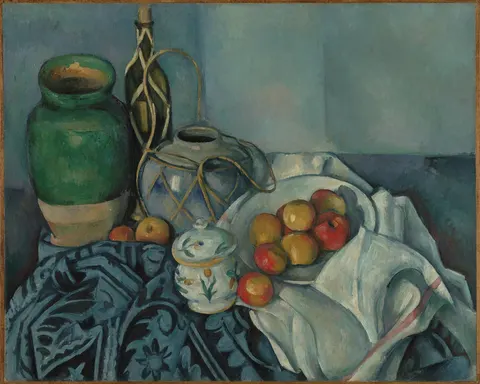

Still Life with Apples
Paul Cézanne, 1893–1894
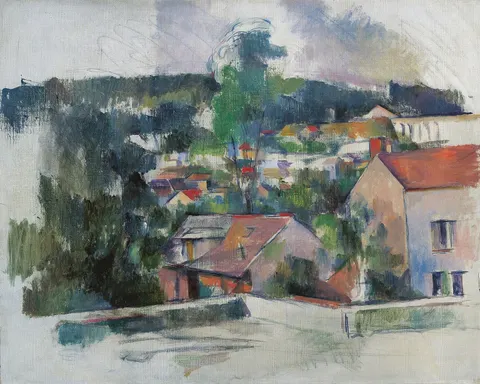

Landscape
Paul Cézanne, 1888–1890
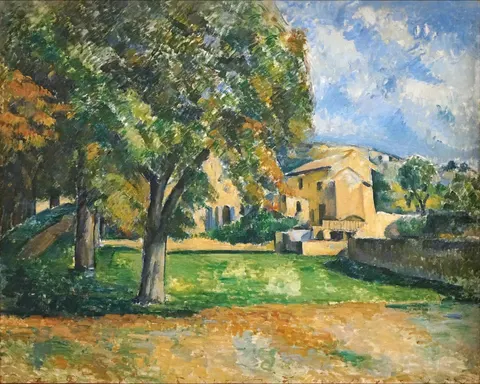

Chestnut and Jas de Bouffan farm
Paul Cézanne, 1886
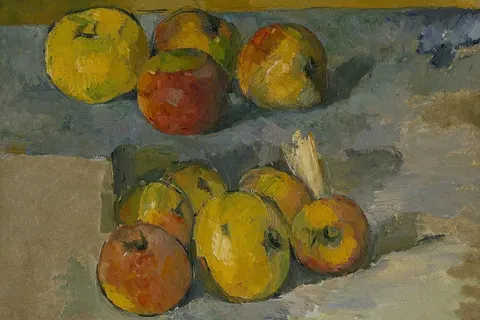

Apples
Paul Cézanne, 1878–1879
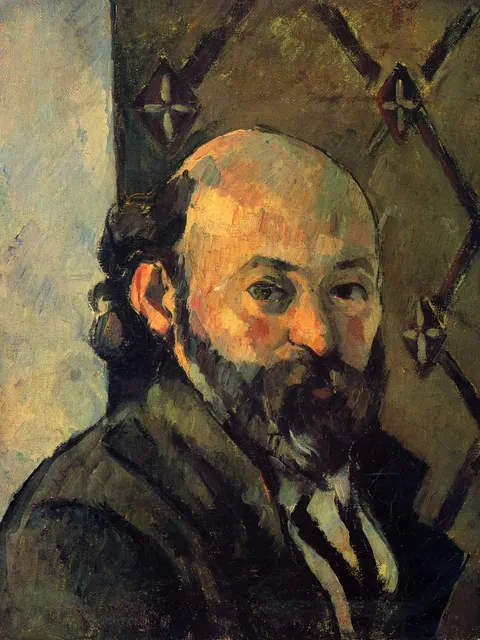

Self Portrait
Paul Cézanne, 1880–1881
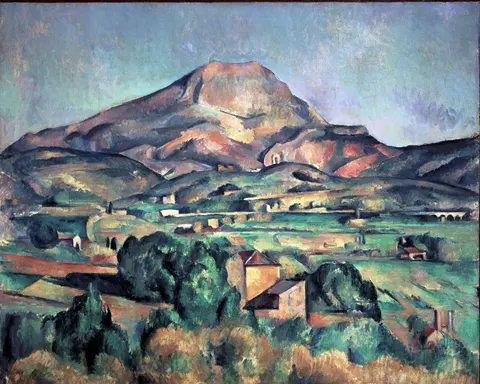

Mont Sainte-Victoire seen from Bellevue
Paul Cézanne, 1892
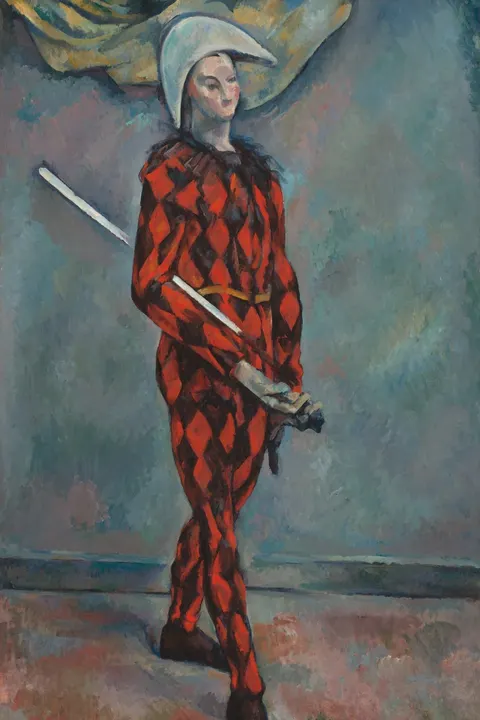

Harlequin
Paul Cézanne, 1888–1890
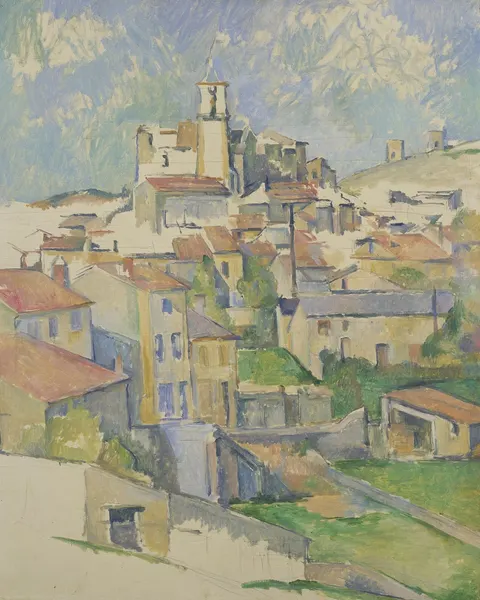

Gardanne
Paul Cézanne, 1880s
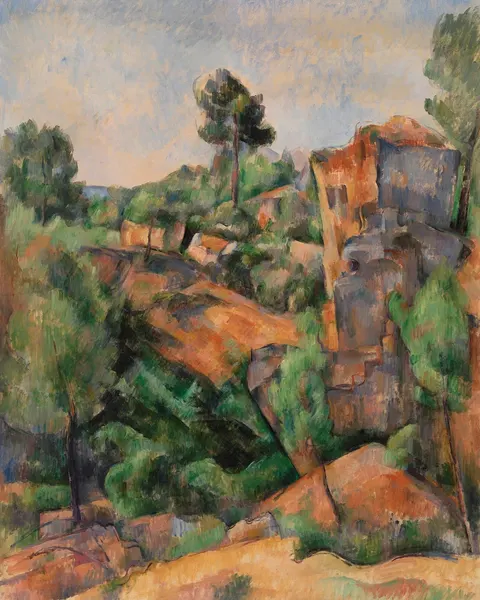

Bibémus Quarry (Carrière de Bibémus)
Paul Cézanne, c. 1895
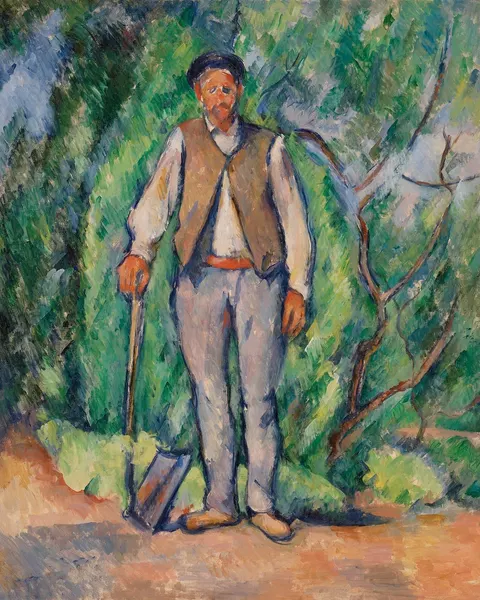

Gardener (Le Jardinier)
Paul Cézanne, c. 1885
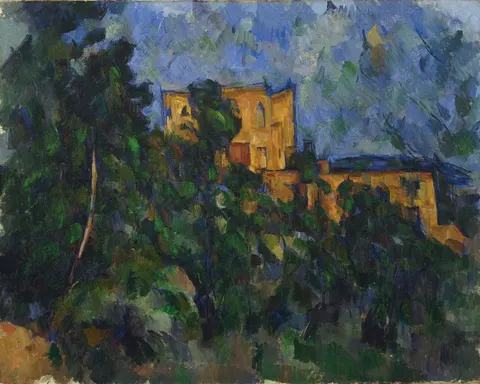

Château Noir
Paul Cézanne, 1903–1904
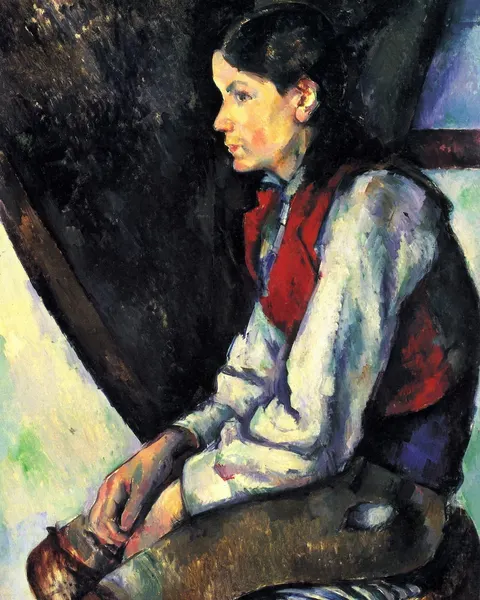

Boy in a Red Vest
Paul Cézanne, 1888–1890
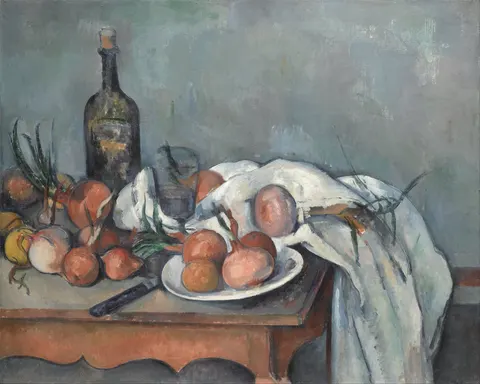

Still Life with Onions
Paul Cézanne, 1898
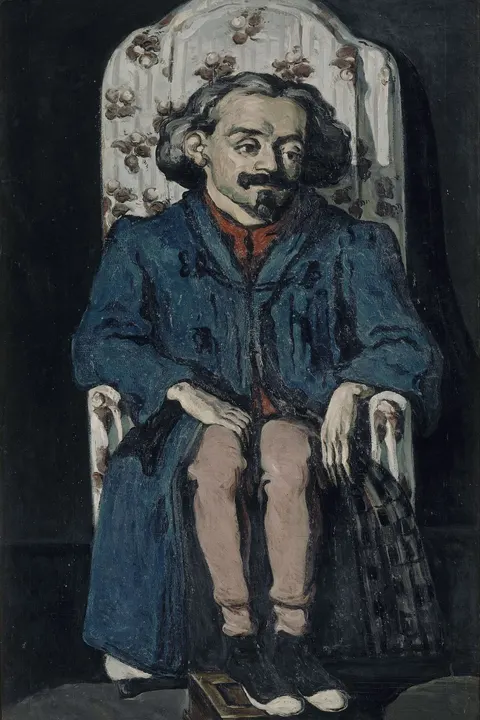

Achille Emperaire
Paul Cézanne, 1867–1868
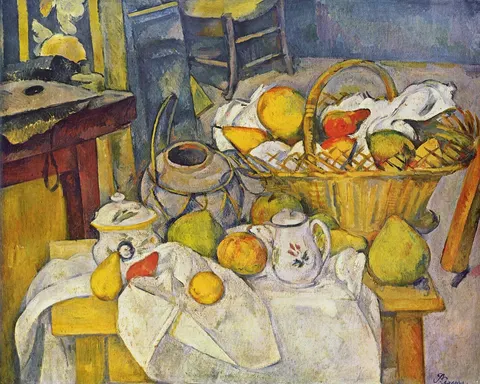

Still life with fruit basket
Paul Cézanne, 1888
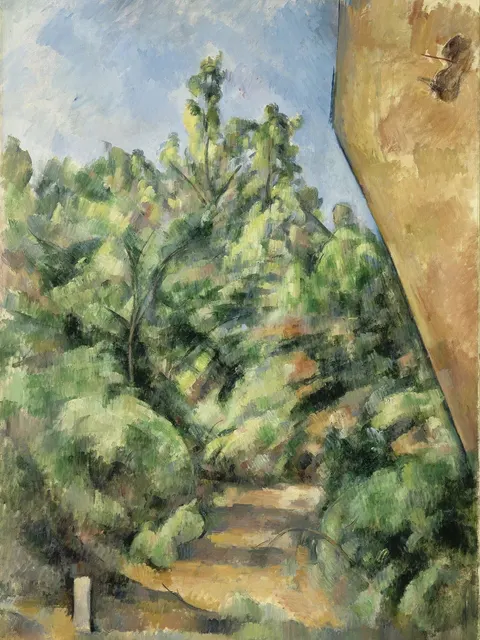

The Red Rock
Paul Cézanne, c. 1895
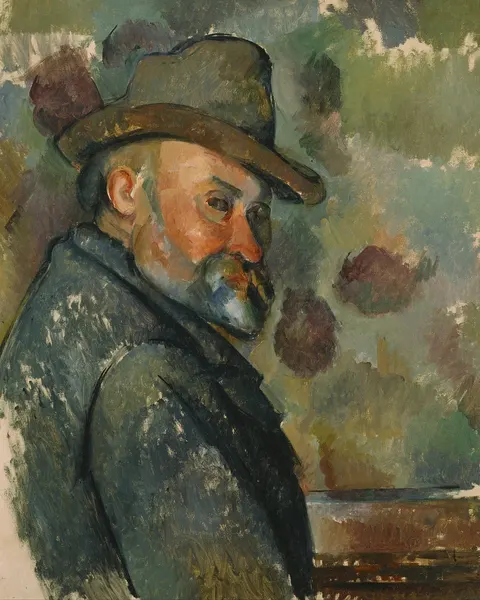

Self-portrait in a Soft Hat
Paul Cézanne, 1894
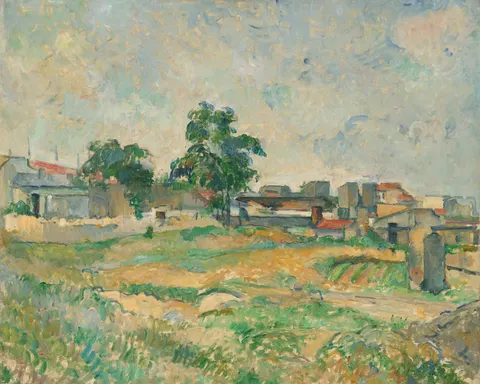

Landscape near Paris
Paul Cézanne, c. 1876
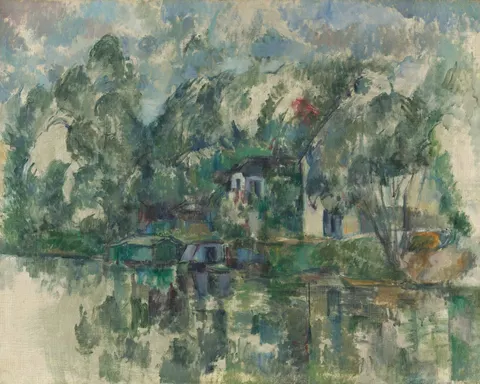

At the Water's Edge
Paul Cézanne, c. 1890
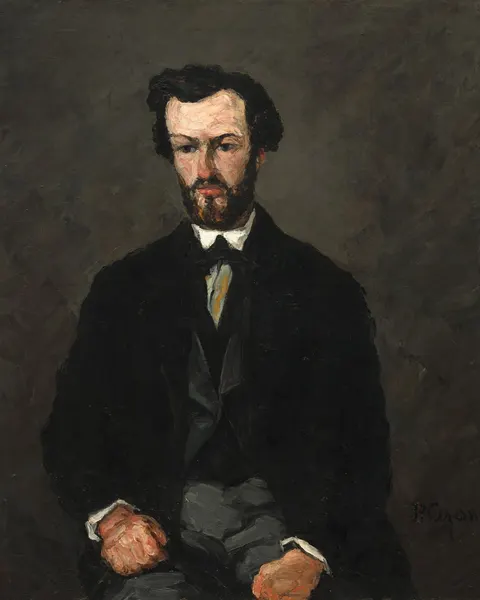

Antony Valabrègue
Paul Cézanne, 1866
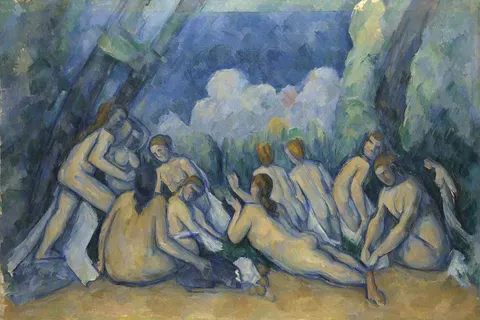

Bathers (Les Grandes Baigneuses)
Paul Cézanne, 1894–1905
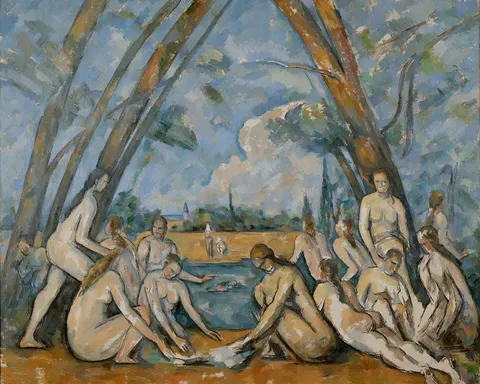

Les Grandes Baigneuses (The Large Bathers)
Paul Cézanne, 1900–1906
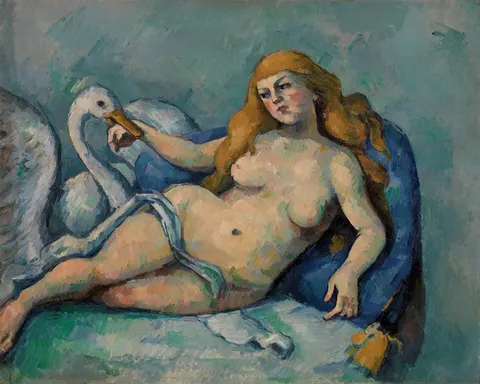

Leda and the Swan (Léda au cygne)
Paul Cézanne, c. 1880
About Paul Cézanne
Born 1839
1860
1880
Died 1906
His father co-founded a bank in Aix and wanted Paul to inherit it, so he first studied law, reluctantly. At school his close friend was Émile Zola, who urged him to follow him to Paris, where the École des Beaux-Arts turned him down. At the free Académie Suisse he met Pissarro and Achille Emperaire, a fellow painter from Aix. The Salon rejected him every year from 1864 to 1869, and critics mocked his work at the Impressionist shows. The family bank, at least, gave him a security most of his fellow painters never had.
Camille Pissarro changed him. Painting beside him at Pontoise in the 1870s, Cézanne dropped his early dark palette for brighter colour and loose strokes laid side by side. Long afterwards he still called himself Pissarro's pupil.
Back in Provence he returned to the same subjects again and again. He painted Mont Sainte-Victoire in about eighty paintings and watercolours, after first praising it as a “beau motif” seen from a train. In Mont Sainte-Victoire seen from Bellevue, look near the centre-right for the bridge that carried that railway across the Arc valley. The Card Players used farmhands from around the family estate, the Jas de Bouffan, as models, and leaves out the drink, money and drama that older card-game pictures relied on. In his still lifes he arranged the fruit in the studio and would enlarge a single pear if the composition needed the weight. Once money allowed, he hired a professional model, a young Italian named Michelangelo di Rosa, for The Boy in the Red Vest.
Wider notice came late, with Ambroise Vollard's show of his work in 1895. He kept working outdoors to the end: caught in a storm while painting in October 1906, he collapsed, and died of pneumonia a week later.
Paul Cézanne is part of our Post-Impressionism collection.
Related artists
Questions about Paul Cézanne prints
- What are the Paul Cézanne prints made of?
- Every Paul Cézanne print is printed to order in the USA. Fine art prints use 340gsm cold press fine art paper, 100% cotton rag and acid-free, with archival inks. Canvases use 360gsm archival canvas, stretched over solid wood stretcher bars.
- What size Paul Cézanne print should I choose?
- It depends on the wall. As a rule of thumb, aim for artwork roughly two-thirds the width of the furniture it hangs above — check each artwork's page for a size guide against the original dimensions.
- Canvas, framed, or fine art print?
- Canvas and framed canvas suit statement walls and gift-giving, and arrive ready to hang. Fine art prints on cotton rag paper are a lower-cost way to try a piece before committing to a larger format.
- How long does delivery take?
- Every print is made to order and arrives within 8 business days, often sooner. If it arrives damaged or faulty, we replace or refund it within 90 days.