1860s–1880s, France
Impressionism
Impressionism broke from the polished studio painting of the French Academy, favoring quick, visible brushstrokes and everyday subjects captured outdoors in shifting light. The name comes from a jab at Claude Monet's 1872 harbor scene Impression, Sunrise.
Key works
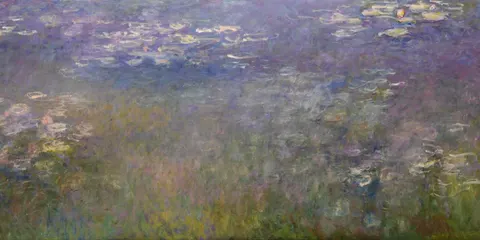

Water Lilies
Claude Monet, c. 1915–1926
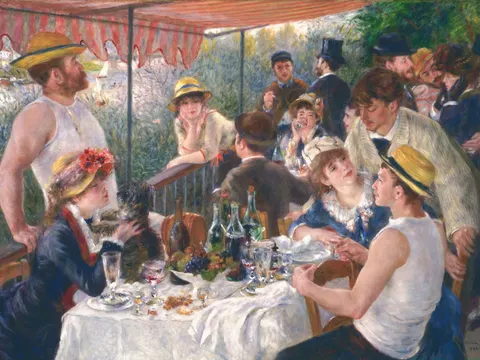

Luncheon of the Boating Party
Pierre-Auguste Renoir, 1880–1881
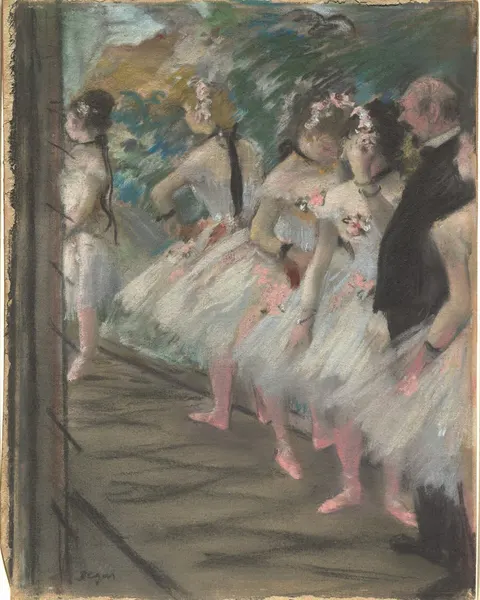

The Ballet
Edgar Degas, c. 1880
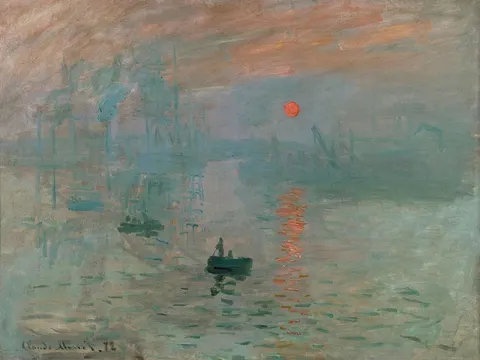

Impression, Sunrise
Claude Monet, 1872
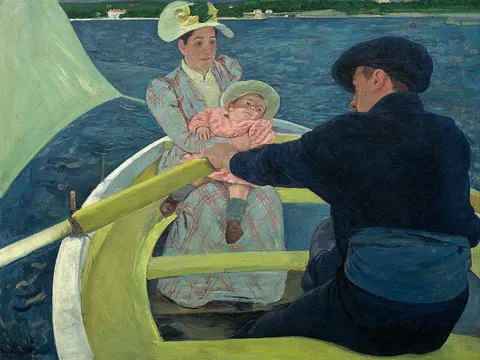

The Boating Party
Mary Cassatt, 1893–94
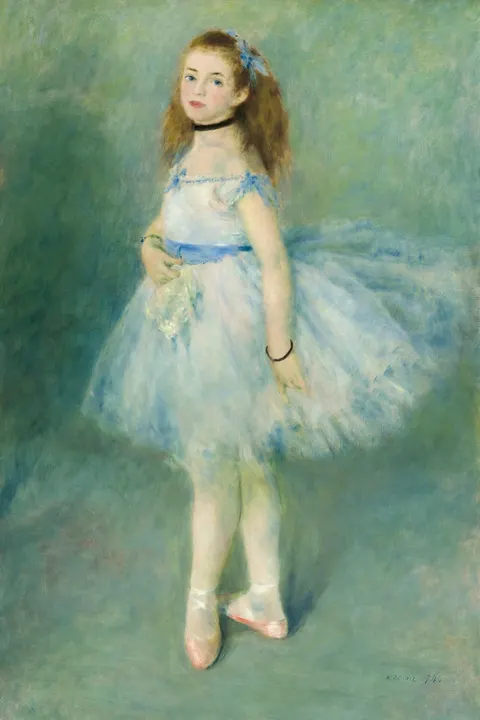

The Dancer
Pierre-Auguste Renoir, 1874
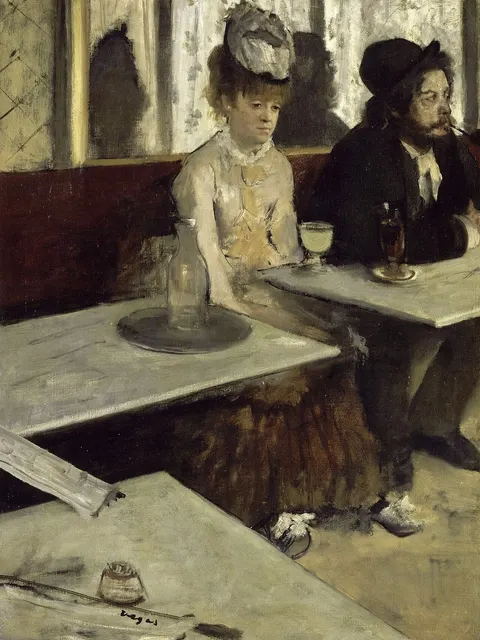

L'Absinthe
Edgar Degas, 1875–1876
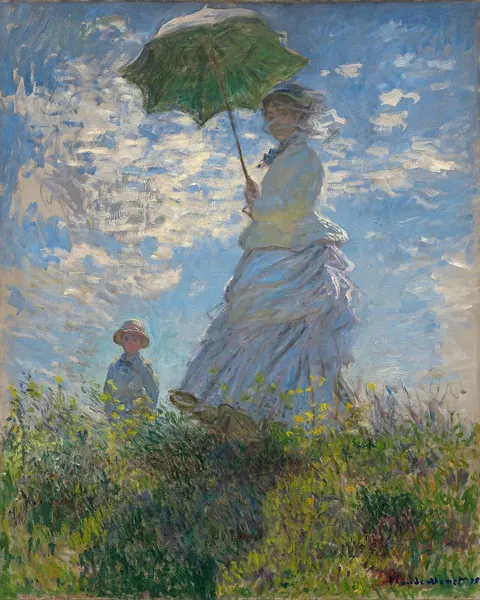

Woman with a Parasol – Madame Monet and Her Son
Claude Monet, 1875
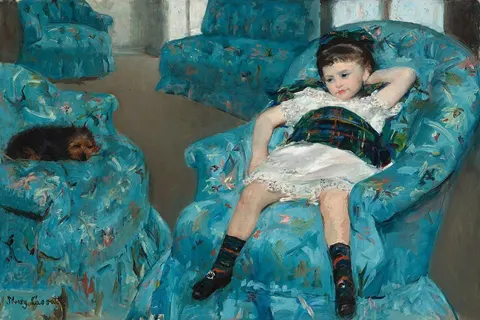

Little Girl in a Blue Armchair
Mary Cassatt, 1878
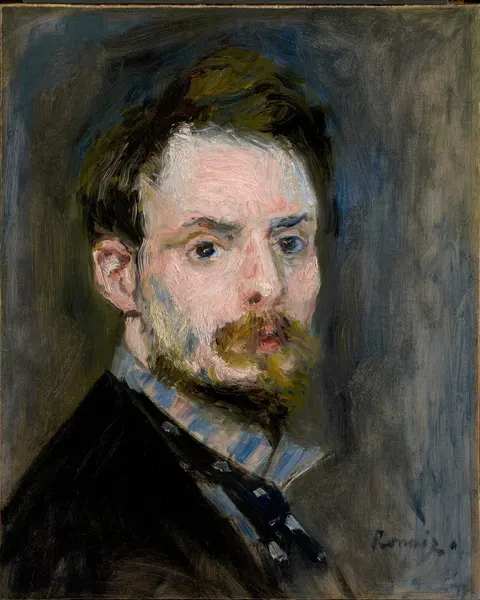

Self-Portrait
Pierre-Auguste Renoir, c. 1875
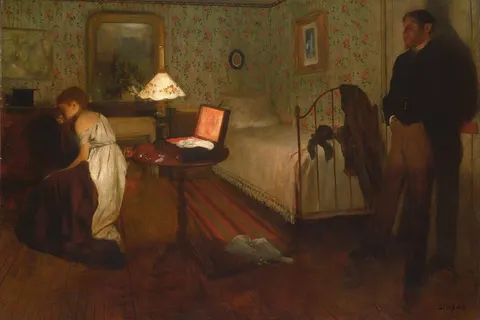

Interior
Edgar Degas, 1868–1869
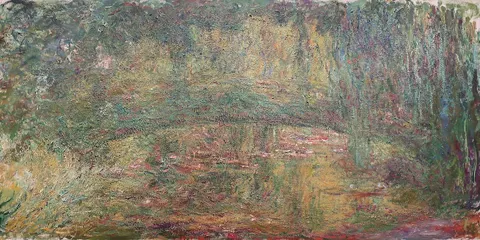

The Japanese Bridge
Claude Monet, 1918
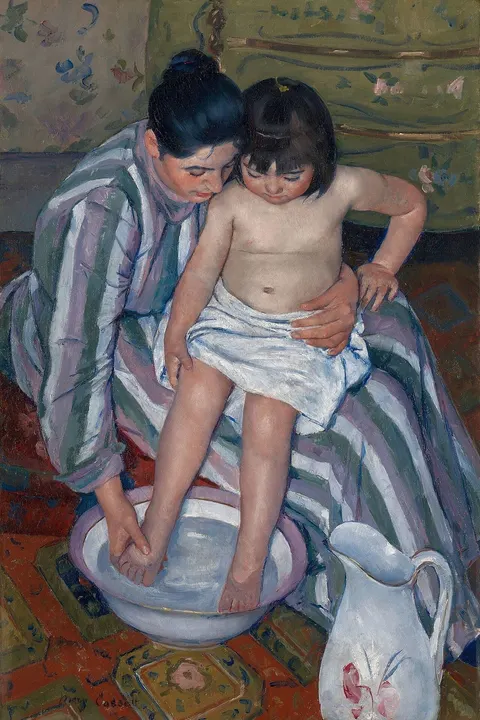

The Child's Bath
Mary Cassatt, 1893
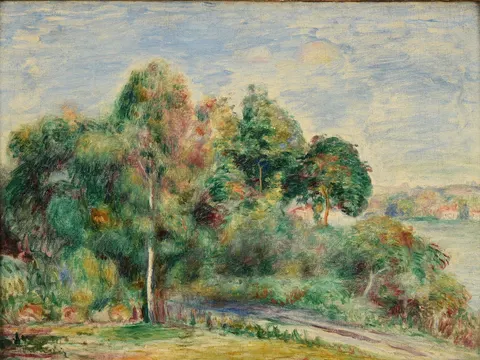

Landscape
Pierre-Auguste Renoir, c. 1890
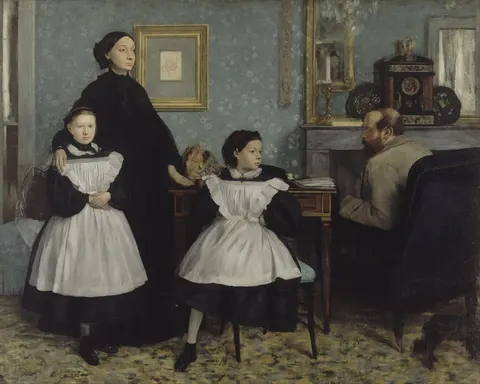

The Bellelli Family
Edgar Degas, 1858–1869
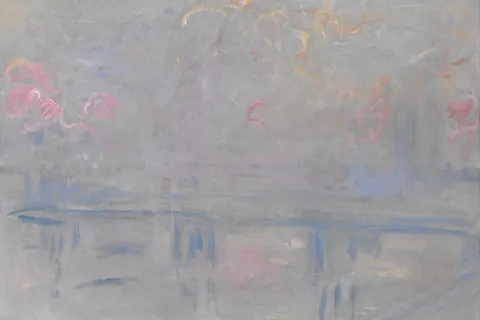

Charing Cross Bridge
Claude Monet, 1900s
1860s–
France
77 prints by 4 artists in our collection
More about Impressionism
A group of Paris-based painters — Monet, Renoir, Degas, Pissarro, Cassatt, and others — began exhibiting together in 1874 after the official Salon repeatedly rejected their work. Critic Louis Leroy mocked Monet's Impression, Sunrise as an unfinished 'impression' rather than a painting; the group adopted the insult as their name.
Instead of mixing colors on a palette, Impressionists often applied unmixed pigments in short strokes side by side, letting the eye blend them — a technique suited to painting outdoors (en plein air) as light and weather changed minute to minute. Subjects shifted from history and mythology to modern leisure: train stations, cafés, gardens, boating parties, and ballet rehearsals.
Mary Cassatt, an American living in Paris, was invited to join the group by Edgar Degas and exhibited with them from 1879, bringing a distinct focus on domestic scenes of women and children. By the 1880s the original group had splintered, but their emphasis on light, color, and direct observation reshaped the direction of Western painting.