1848–1903 · French · Post-Impressionism
Paul Gauguin Art Prints
A Paris stockbroker who painted in his spare time, Paul Gauguin (1848–1903) eventually gave up business for art, and the decision cost him his marriage. Only moderately successful in his lifetime, he is now known for his experiments with colour, his Synthetist style and the late pictures that influenced Picasso and Matisse.
Shop Paul Gauguin
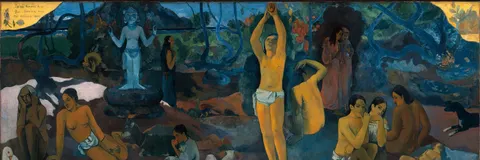

Where Do We Come From? What Are We? Where Are We Going?
Paul Gauguin, 1897–1898
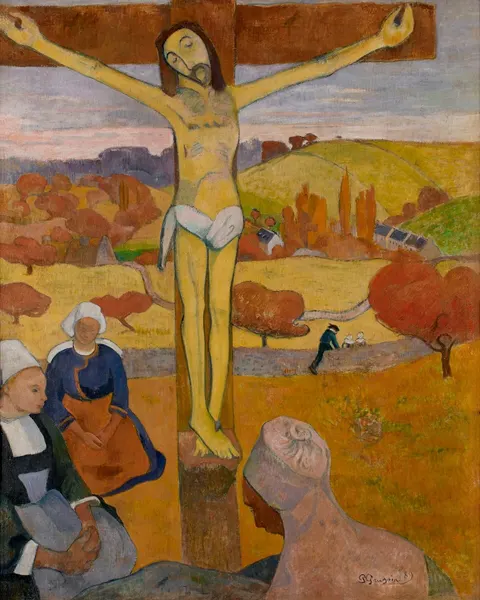

The Yellow Christ
Paul Gauguin, 1889
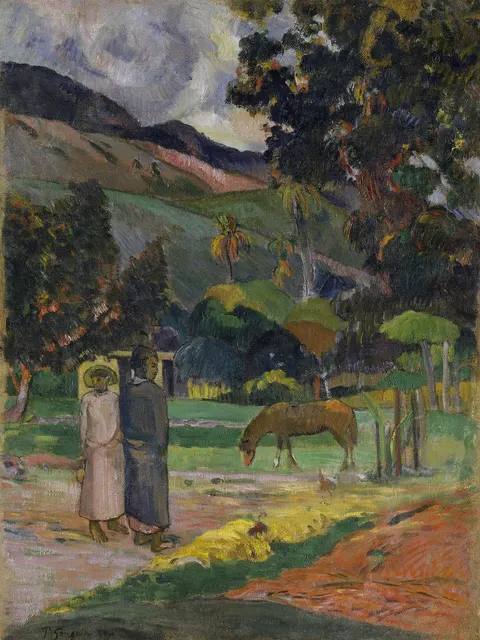

Tahitian Landscape
Paul Gauguin, 1892
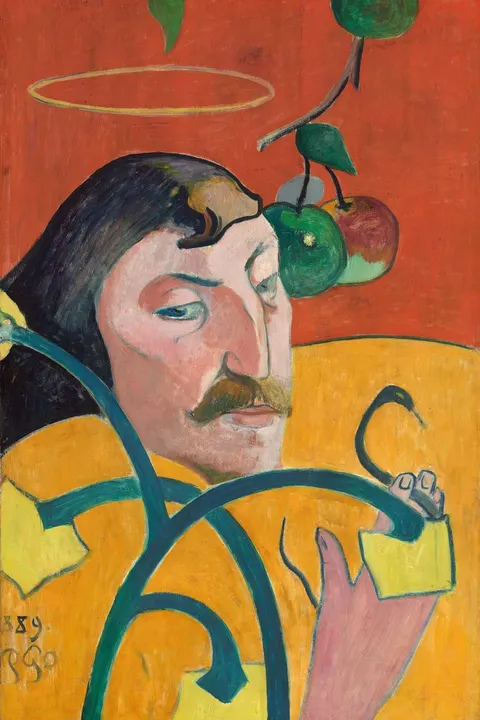

Self-Portrait
Paul Gauguin, 1889
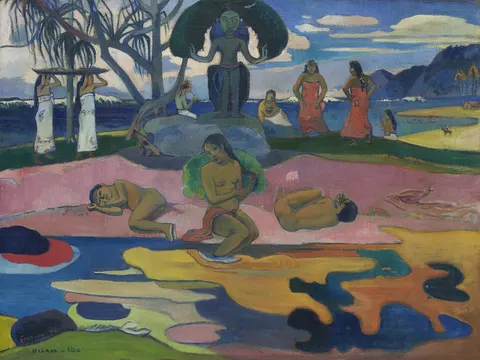

Day of the God (Mahana no Atua)
Paul Gauguin, 1894
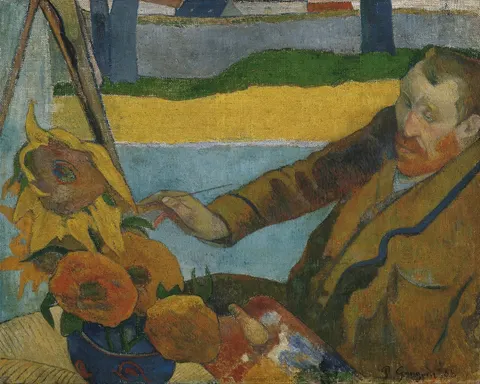

The Painter of Sunflowers
Paul Gauguin, 1888
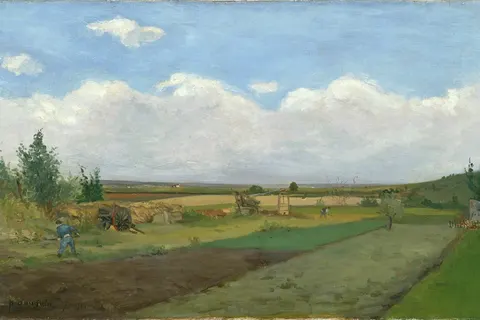

Landscape
Paul Gauguin, 1873
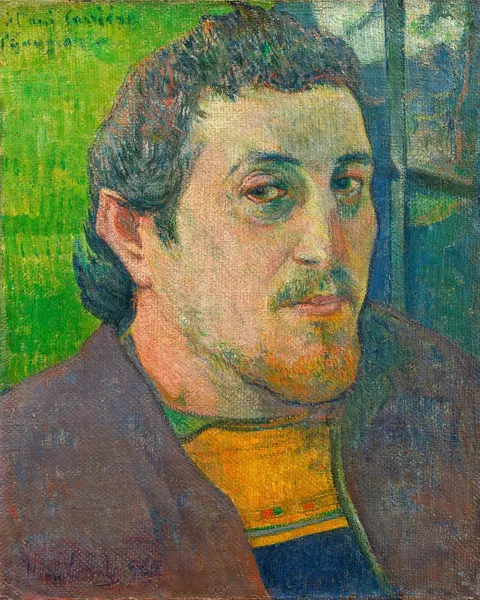

Self-Portrait Dedicated to Carriere
Paul Gauguin, 1778
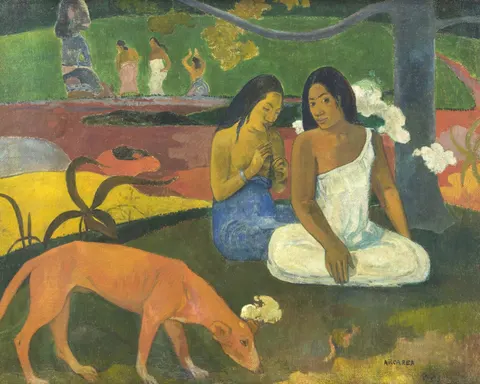

Arearea
Paul Gauguin, 1892
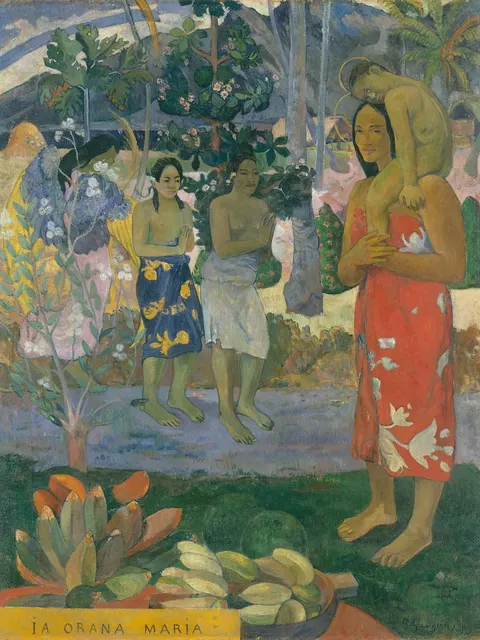

Ia Orana Maria
Paul Gauguin, 1891
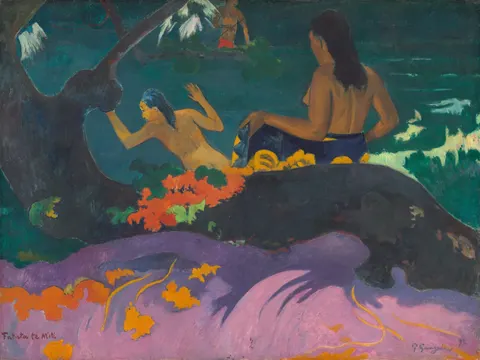

Fatata te Miti (By the Sea)
Paul Gauguin, 1892
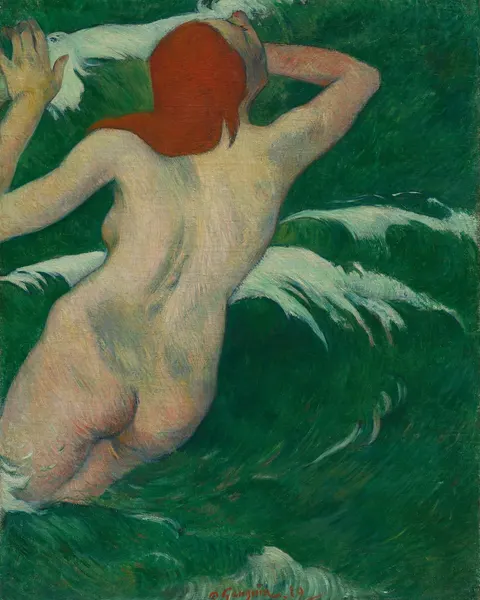

In the Waves (Dans les Vagues)
Paul Gauguin, 1889
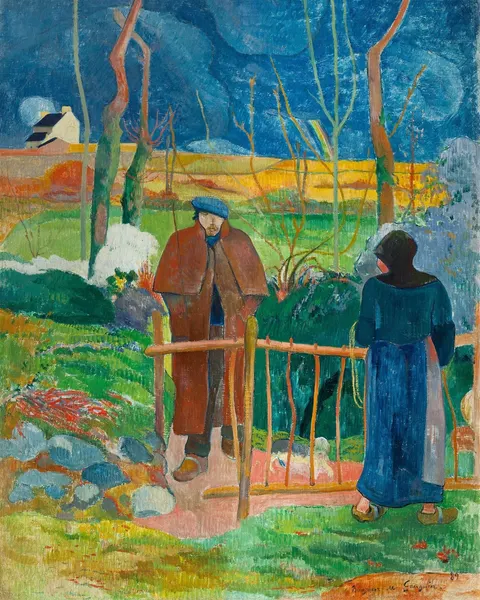

Bonjour Monsieur Gauguin
Paul Gauguin, 1889
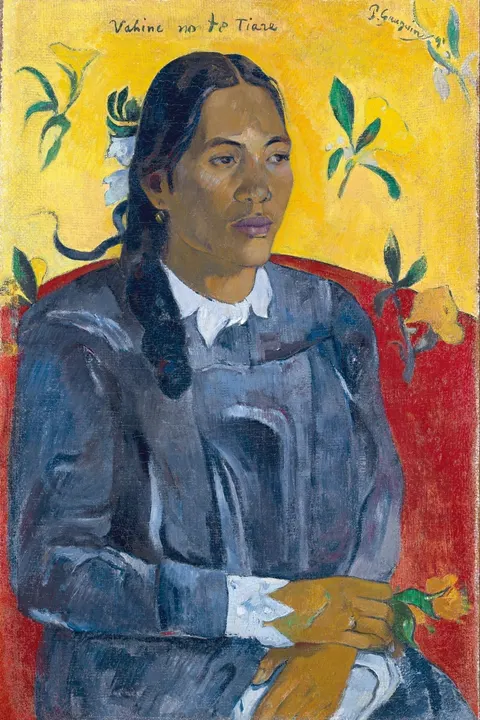

Tahitian Woman with a Flower
Paul Gauguin, 1891
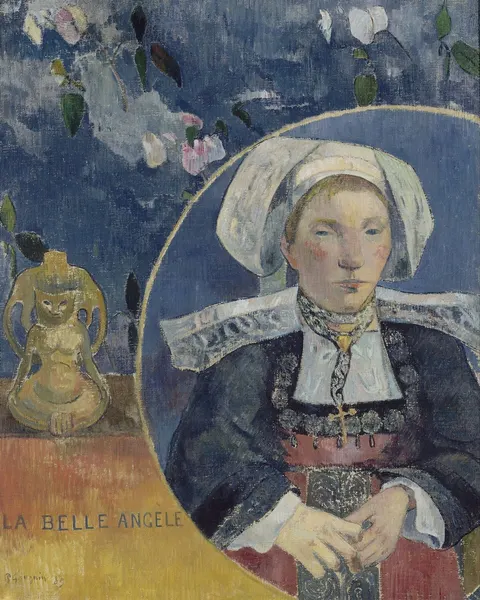

La belle Angèle
Paul Gauguin, 1889
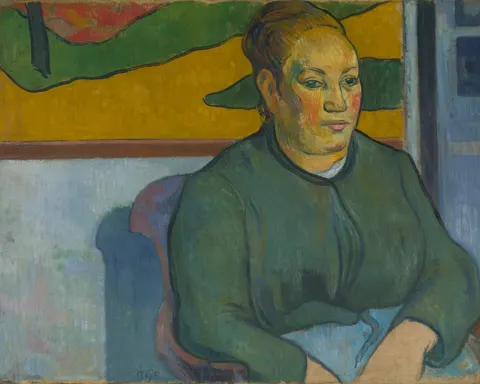

Madame Roulin
Paul Gauguin, 1888
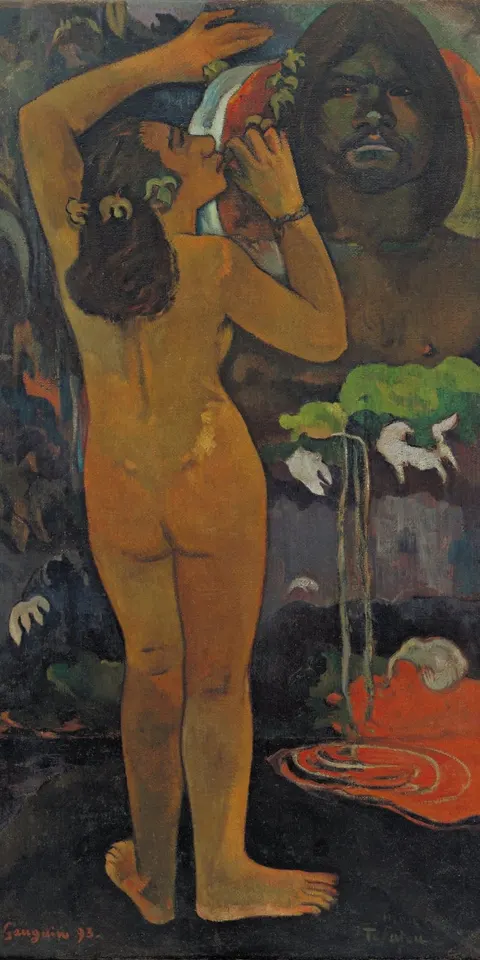

The Moon and the Earth
Paul Gauguin, 1893
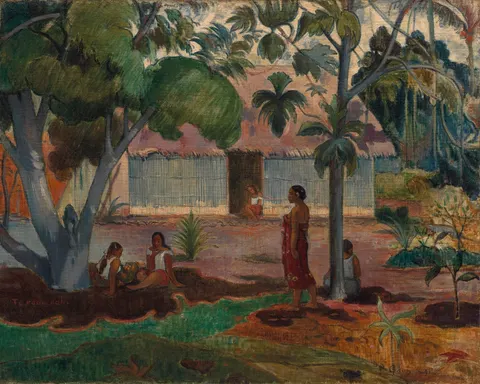

The Large Tree
Paul Gauguin, 1891
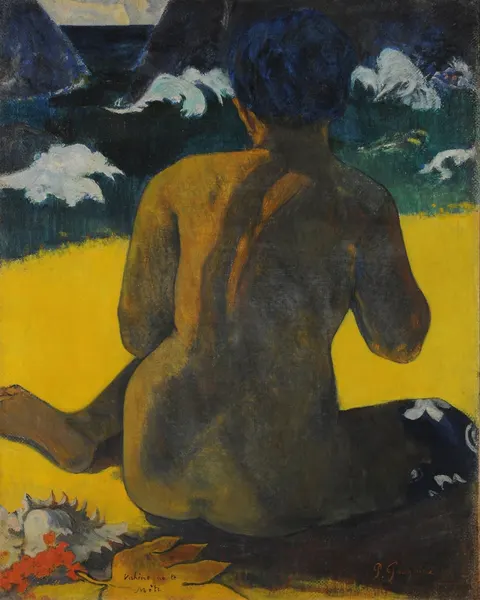

Woman at the beach
Paul Gauguin, 1892
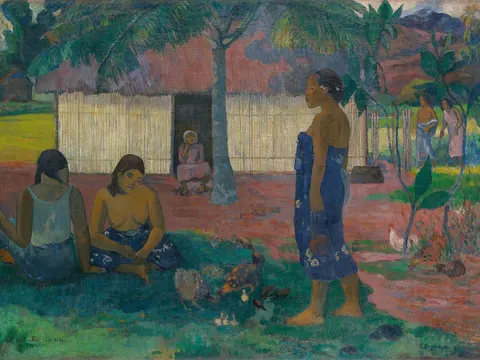

Why Are You Angry? (No Te Aha Oe Riri)
Paul Gauguin, 1896
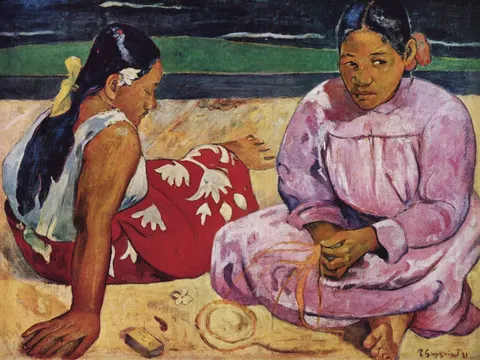

Tahitian Women on the Beach
Paul Gauguin, 1890
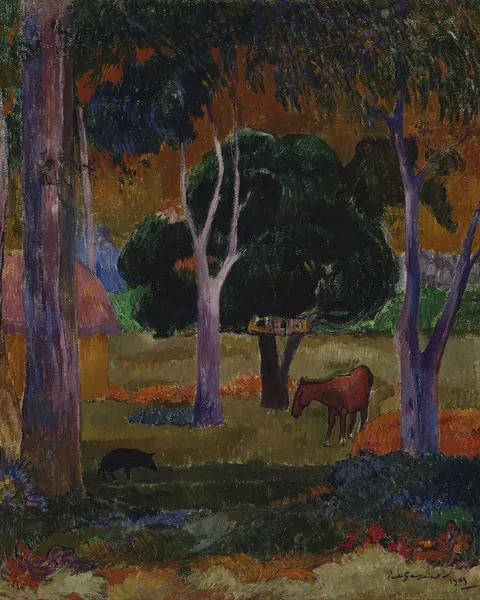

Hiva Oa
Paul Gauguin, 1903
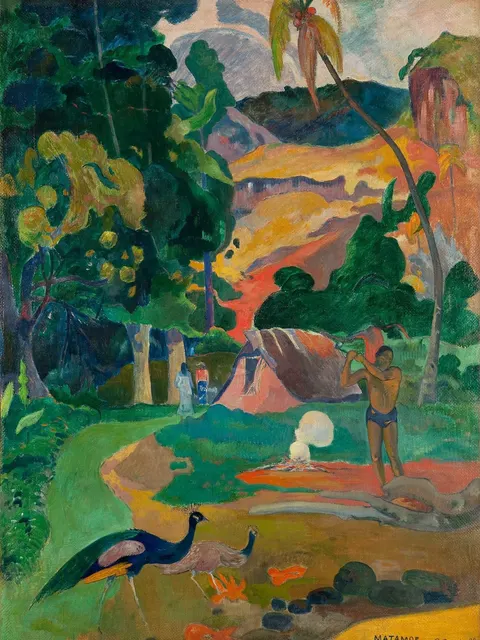

Matamoe (Death), Landscape with Peacocks
Paul Gauguin, 1892
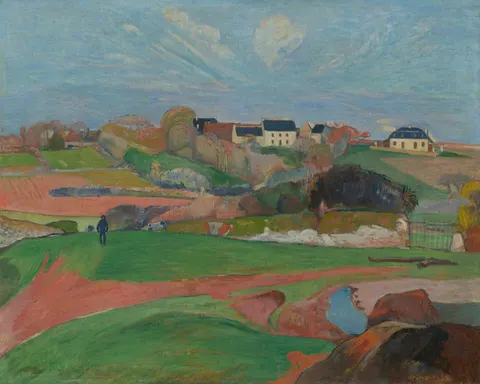

Landscape at Le Pouldu
Paul Gauguin, 1890
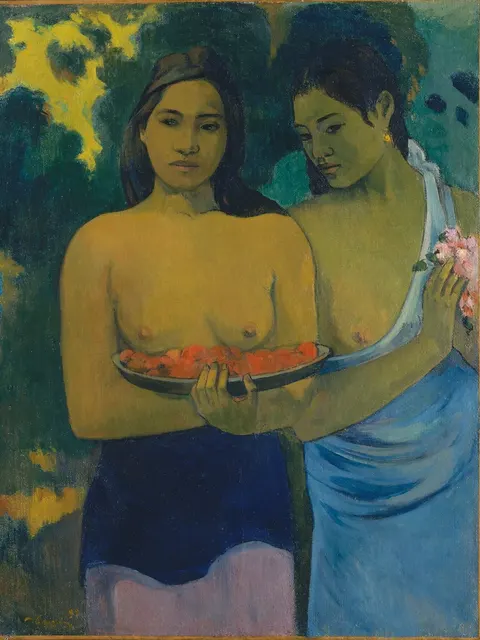

Two Tahitian Women
Paul Gauguin, 1899
About Paul Gauguin
Born 1848
1870
1880
1890
Died 1903
He spent his early childhood in Peru, and the memory stayed with him. After years at sea with the merchant marine and the navy, he joined the Paris Bourse in 1871, earning well and buying work by emerging artists. Camille Pissarro became his mentor, and Gauguin painted in his garden on Sundays; when the market crashed in 1882 Gauguin chose painting full time.
In Brittany he broke with Impressionism. The Yellow Christ, painted at Pont-Aven in 1889, sets the crucifixion in the Breton countryside with local women praying at its foot. Look at how little shading there is: heavy lines hold the figures, and the yellow, red and green of the autumn fields pick up the yellow of Christ's body. In late 1888 he spent nine weeks painting with Vincent van Gogh in Arles, and his portrait of Vincent at work on the sunflowers dates from that stay. Edgar Degas, the contemporary he admired most, bought his work and never wavered in public support.
He sailed for Tahiti in 1891 to escape “everything that is artificial and conventional”, yet packed photographs and prints to work from, and found the capital, Papeete, already heavily European. In Ia Orana Maria (1891), he recast the Madonna and Child as a Tahitian mother and son, greeted by two women under an angel with yellow wings. Many of his Tahitian titles were garbled enough that Tahitian speakers struggled to read them.
His life there is now hard to separate from the pictures: he took a 13-year-old girl as a “wife”, and critics today debate his work as colonial fantasy. Ill and in debt, he finished Where Do We Come From? What Are We? Where Are We Going? in 1897 and called it his final testament. He died on Hiva Oa in the Marquesas in 1903.
Paul Gauguin is part of our Post-Impressionism collection.
Related artists
Questions about Paul Gauguin prints
- What are the Paul Gauguin prints made of?
- Every Paul Gauguin print is printed to order in the USA. Fine art prints use 340gsm cold press fine art paper, 100% cotton rag and acid-free, with archival inks. Canvases use 360gsm archival canvas, stretched over solid wood stretcher bars.
- What size Paul Gauguin print should I choose?
- It depends on the wall. As a rule of thumb, aim for artwork roughly two-thirds the width of the furniture it hangs above — check each artwork's page for a size guide against the original dimensions.
- Canvas, framed, or fine art print?
- Canvas and framed canvas suit statement walls and gift-giving, and arrive ready to hang. Fine art prints on cotton rag paper are a lower-cost way to try a piece before committing to a larger format.
- How long does delivery take?
- Every print is made to order and arrives within 8 business days, often sooner. If it arrives damaged or faulty, we replace or refund it within 90 days.