1860s–1920s, United States
American Painting
Late 19th-century American painting pulled in two directions, and the two painters here show both. Winslow Homer painted the sea, the Civil War and rural life with plain-spoken force, while John Singer Sargent became the leading portraitist of his generation on both sides of the Atlantic.
Key works
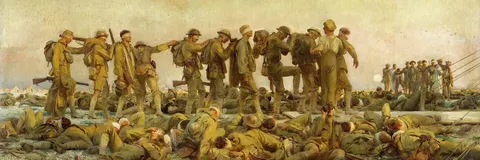

Gassed
John Singer Sargent, 1919
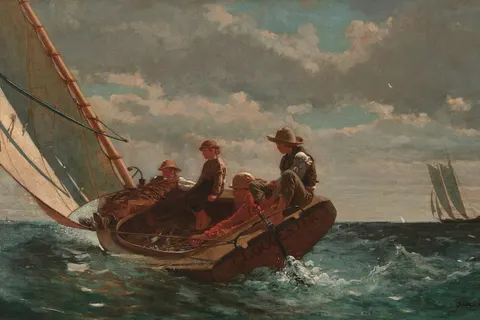

Breezing Up (A Fair Wind)
Winslow Homer, 1873
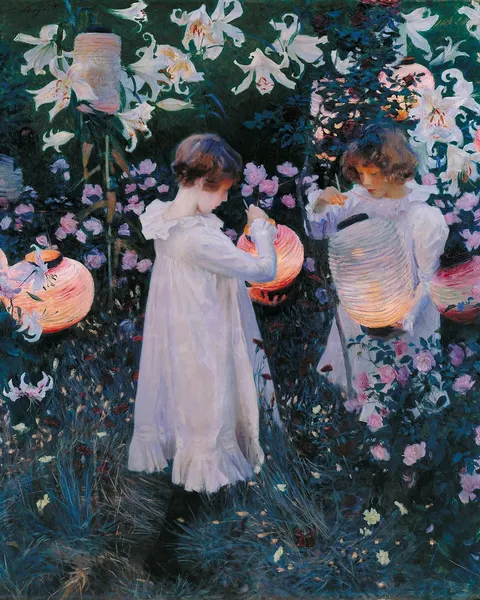

Carnation, Lily, Lily, Rose
John Singer Sargent, 1885–1886
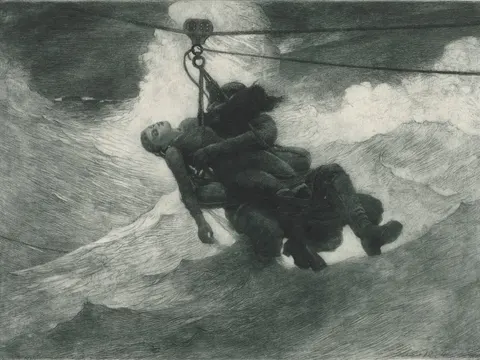

The Life Line
Winslow Homer, 1884
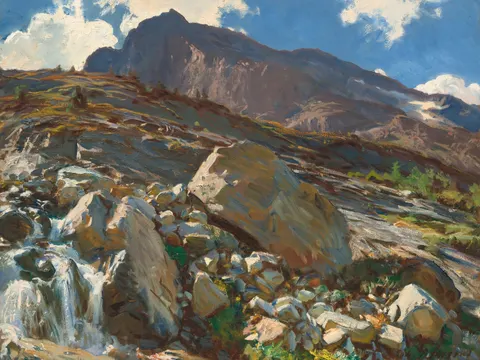

Simplon Pass
John Singer Sargent, 1911
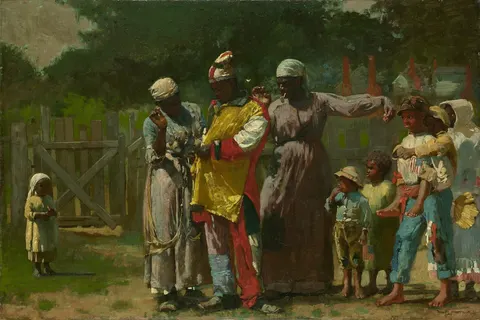

Dressing for the Carnival
Winslow Homer, 1877
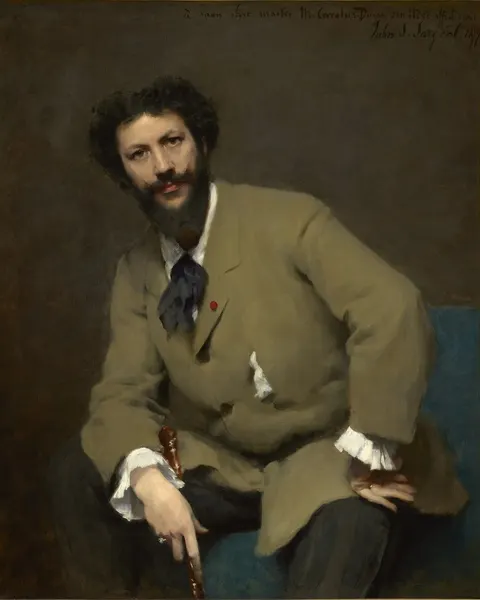

Carolus-Duran
John Singer Sargent, 1879
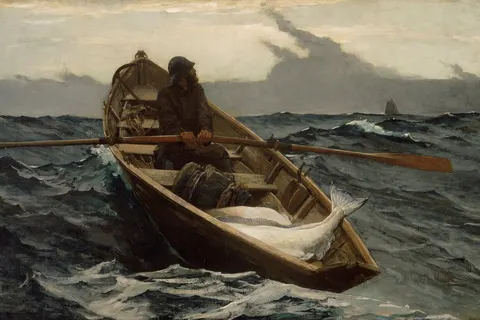

The Fog Warning
Winslow Homer, 1885
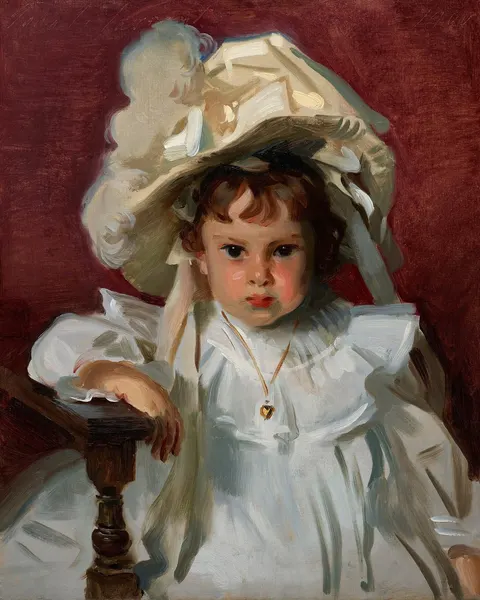

Dorothy
John Singer Sargent, 1900
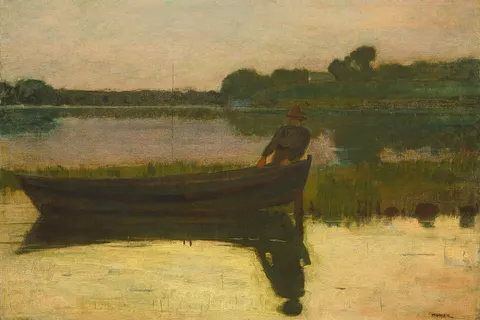

Sunset
Winslow Homer, c. 1875
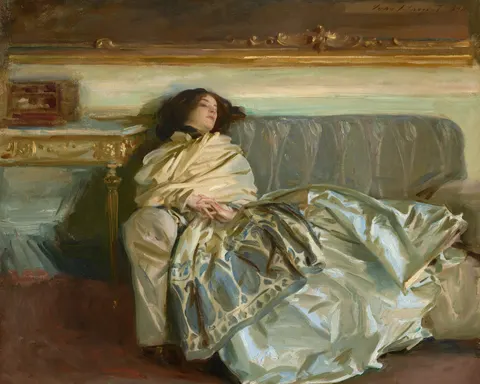

Nonchaloir (Repose)
John Singer Sargent, 1911
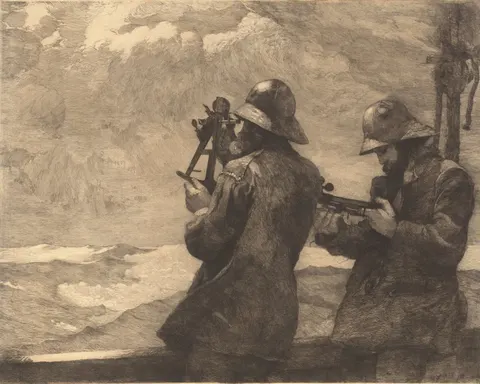

Eight Bells
Winslow Homer, 1887
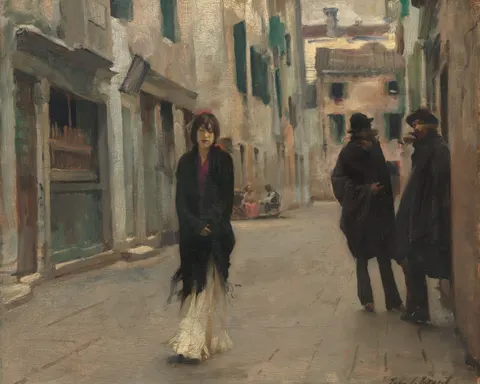

Street in Venice
John Singer Sargent, 1882
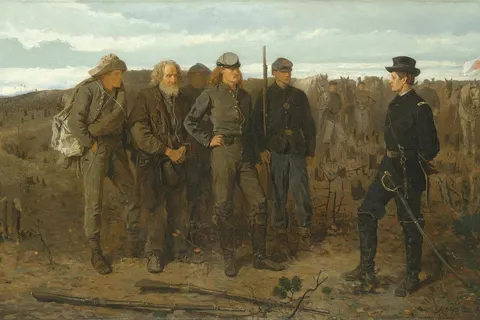

Prisoners from the Front
Winslow Homer, 1866
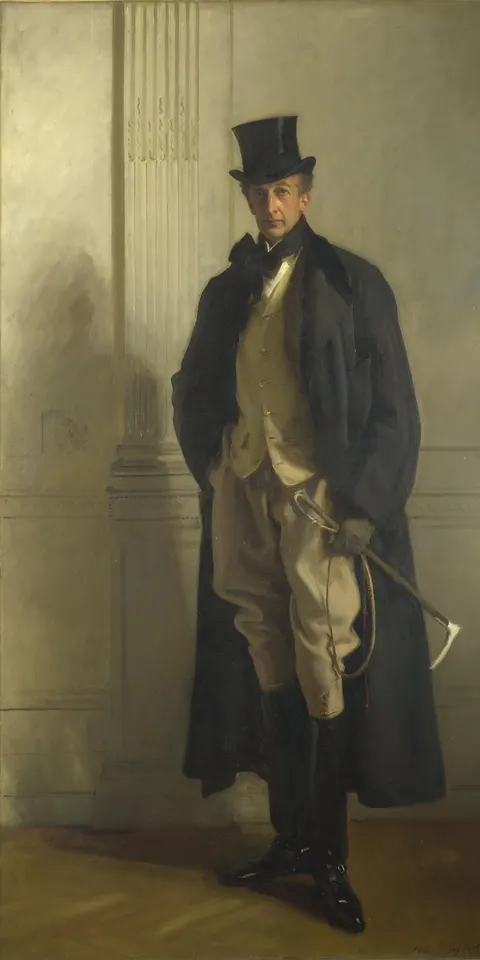

Lord Ribblesdale
John Singer Sargent, 1902
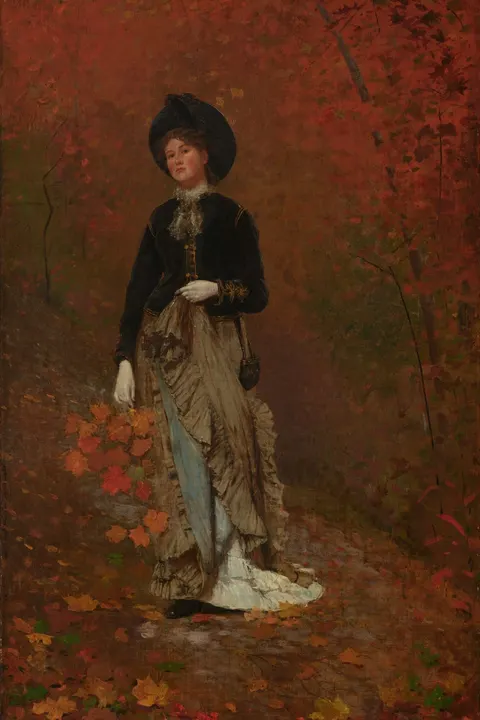

Autumn
Winslow Homer, 1877
1860s–
United States
42 prints by 2 artists in our collection
More about American Painting
Before them, the Hudson River School had made the American landscape itself the subject, painting it between about 1825 and 1870 as a wilderness that reflected God. By the 1870s that style had gone out of favour, as American collectors turned to the French Barbizon painters. French Impressionism reached New York in an 1886 exhibition, and Americans liked the landscapes but were put off by the nudes.
Homer claimed no master at all. He began as a magazine illustrator, and his clean outlines and strong darks carried into the Maine seascapes he painted from 1883, such as The Fog Warning. His Breezing Up, shown at the 1876 Centennial Exposition in Philadelphia, sends a father and three boys out for a spirited sail across Gloucester harbour. Sargent went the other way: trained in Paris, based in London, painting commissioned portraits in the grand manner and, off duty, informal pictures touched by Impressionism. Monet himself said Sargent was not an Impressionist in the French sense.
The two did meet on paper. Both were prolific watercolourists, and Homer's sea pictures, slow to sell, never matched the popularity of Sargent's flattering portraits. The New York realists of the early 1900s, the Ashcan school among them, felt the influence of both.