17th–19th century, Edo-period Japan
Japanese Woodblock Prints
Ukiyo-e, or 'pictures of the floating world,' were mass-produced Japanese woodblock prints depicting landscapes, kabuki actors, and city pleasures. Katsushika Hokusai's Thirty-six Views of Mount Fuji, especially The Great Wave, became the most recognized examples worldwide and helped ignite the Japonisme craze in 1870s Europe.
Key works
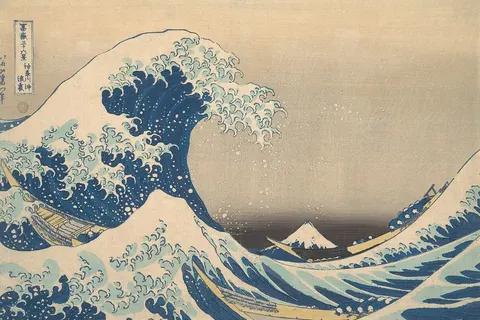

Under the Wave off Kanagawa (The Great Wave)
Katsushika Hokusai, c. 1831
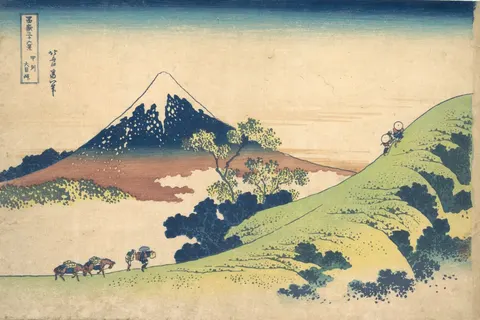

The Inume Pass in Kai Province
Katsushika Hokusai, c. 1831–1832
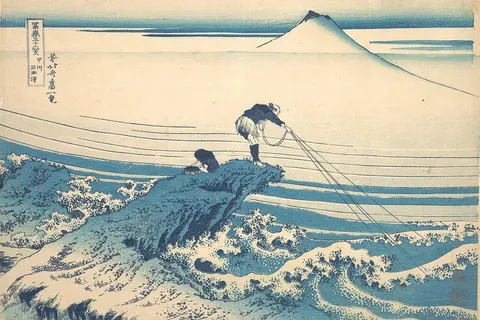

Kajikazawa in Kai Province
Katsushika Hokusai, c. 1830–1832
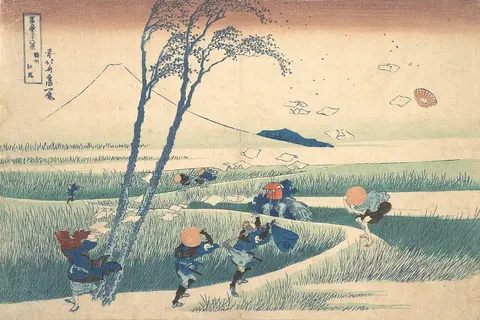

Ejiri in Suruga Province
Katsushika Hokusai, c. 1830–1832
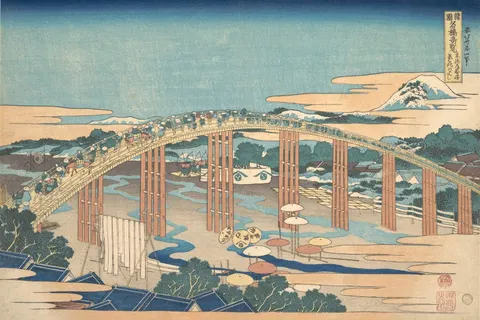

Yahagi Bridge at Okazaki on the Tōkaidō
Katsushika Hokusai, 1827–1830
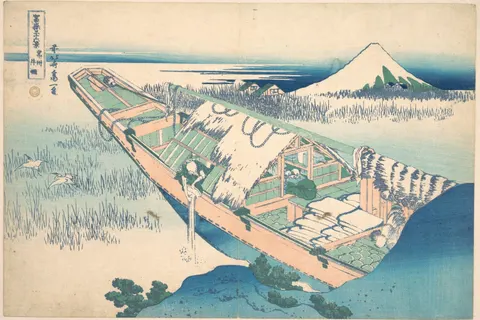

Ushibori in Hitachi Province
Katsushika Hokusai, c. 1830–1832
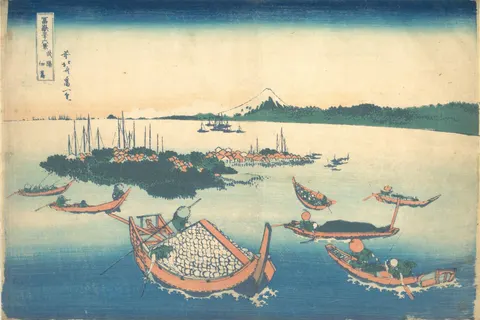

Tsukudajima in Musashi Province
Katsushika Hokusai, c. 1830–1832
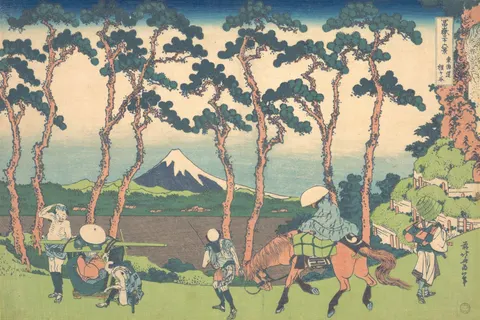

Hodogaya on the Tōkaidō
Katsushika Hokusai, c. 1830–1832
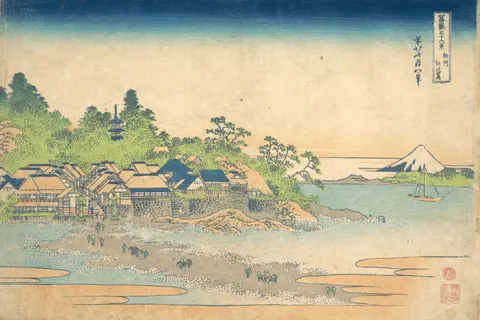

Enoshima in Sagami Province
Katsushika Hokusai, c. 1830–1832
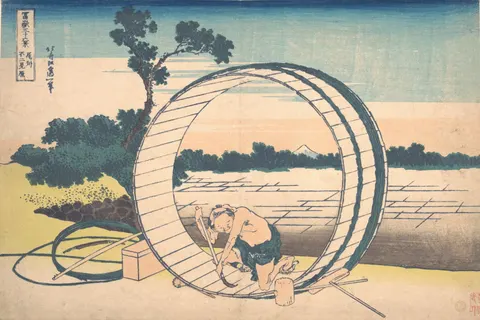

Fujimigahara in Owari Province
Katsushika Hokusai, c. 1830–1832
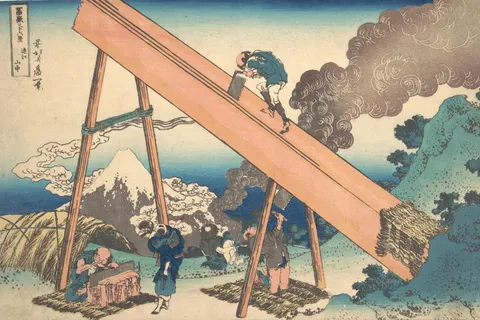

In the Mountains of Tōtomi Province
Katsushika Hokusai, c. 1830–1832
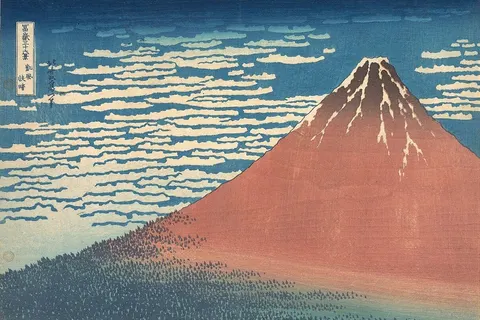

Fine Wind, Clear Morning (Red Fuji)
Katsushika Hokusai, c. 1830–1832
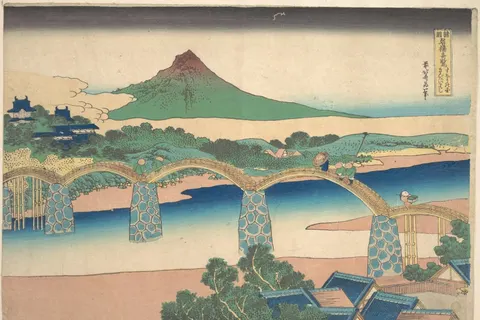

Kintai Bridge in Suō Province
Katsushika Hokusai, 1827–1830
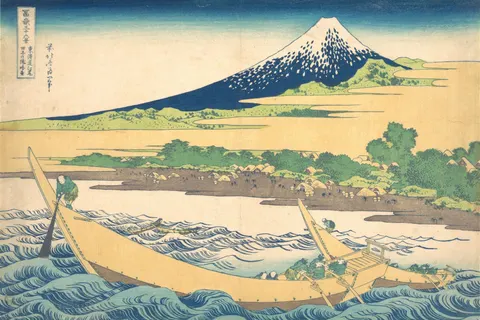

Tago Bay near Ejiri on the Tōkaidō
Katsushika Hokusai, c. 1830–1832
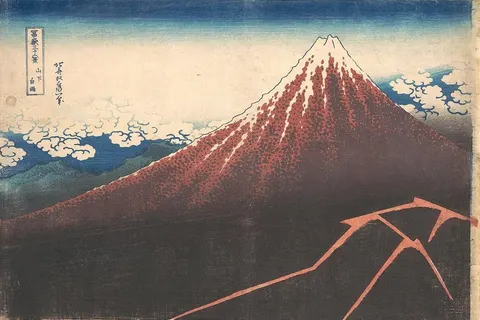

Fuji Above the Lightning (Storm Below Mount Fuji)
Katsushika Hokusai, c. 1830–1832
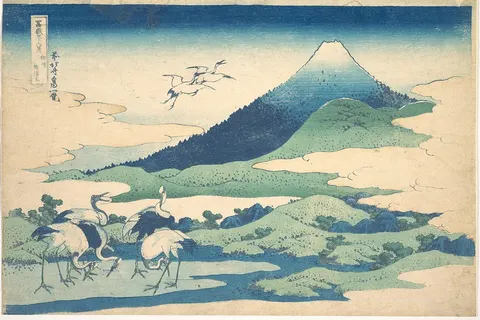

Umezawa in Sagami Province
Katsushika Hokusai, c. 1830–1832
17th–
Edo-period Japan
16 prints by 1 artist in our collection
More about Japanese Woodblock Prints
Ukiyo-e prints were a collaborative, commercial medium: a publisher commissioned a design from an artist, a carver cut separate woodblocks for each color, and a printer ran the paper through by hand — often thousands of impressions from the same blocks. This made prints affordable and widely circulated in Edo (now Tokyo), unlike the one-of-a-kind paintings prized in Europe at the same time.
Hokusai began the Thirty-six Views of Mount Fuji around 1830, in his seventies, after decades working across genres from book illustration to erotica under more than thirty different names. The series was commercially motivated — a fashionable domestic travel and 'meisho' (famous-places) genre — but Hokusai's radical compositions, flattened perspective, and use of the newly imported Prussian blue pigment made it his defining work.
When Japan reopened to trade in the 1850s–60s, ukiyo-e prints reached Europe as packing material for ceramics before becoming sought-after collectibles in their own right. Monet, van Gogh, and Mary Cassatt all owned and studied Japanese prints; their flattened space, cropped compositions, and bold outlines visibly shaped van Gogh's late work and Cassatt's domestic interiors.