1746–1828 · Spanish · Romanticism
Francisco Goya Art Prints
Francisco Goya (1746–1828) began by painting cheerful designs to be woven into wall hangings for the royal palaces, and ended painting nightmares on the walls of his own house. The Spanish painter and printmaker is often called the last of the Old Masters and the first of the moderns.
Shop Francisco Goya
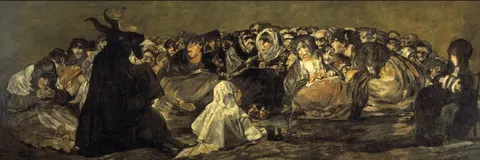

Witches' Sabbath
Francisco Goya, 1820–1823
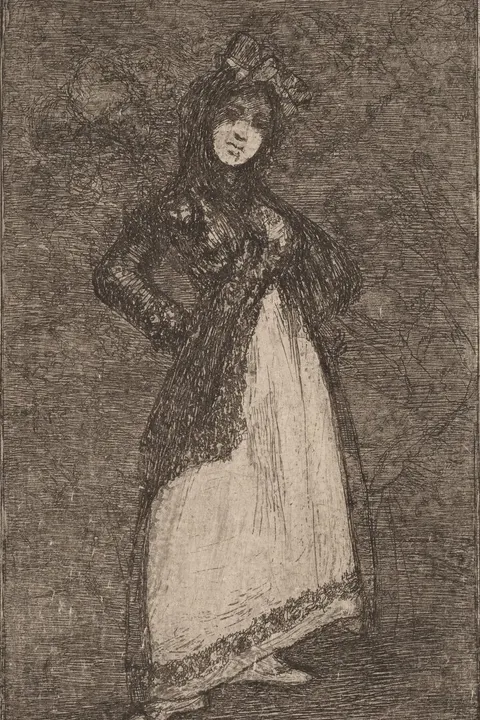

Maja
Francisco Goya, 1824–1828
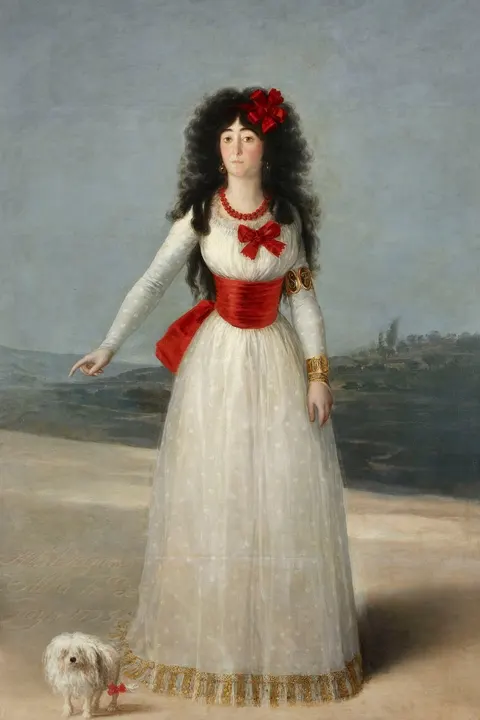

Portrait of the Duchess of Alba
Francisco Goya, 1795
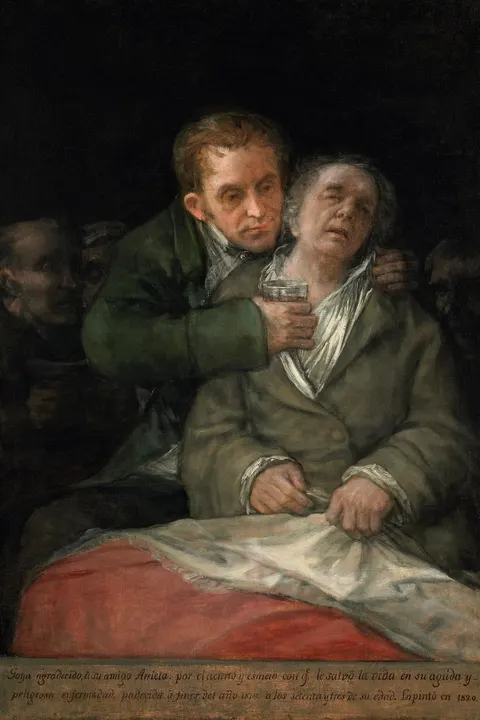

Self-portrait with Dr Arrieta
Francisco Goya, 1820
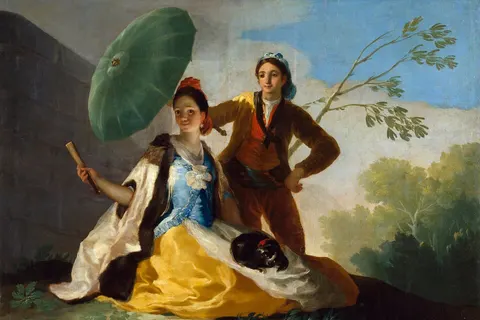

The Parasol
Francisco Goya, 1777
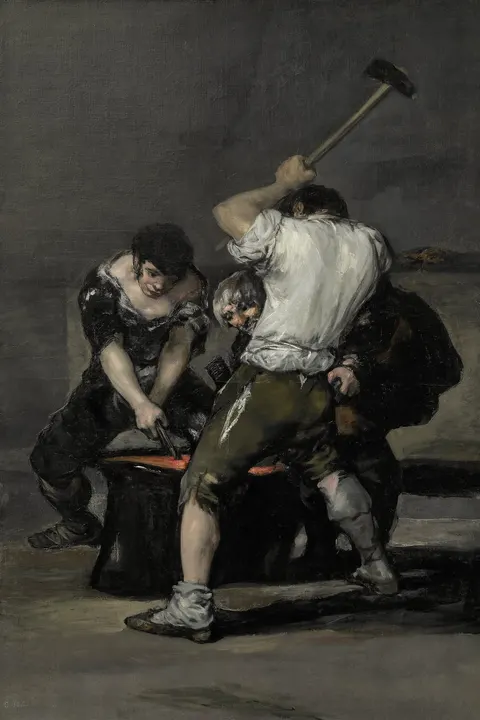

The Forge
Francisco Goya, 1819
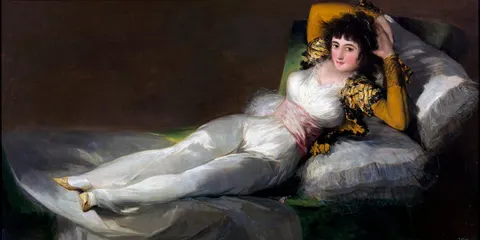

The Clothed Maja
Francisco Goya, 1800–1807
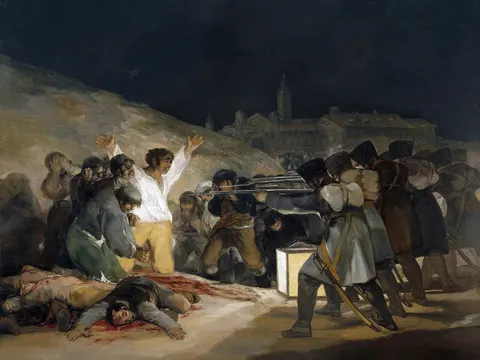

The Third of May 1808
Francisco Goya, 1814
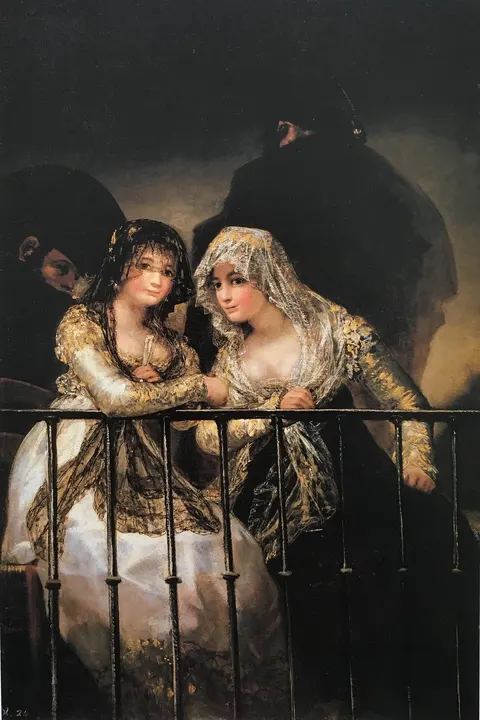

Majas on the Balcony
Francisco Goya,
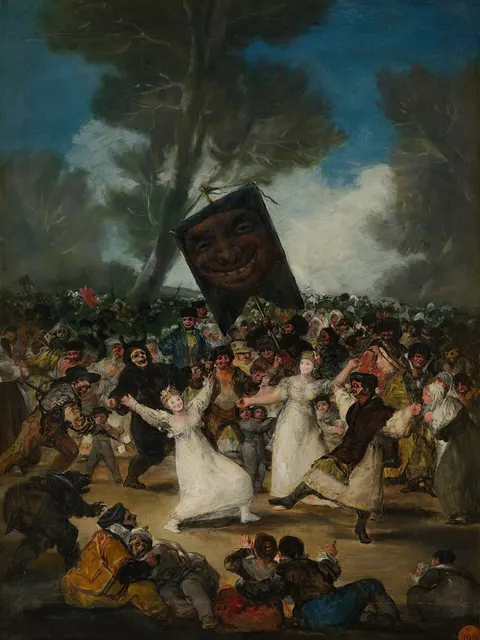

The Burial of the Sardine
Francisco Goya,
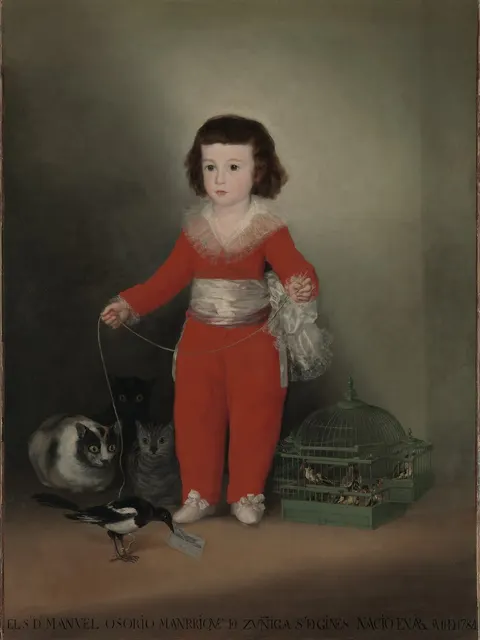

Don Manuel Osorio de Zuniga
Francisco Goya, 1787
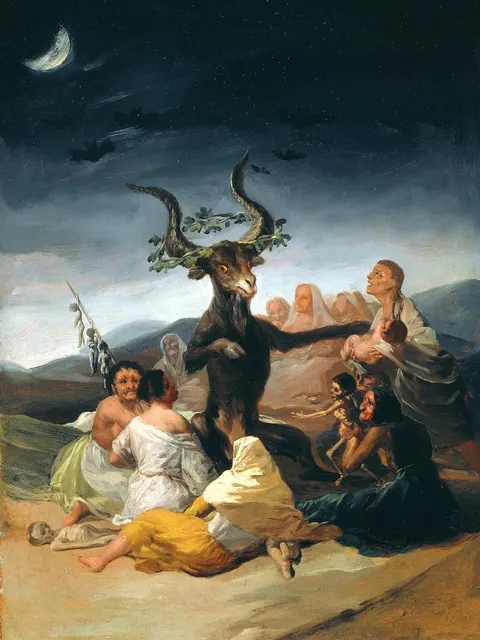

Witches' Sabbath
Francisco Goya, 1798
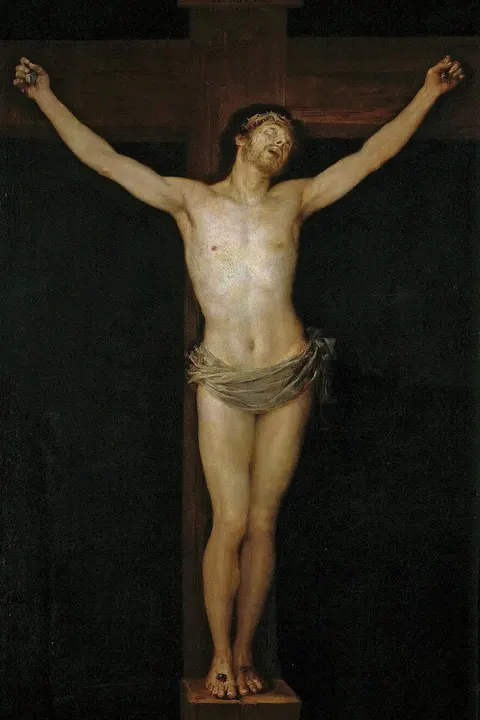

Christ Crucified
Francisco Goya, 1780
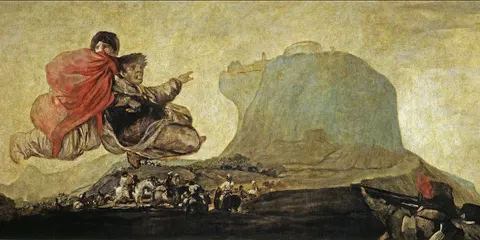

Asmodea
Francisco Goya, 1820–1823
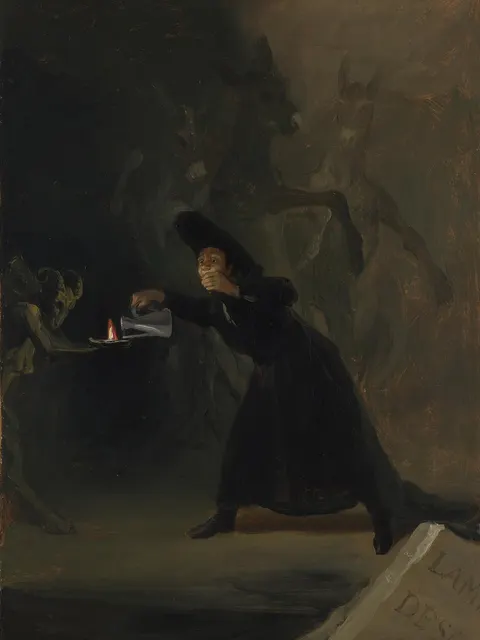

The Bewitched Man
Francisco Goya, 1798
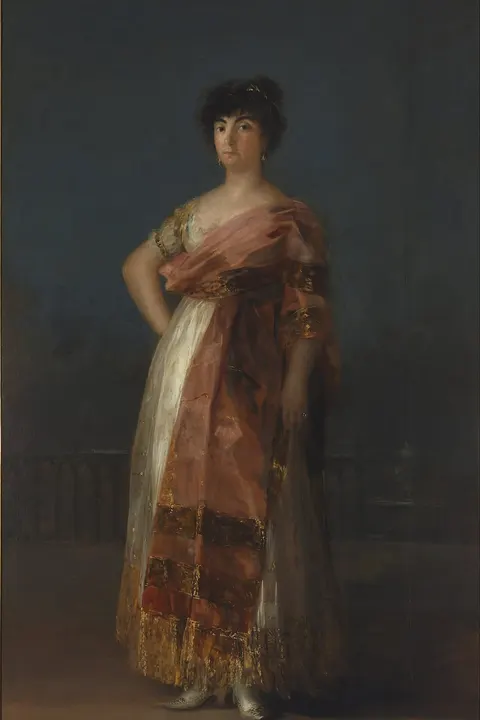

La Tirana
Francisco Goya, 1799
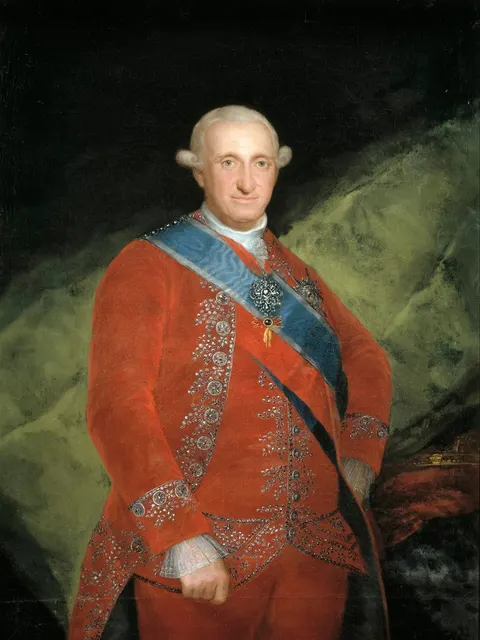

Charles IV in Red
Francisco Goya, c. 1789
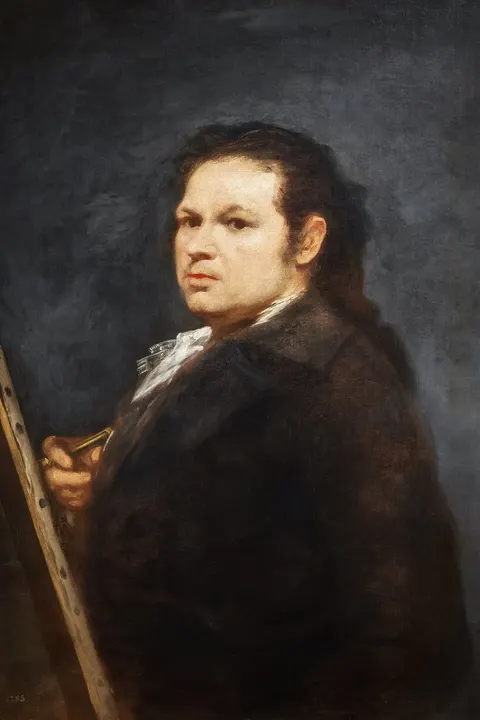

Self-portrait
Francisco Goya, 1783
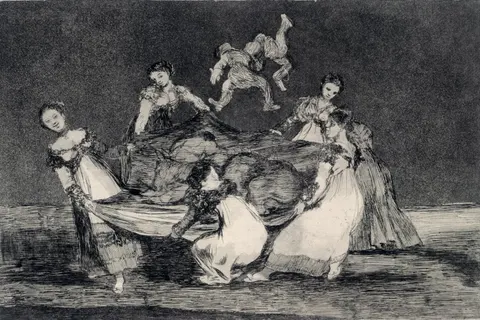

Disparate femenino (Feminine Folly)
Francisco Goya, in or after 1816
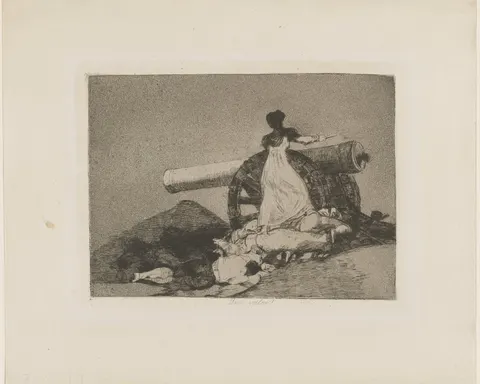

Que valor! (What Courage!)
Francisco Goya, published 1863
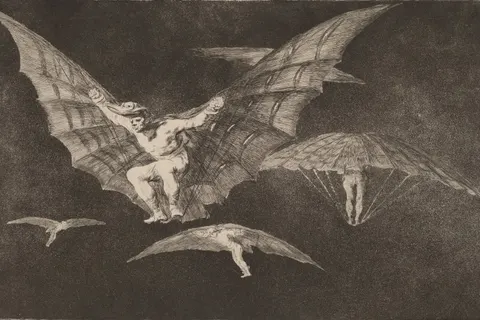

Modo de volar (A Way of Flying)
Francisco Goya, in or after 1816
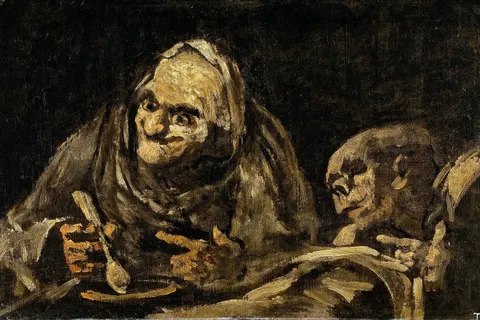

Two Old Men Eating Soup
Francisco Goya, 1820–1823
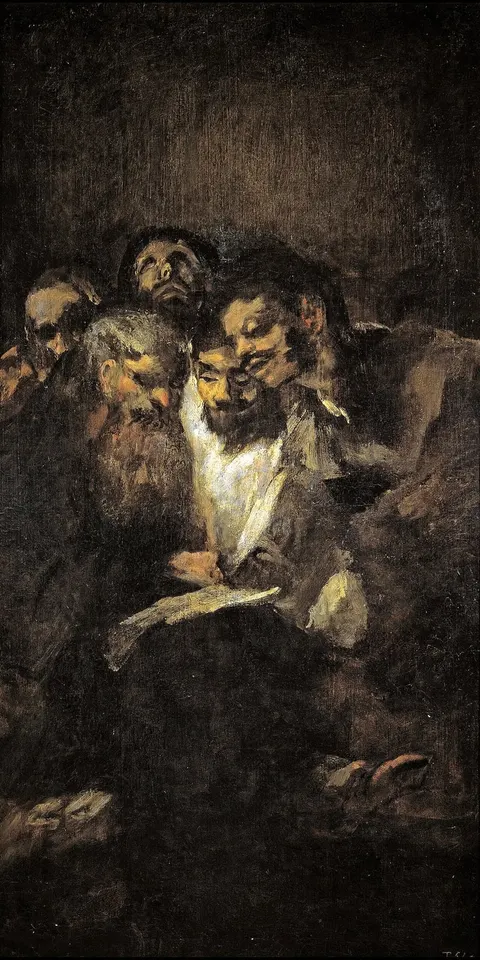

Men Reading
Francisco Goya, 1820–1823
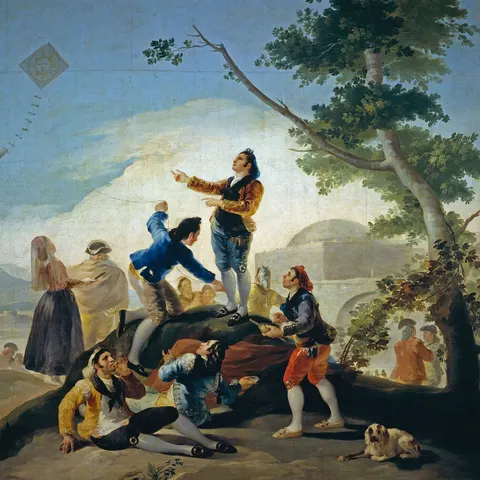

The Kite
Francisco Goya, 1777–1778
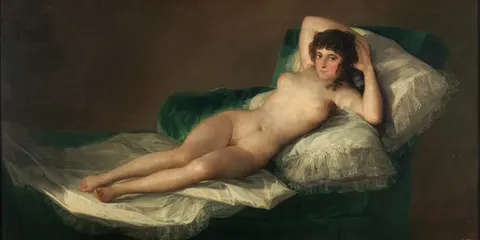

La maja desnuda
Francisco Goya, 1795–1800
About Francisco Goya
Born 1746
1780
1800
Died 1828
Born in Fuendetodos in Aragon, the son of a gilder, he failed twice to get into Madrid's Royal Academy and paid his own way to Rome instead. Back in Spain he spent five years on some 42 of these full-size designs, known as cartoons. The Parasol is one of them, painted when the future queen asked for cheerful scenes for her dining room: a young woman in French dress rests on the ground with a fan in her hand.
Court painter from 1786, he painted the Spanish aristocracy without much flattery. His gentler side shows in the Met's "Red Boy", a small son of the Count of Altamira in red clothes among his pet birds and cats. His Duchess of Alba (1795) is built mostly from red and white. La maja desnuda, a life-size nude with no mythological excuse, was never shown in public in his lifetime and was seized by the Inquisition as obscene.
An undiagnosed illness around 1793 left him deaf, and his work turned inward and darker. During the French occupation he stayed in Madrid, and in 1814 painted The Third of May 1808, commissioned at his own suggestion to mark Spanish resistance to Napoleon's armies. In The Forge, look for the blazing red of hot metal against a room of greys, blues and black.
At about 75, living almost alone outside Madrid, he painted the fourteen Black Paintings, including Witches' Sabbath, where Satan looms as a goat over a coven of terrified old women. One caution: they were later peeled from the plaster onto canvas and much altered, with extensive loss of paint. In the same years he painted Self-Portrait with Dr Arrieta (1820), a thank-you to the doctor who nursed him through a dangerous illness: Goya clutches his red bed-sheet while Arrieta holds a glass to his lips. He left Spain for Bordeaux in 1824 and died there in 1828.
Francisco Goya is part of our Romanticism collection.
Related artists
Questions about Francisco Goya prints
- What are the Francisco Goya prints made of?
- Every Francisco Goya print is printed to order in the USA. Fine art prints use 340gsm cold press fine art paper, 100% cotton rag and acid-free, with archival inks. Canvases use 360gsm archival canvas, stretched over solid wood stretcher bars.
- What size Francisco Goya print should I choose?
- It depends on the wall. As a rule of thumb, aim for artwork roughly two-thirds the width of the furniture it hangs above — check each artwork's page for a size guide against the original dimensions.
- Canvas, framed, or fine art print?
- Canvas and framed canvas suit statement walls and gift-giving, and arrive ready to hang. Fine art prints on cotton rag paper are a lower-cost way to try a piece before committing to a larger format.
- How long does delivery take?
- Every print is made to order and arrives within 8 business days, often sooner. If it arrives damaged or faulty, we replace or refund it within 90 days.