1850s–1900s, France
Academic Art
Academic painting followed the training of the French Académie des Beaux-Arts: drawing first, a smooth, polished finish, and subjects from myth, religion and idealised everyday life. William-Adolphe Bouguereau was one of its leading figures in Paris.
Key works
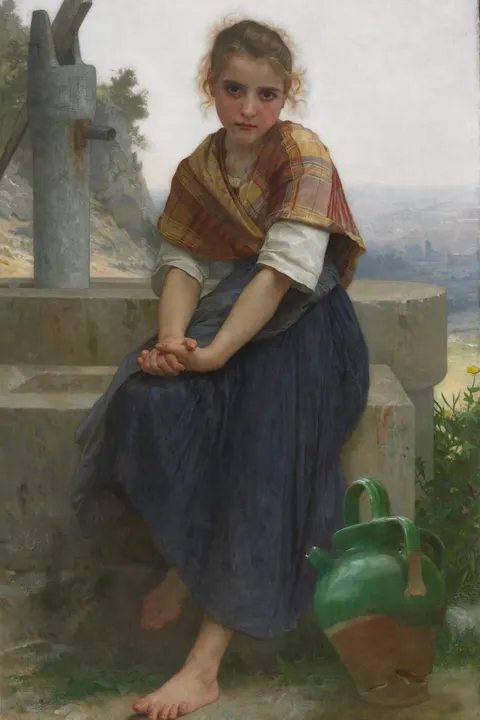

The Broken Pitcher
William-Adolphe Bouguereau, 1891
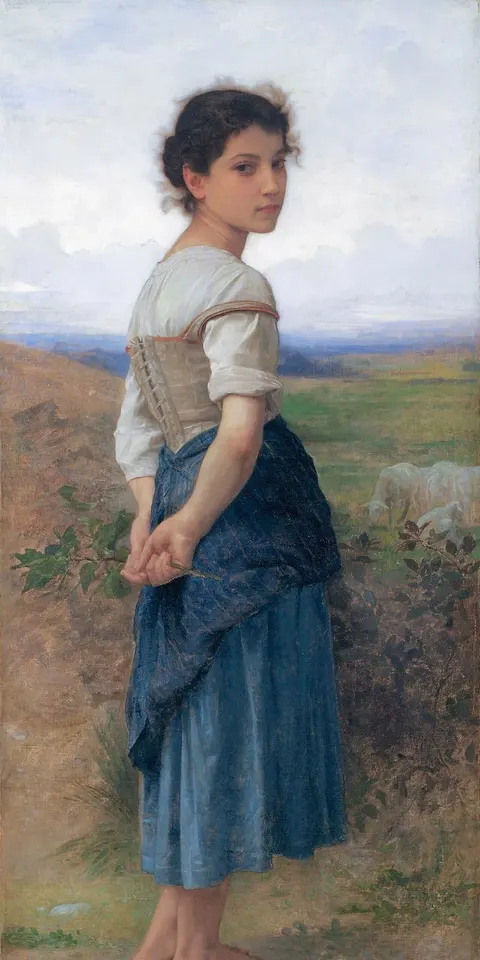

The Young Shepherdess
William-Adolphe Bouguereau, 1885
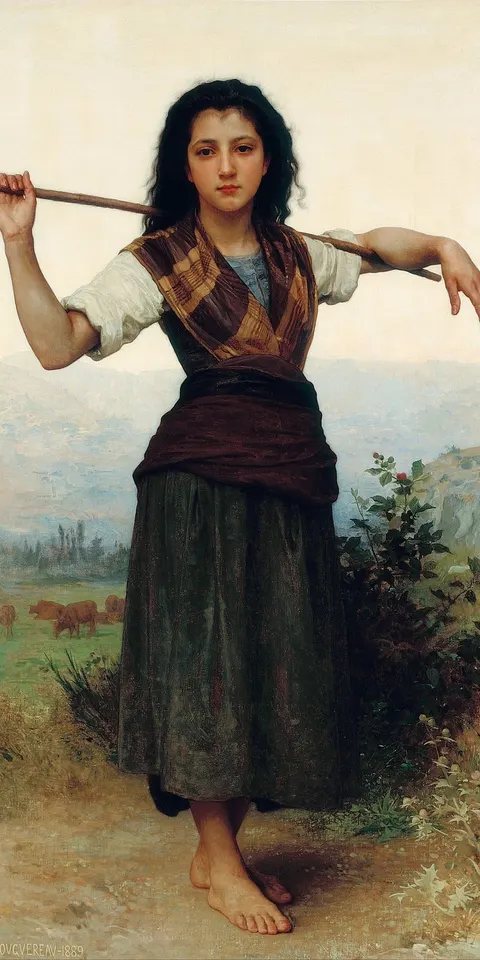

The Shepherdess
William-Adolphe Bouguereau, 1889
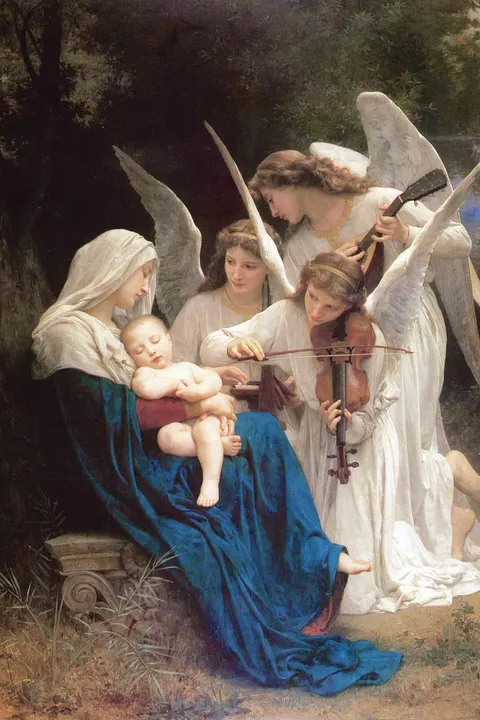

Virgin with Angels
William-Adolphe Bouguereau, 1881
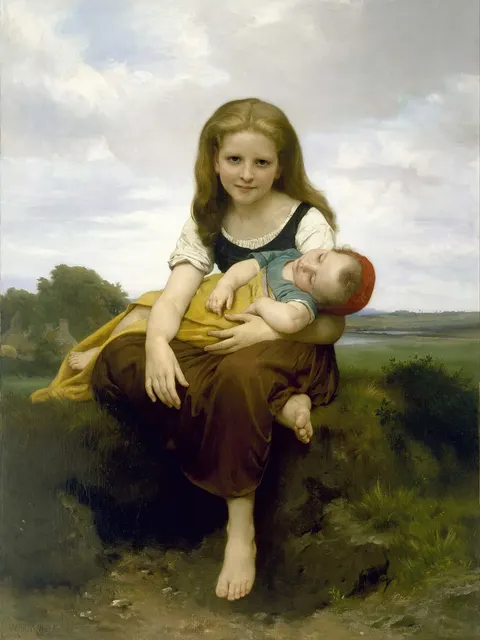

The Elder Sister
William-Adolphe Bouguereau, 1869
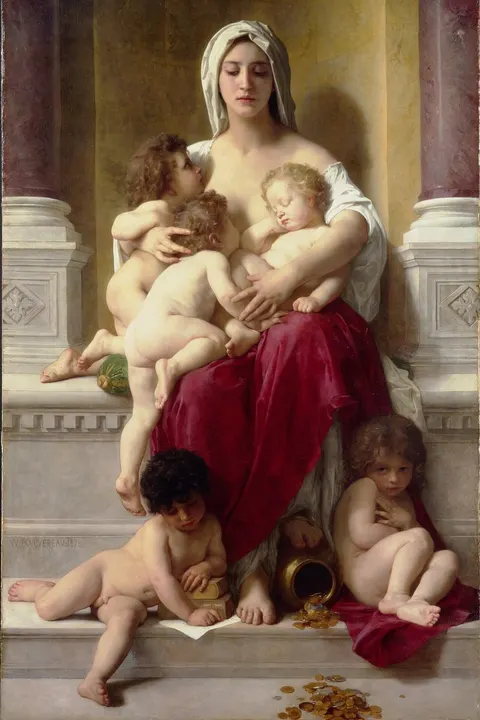

Charity
William-Adolphe Bouguereau, 1878
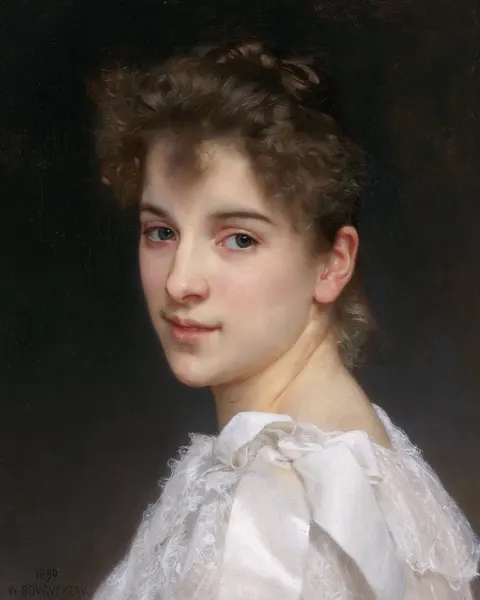

Gabrielle Cot
William-Adolphe Bouguereau, 1890
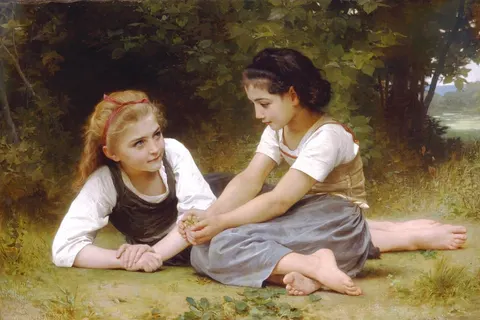

The Nut Gatherers
William-Adolphe Bouguereau, 1882
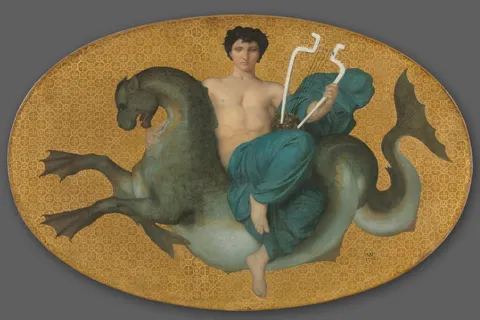

Arion on a Sea Horse
William-Adolphe Bouguereau, 1855
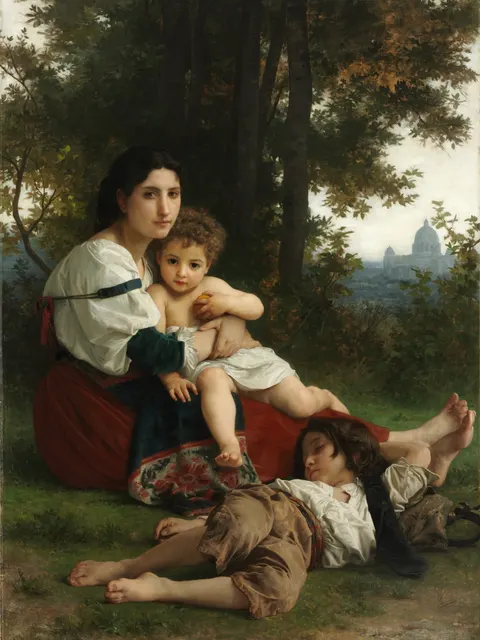

Rest
William-Adolphe Bouguereau, 1879
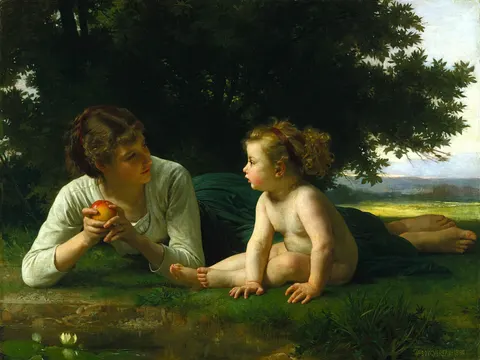

Temptation
William-Adolphe Bouguereau, 1880
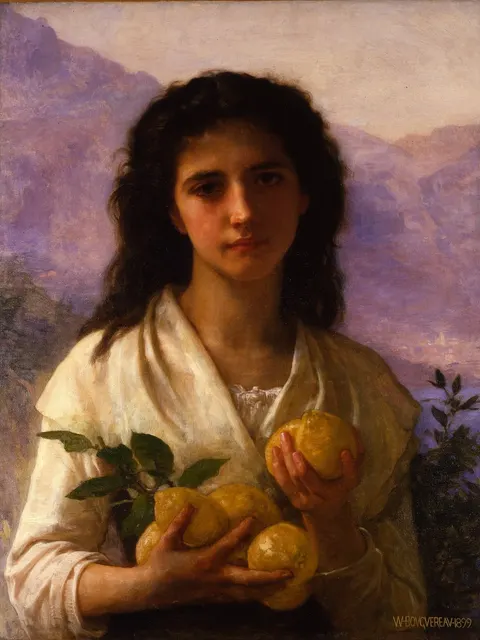

Girl Holding Lemons
William-Adolphe Bouguereau, 1899
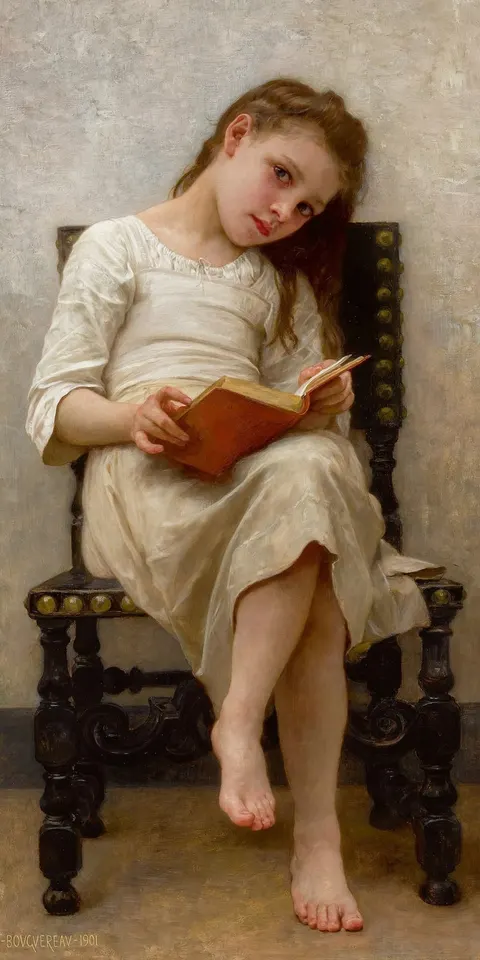

The price book
William-Adolphe Bouguereau, 1901
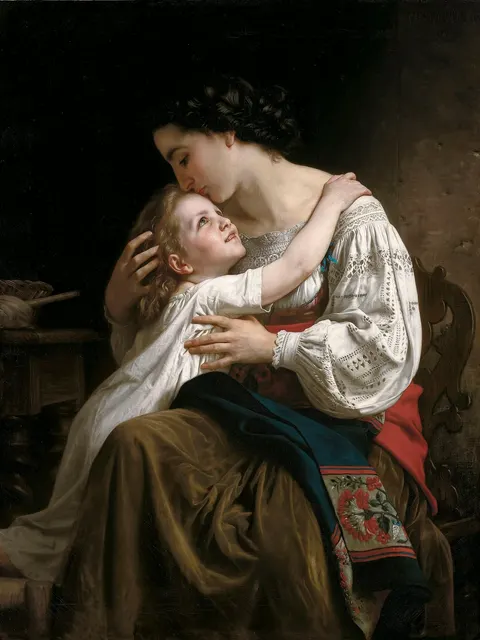

Le lever
William-Adolphe Bouguereau, 1865
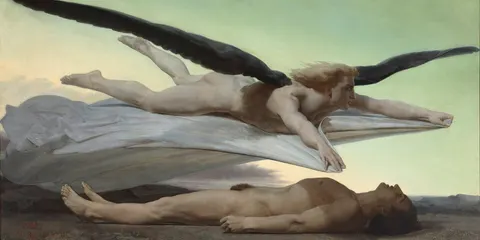

Equality Before Death
William-Adolphe Bouguereau, 1848
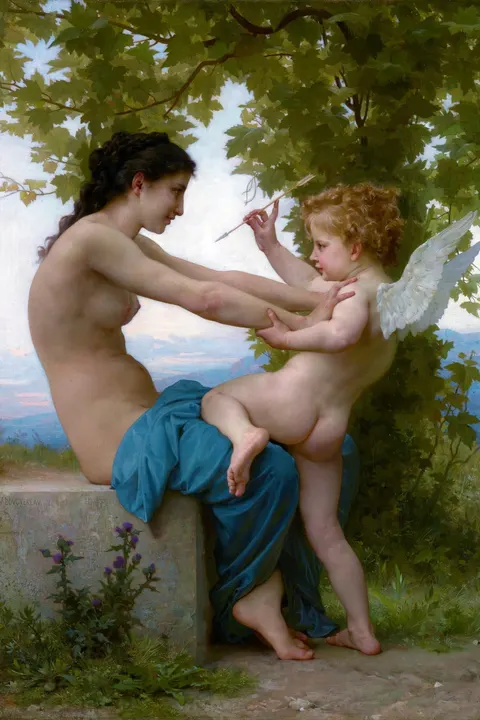

A Young Girl Defending Herself against Eros
William-Adolphe Bouguereau, c. 1880
1850s–
France
24 prints by 1 artist in our collection
More about Academic Art
Training was a ladder. Students copied prints of classical sculpture, then drew from plaster casts, and only then were allowed to draw a live model; painting itself was not taught at the École des Beaux-Arts until after 1863. The top prize, the Prix de Rome, sent its winner to study at the Villa Medici, and in the final round ten finalists were shut in studios for 72 days.
Subjects had a pecking order too. History painting, meaning scenes from myth, religion, literature and the classical past, ranked highest, with portraits, everyday scenes, landscapes and still lifes below it. As middle-class buyers gained influence through the century, those humbler genres multiplied.
The Paris Salon was where it all met the public. As many as 500,000 people might see a show, with thousands of paintings hung from just below eye level to the ceiling; artists lobbied for a place “on the line” at eye level and complained if they were “skyed”.
Academic taste ruled the Salon juries for much of the 19th century, while Realists and Impressionists attacked the “false surface” of their slick, idealised finish. Bouguereau's peasant girls and religious scenes sold to collectors in Europe and America. Look for the old symbols he kept: in The Broken Pitcher, the cracked jug beside the girl stands for lost innocence. Since the Musée d'Orsay opened in 1986, showing this work on more equal terms with the Impressionists, academic art has had a second hearing.