1863–1944 · Norwegian · Symbolism and Expressionism
Edvard Munch Art Prints
Edvard Munch kept returning to the same pictures; Vampire alone exists in six versions painted between 1893 and 1895. The Norwegian painter (1863–1944) made The Scream four times, in paint and in pastel. He hated to sell his pictures because he saw them as one body of work: a cycle about life, love and death he called The Frieze of Life.
Shop Edvard Munch
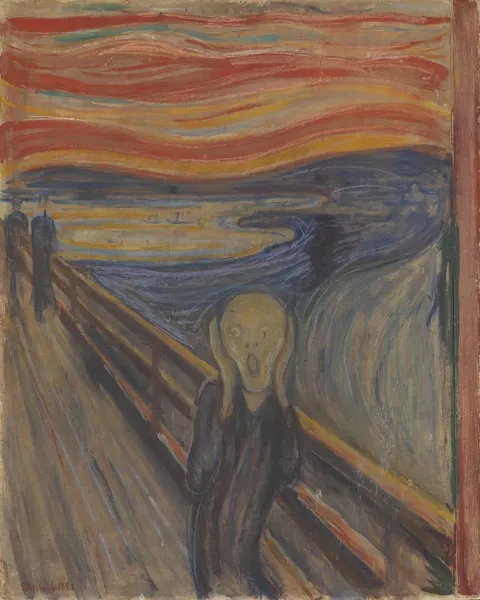

The Scream
Edvard Munch, 1893
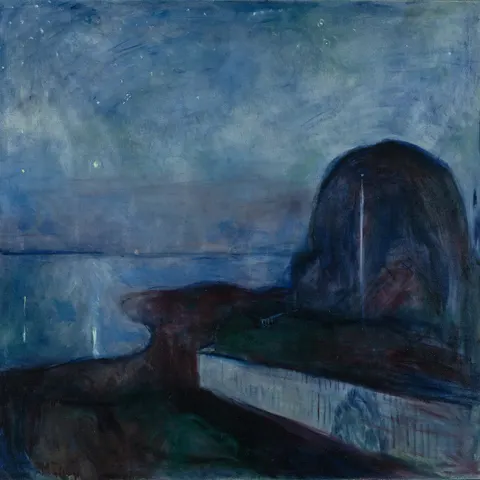

Starry Night
Edvard Munch, 1893
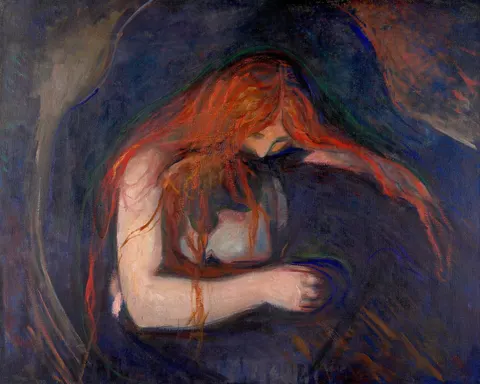

Vampire
Edvard Munch, 1895
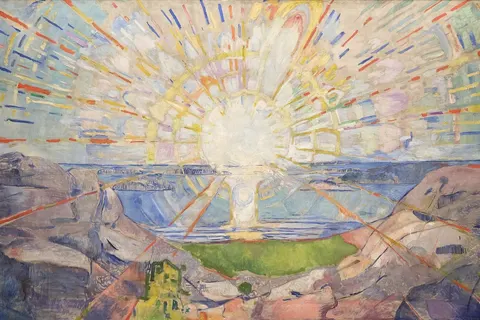

The Sun
Edvard Munch, 1911
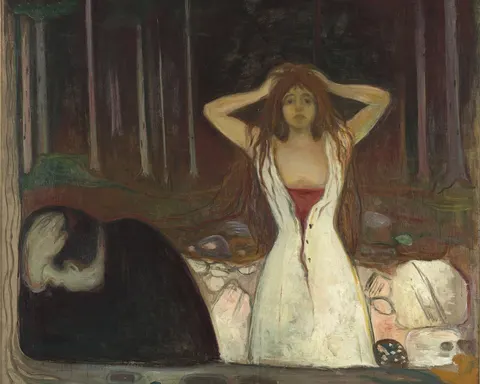

Ashes
Edvard Munch, 1895
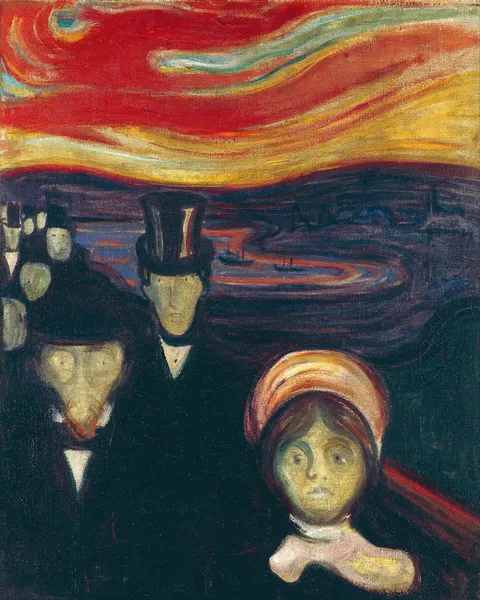

Anxiety
Edvard Munch, 1894
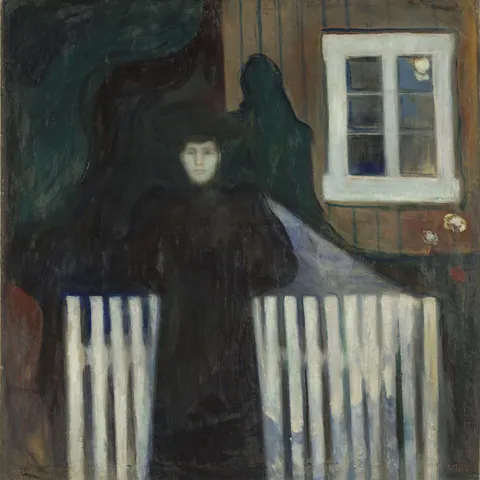

Moonlight
Edvard Munch, 1893
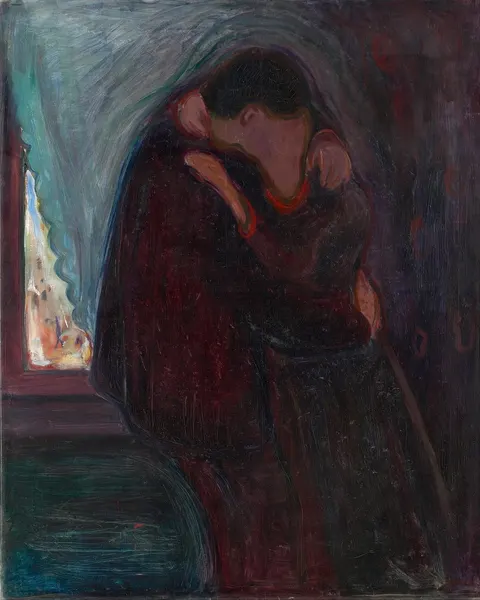

The Kiss
Edvard Munch, 1897
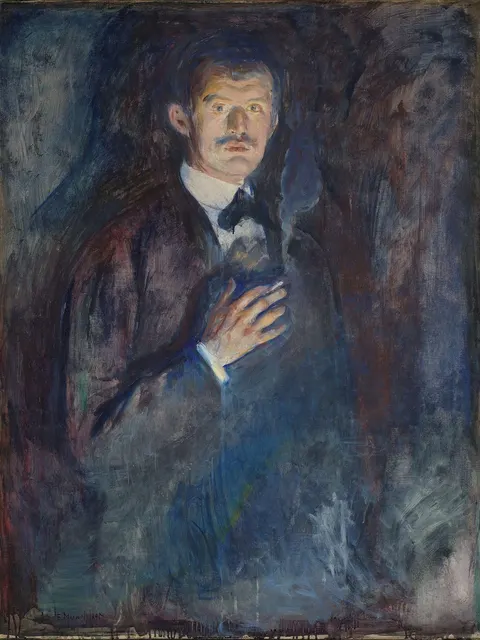

Self-Portrait with Cigarette
Edvard Munch, 1895
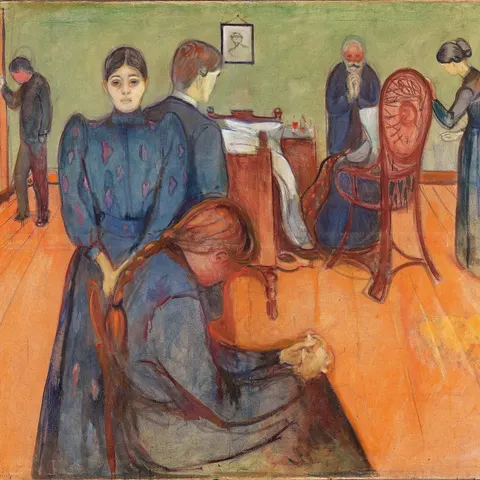

Death in the Sickroom
Edvard Munch,
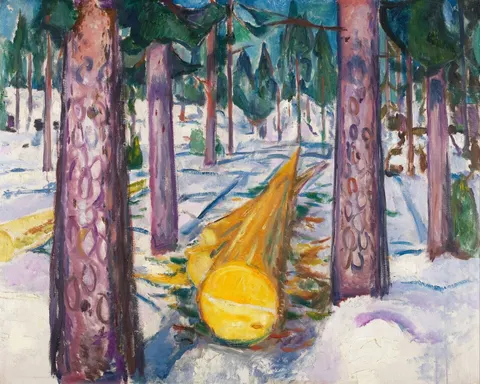

The Yellow Log
Edvard Munch, 1912
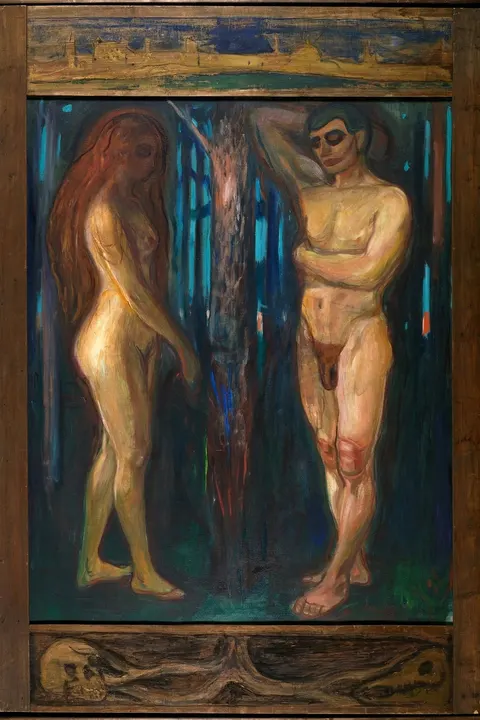

Metabolism
Edvard Munch, 1890s
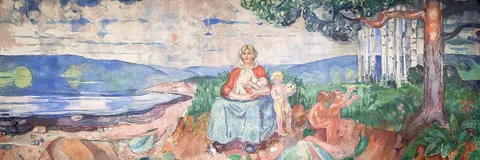

Alma Mater
Edvard Munch, 1915
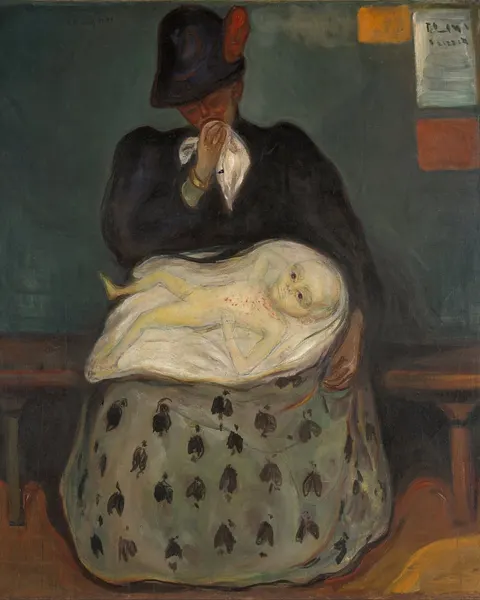

Inheritance
Edvard Munch, 1890s
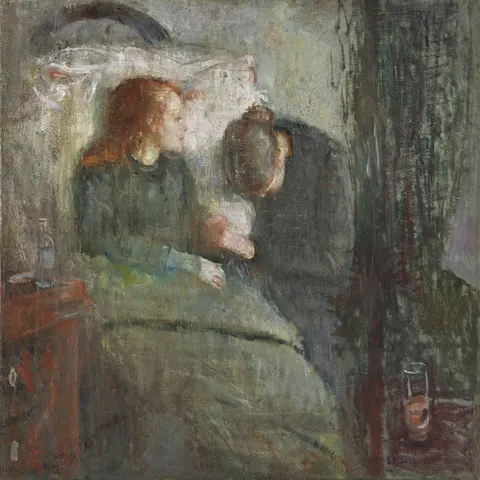

The Sick Child
Edvard Munch, 1880s
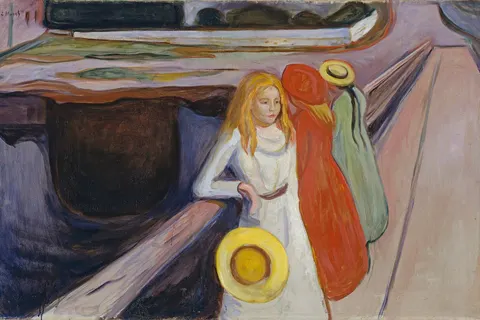

The Girls on the Bridge
Edvard Munch, 1901
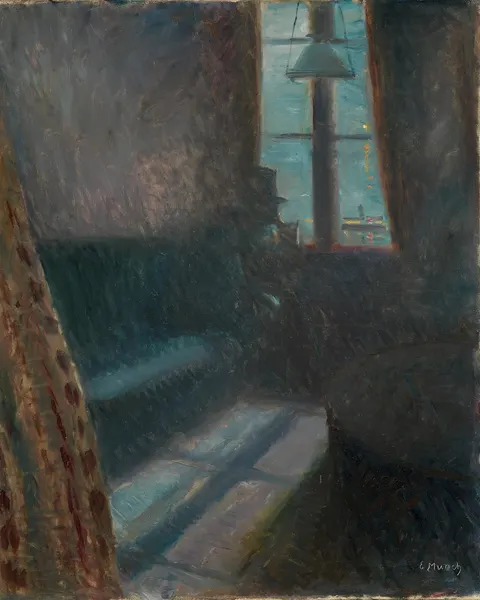

Night in Saint-Cloud
Edvard Munch, 1890


The Seine at Saint-Cloud
Edvard Munch, 1890
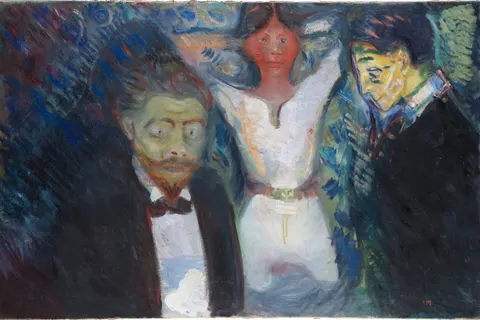

Jealousy
Edvard Munch, 1913
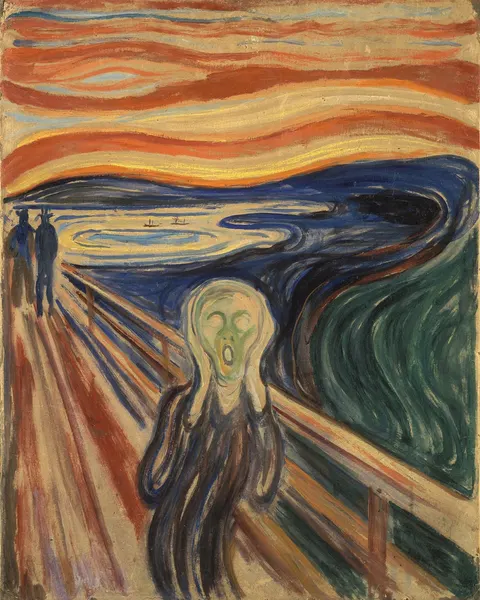

The Scream
Edvard Munch, c. 1910
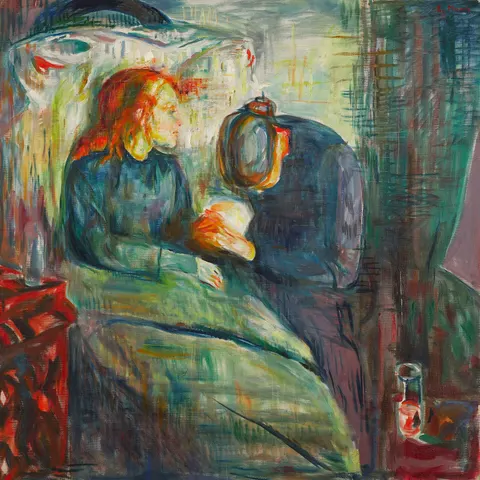

The Sick Child
Edvard Munch, 1925
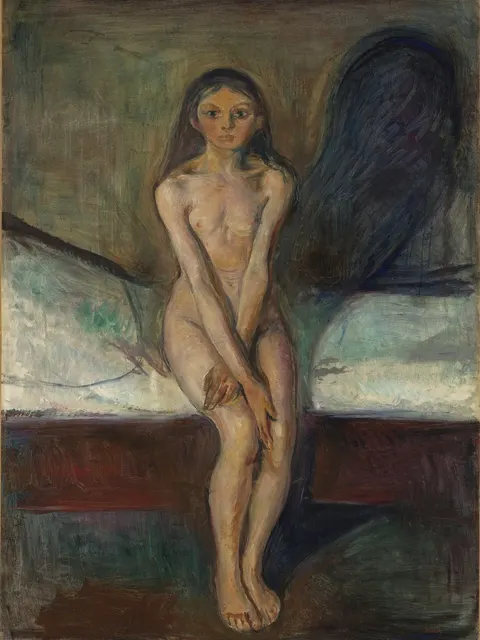

Puberty
Edvard Munch, 1894
About Edvard Munch
Born 1863
1900
1920
Died 1944
In 1864, when he was a baby, his family moved to Christiania, today's Oslo, and illness and loss overshadowed his childhood: his mother died of tuberculosis in 1868, and his favourite sister, Sophie, died of it at 15. Often kept home from school through the winters, he drew to pass the time. He later wrote that "the angels of fear, sorrow, and death stood by my side since the day I was born."
In Kristiania's bohemian circle, the writer Hans Jæger urged him to "write his life", to paint his own emotional and psychological state. The Sick Child (1886), based on Sophie's death, was his first "soul painting" and his break from Impressionism, and critics called him a madman for it. In Paris in 1889 he studied how Gauguin, van Gogh and Toulouse-Lautrec used colour to carry emotion.
Anxiety (1894) borrows the diagonal railing and blood-red sky of The Scream and fills the bridge with pale faces staring straight out at you. In Ashes, a man hunches over in shame beside a wide-eyed, dishevelled woman, and Munch later wrote on a lithograph of the scene, "I felt our love lying on the earth like a heap of ash". Vampire was never Munch's title; a critic friend named it, while Munch insisted it showed "just a woman kissing a man on the neck". In The Kiss (1897), the lovers' faces merge into one featureless shape.
Over half his paintings are landscapes, though he is rarely thought of as a landscape painter. Starry Night (1893) looks out over the shore at Åsgårdstrand from the hotel window where he first fell in love. After a breakdown in 1908 and months in a clinic, his work turned more colourful and less pessimistic, and a stylised version of The Sun later appeared on Norway's 1,000-kroner note. He died at his Ekely home in January 1944 and left his remaining work to Oslo, which built the Munch Museum.
Edvard Munch is part of our Expressionism & Early Modernism collection.
Related artists
Questions about Edvard Munch prints
- What are the Edvard Munch prints made of?
- Every Edvard Munch print is printed to order in the USA. Fine art prints use 340gsm cold press fine art paper, 100% cotton rag and acid-free, with archival inks. Canvases use 360gsm archival canvas, stretched over solid wood stretcher bars.
- What size Edvard Munch print should I choose?
- It depends on the wall. As a rule of thumb, aim for artwork roughly two-thirds the width of the furniture it hangs above — check each artwork's page for a size guide against the original dimensions.
- Canvas, framed, or fine art print?
- Canvas and framed canvas suit statement walls and gift-giving, and arrive ready to hang. Fine art prints on cotton rag paper are a lower-cost way to try a piece before committing to a larger format.
- How long does delivery take?
- Every print is made to order and arrives within 8 business days, often sooner. If it arrives damaged or faulty, we replace or refund it within 90 days.