1834–1917 · French · Impressionism
Edgar Degas Art Prints
Edgar Degas (1834–1917) is counted among the founders of Impressionism, yet he disliked the label and preferred to be called a realist. More than half of his works show dancers, yet what looks like a caught moment was always planned. “In art, nothing should look like chance, not even movement,” he said.
Shop Edgar Degas
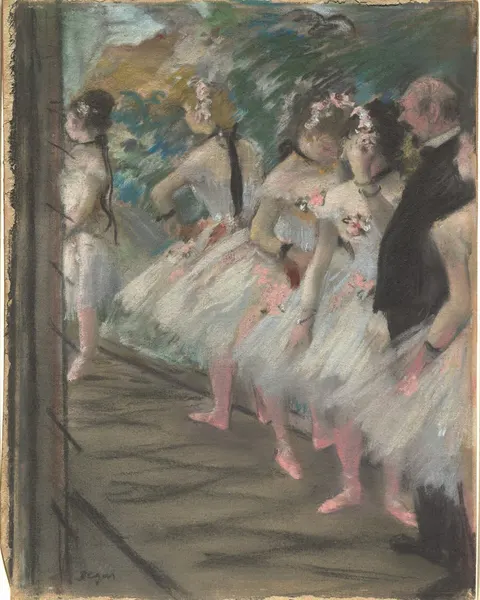

The Ballet
Edgar Degas, c. 1880
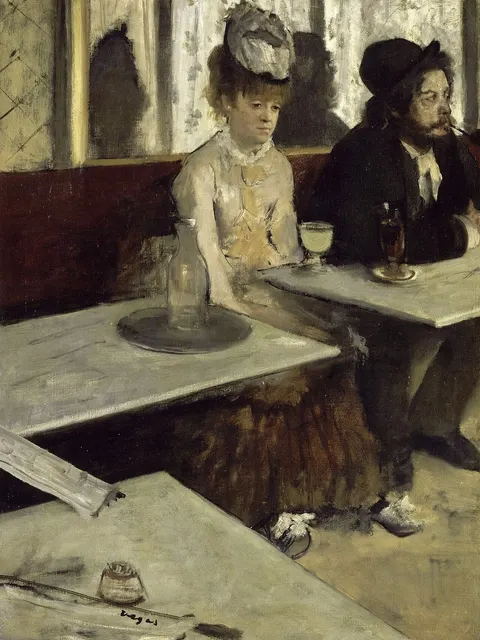

L'Absinthe
Edgar Degas, 1875–1876
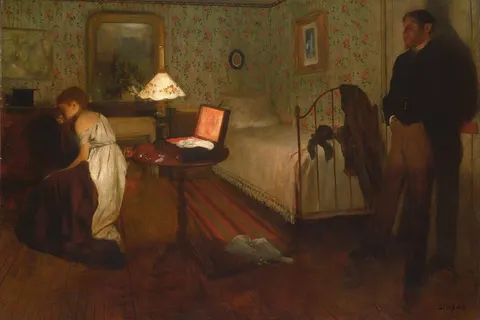

Interior
Edgar Degas, 1868–1869
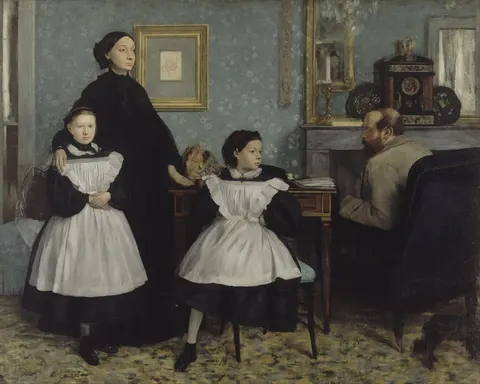

The Bellelli Family
Edgar Degas, 1858–1869
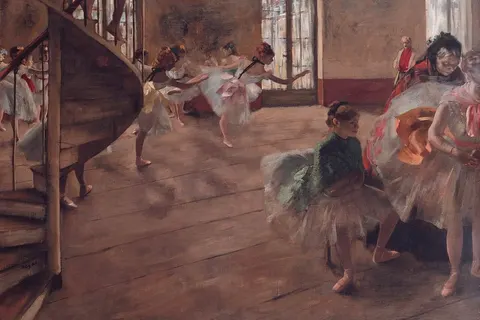

Ballet Rehearsal
Edgar Degas, 1874
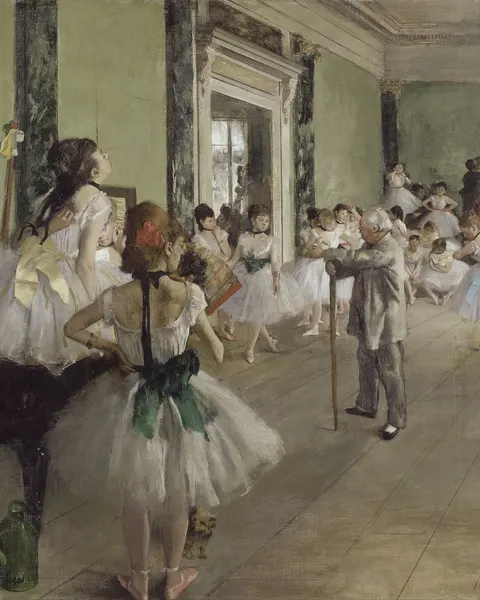

The Ballet Class
Edgar Degas, 1871–1874
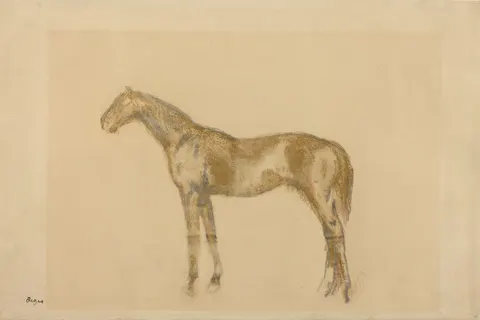

Horse
Edgar Degas, c. 1890
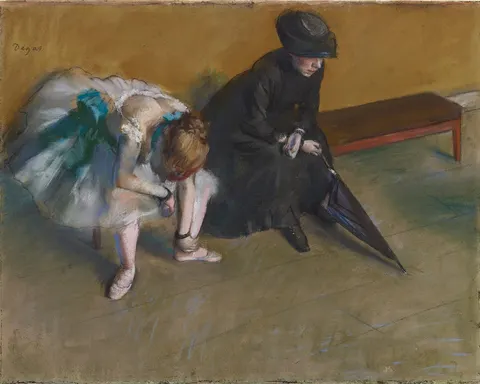

Waiting
Edgar Degas, 1882
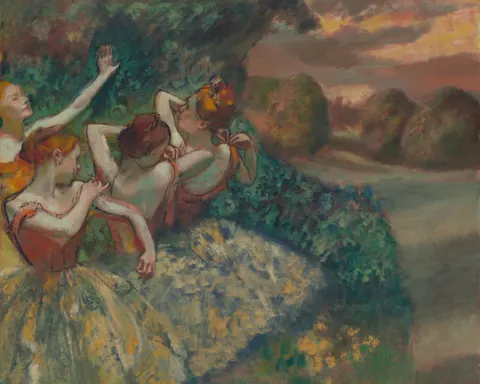

Four Dancers
Edgar Degas, c. 1899
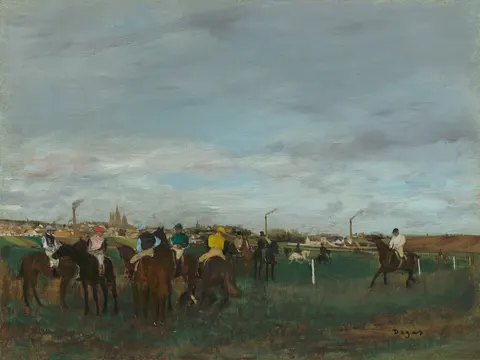

The Races
Edgar Degas, 1871–1872
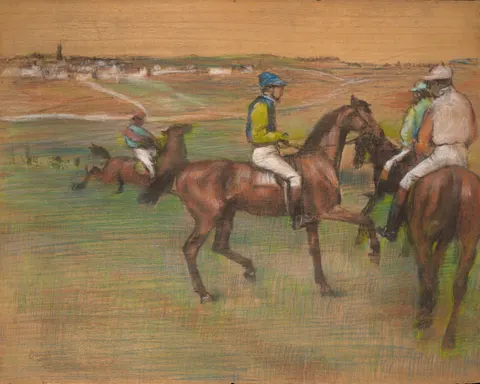

Race Horses
Edgar Degas, c. 1885–1888
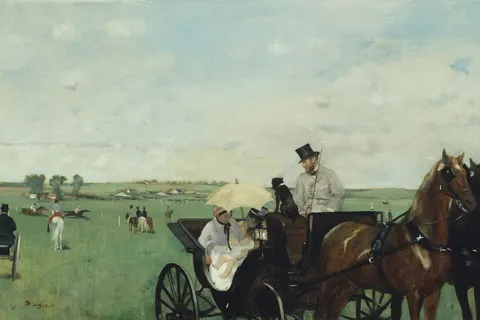

At the Races in the Countryside
Edgar Degas, 1869
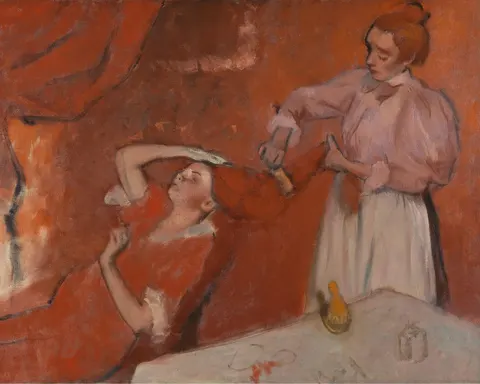

Combing the Hair
Edgar Degas, c. 1896
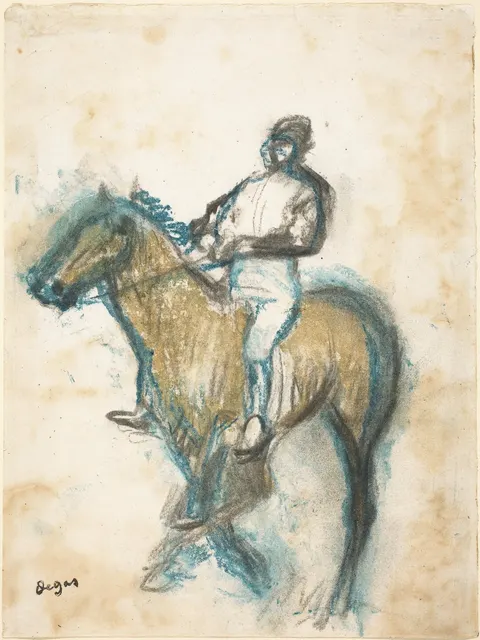

Jockey
Edgar Degas, c. 1898
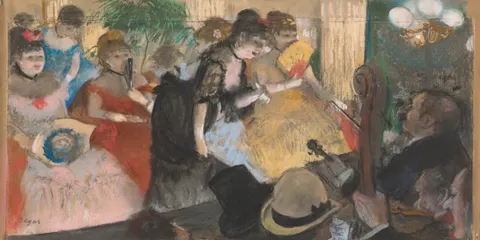

Café-Concert
Edgar Degas, 1876–1877
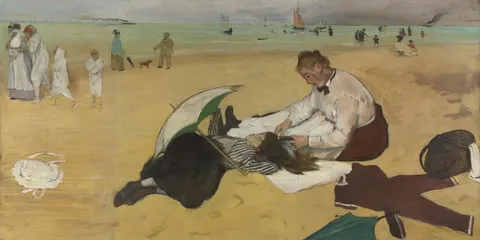

Beach Scene
Edgar Degas, c. 1869–1870
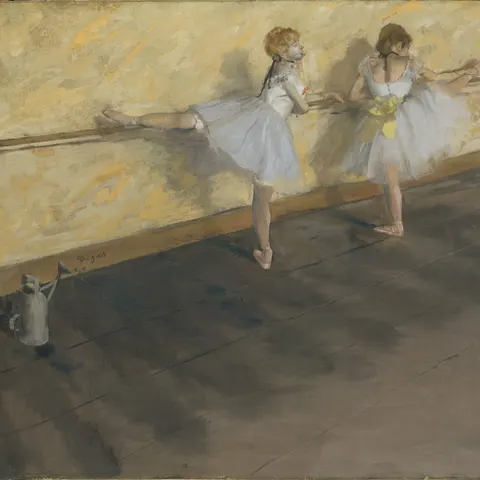

Dancers Practicing at the Barre
Edgar Degas, 1877
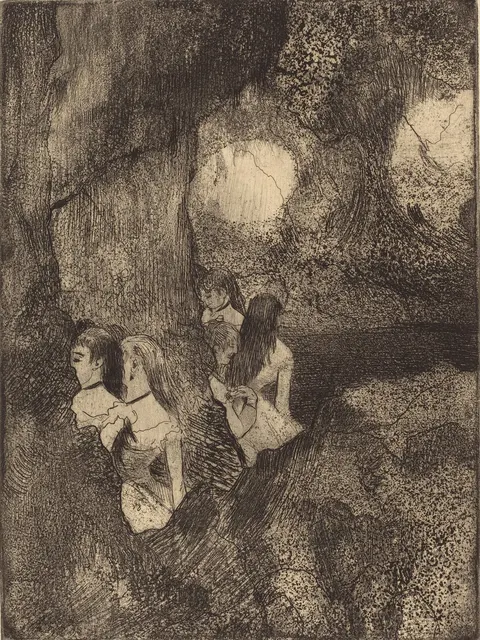

Dancers in the Wings
Edgar Degas, 1879–1880
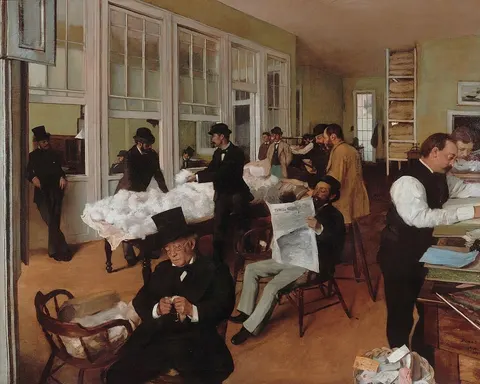

A Cotton Office in New Orleans
Edgar Degas, 1873
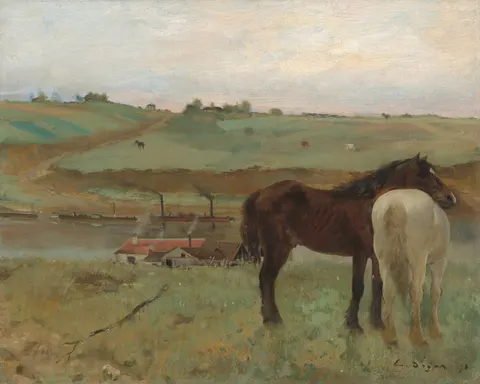

Horses in a Meadow
Edgar Degas, 1871
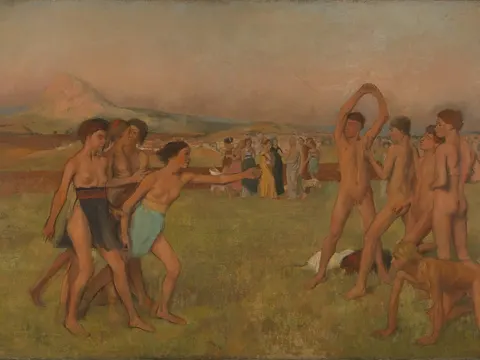

Young Spartans Exercising
Edgar Degas, c. 1860
About Edgar Degas
Born 1834
1860
1880
Died 1917
He was born in Paris to a banker and a Creole mother from New Orleans, and enrolled in law school to please his father, then put little effort into it. In 1855 he met Ingres, and never forgot his advice: “Draw lines, young man, and still more lines, both from life and from memory.” He trained as a history painter, and Young Spartans Exercising, begun around 1860, belongs to that ambition. X-rays show he kept changing the youths' faces, positions and even their number, which left the four women in the foreground with ten legs between them.
Money shaped the dancers. After his father died in 1874 he sold his house and inherited collection to pay his brother René's debts, and had to live from his art for the first time. He mostly showed dancers backstage or in rehearsal, as professionals doing a job. In The Ballet Class, look past the silver-haired teacher, Jules Perrot, for the mothers along the back wall, a watering can for damping the dusty floor, a small dog and a girl on the left stretching her back. In the pastel Waiting, the view drops steeply onto a dancer and her chaperone, as if from a box above the auditorium.
Outside the theatre he painted cafés and racecourses. L'Absinthe (1875–76) sets the actress Ellen Andrée beside the etcher Marcellin Desboutin in a Paris café; critics called it ugly on its first showing, and London found it degraded in 1893. By the later 1870s he had mastered pastel, a dry medium that let him join his gift for line to a growing interest in colour. The Met's Race Horses, dated to about 1885–88, is pastel laid on wood. In the late 1880s he also took up photography, shooting friends by lamplight and using photographs of dancers as reference for drawings and paintings.
In later years he grew isolated. The Dreyfus Affair hardened his antisemitism and he broke with his Jewish friends. His eyesight failed, he stopped working around 1912, and he died in Paris in 1917, nearly blind and never married.
Edgar Degas is part of our Impressionism collection.
Questions about Edgar Degas prints
- What are the Edgar Degas prints made of?
- Every Edgar Degas print is printed to order in the USA. Fine art prints use 340gsm cold press fine art paper, 100% cotton rag and acid-free, with archival inks. Canvases use 360gsm archival canvas, stretched over solid wood stretcher bars.
- What size Edgar Degas print should I choose?
- It depends on the wall. As a rule of thumb, aim for artwork roughly two-thirds the width of the furniture it hangs above — check each artwork's page for a size guide against the original dimensions.
- Canvas, framed, or fine art print?
- Canvas and framed canvas suit statement walls and gift-giving, and arrive ready to hang. Fine art prints on cotton rag paper are a lower-cost way to try a piece before committing to a larger format.
- How long does delivery take?
- Every print is made to order and arrives within 8 business days, often sooner. If it arrives damaged or faulty, we replace or refund it within 90 days.