1400s–1500s, Italy and Northern Europe
Renaissance
The Renaissance revived the art of classical antiquity and gave European painting linear perspective, the study of anatomy and a new taste for portraits of real people. Raphael in Rome and Albrecht Dürer in Nuremberg show its southern and northern forms.
Key works
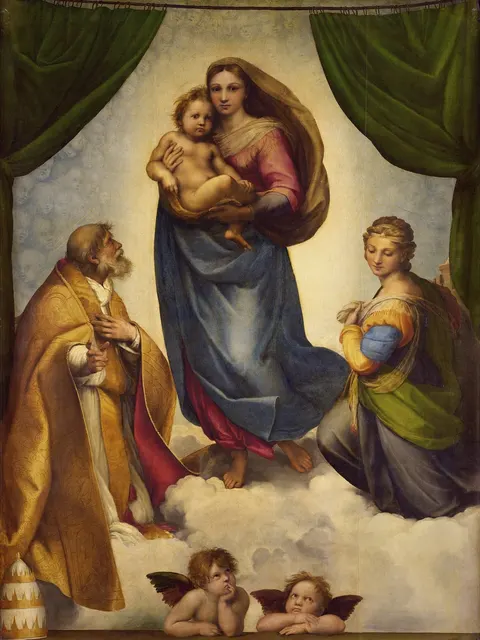

Sistine Madonna
Raphael, c. 1512–1513
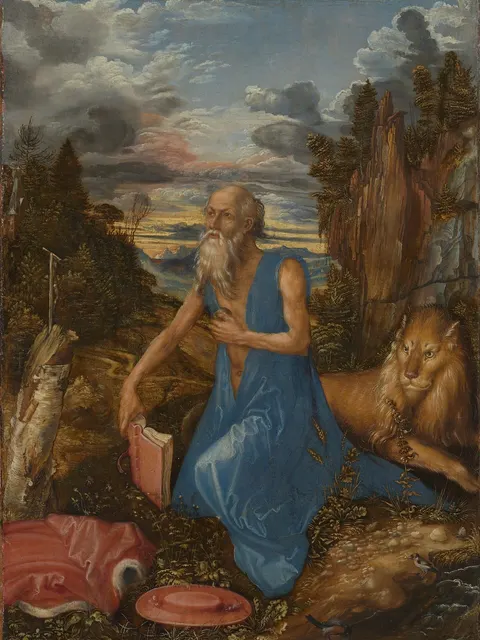

St. Jerome in the Wilderness
Albrecht Dürer, c. 1496
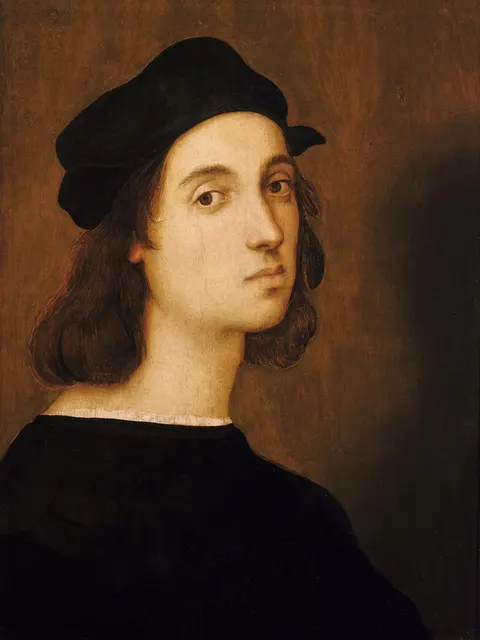

Self-portrait
Raphael, 1504–1506
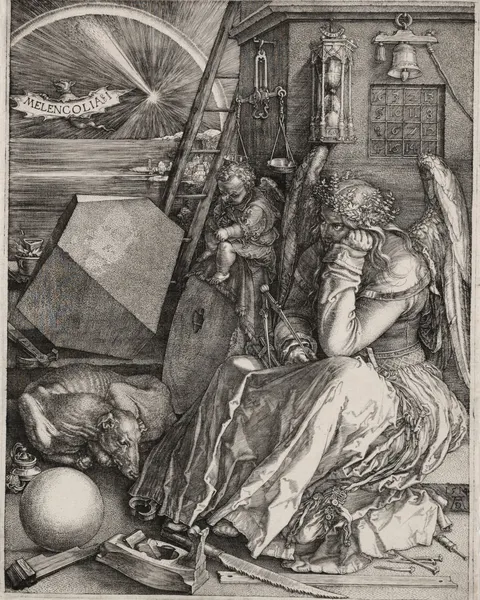

Melencolia I
Albrecht Dürer, 1514
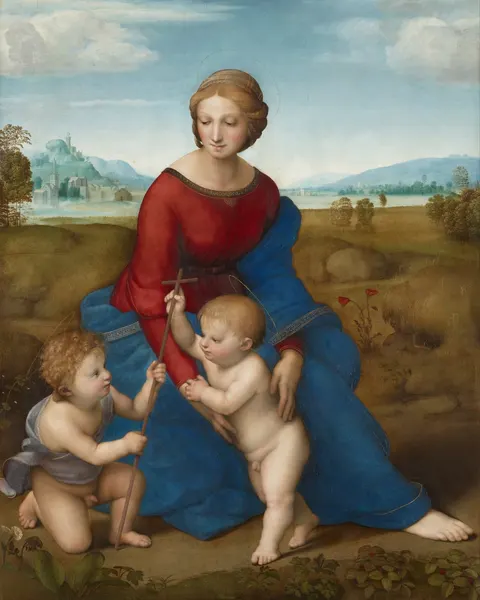

Madonna in the Meadow
Raphael, 1505–1506
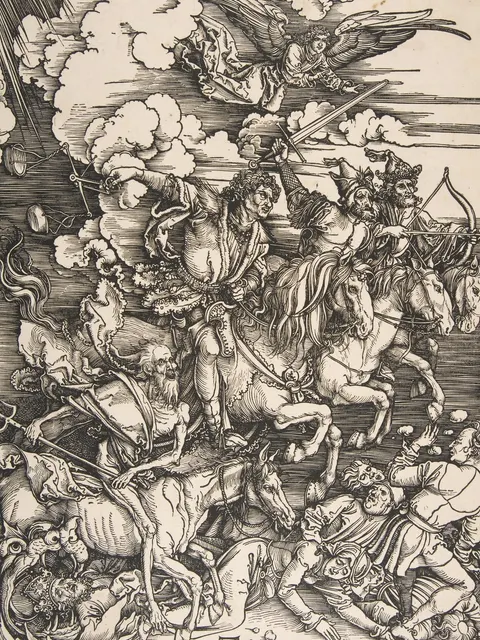

Four Horsemen of the Apocalypse
Albrecht Dürer, c. 1497–1498
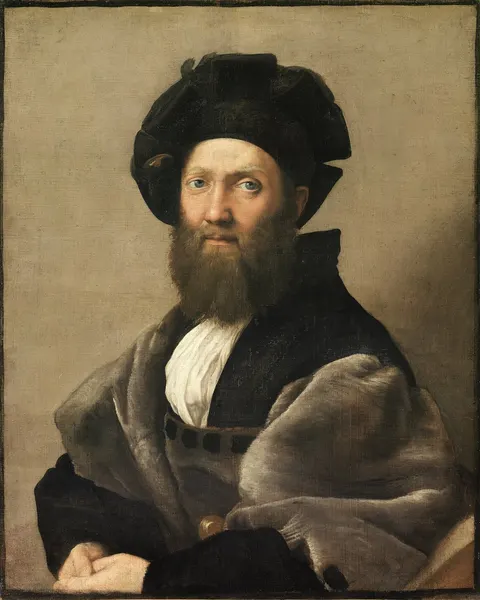

Portrait of Baldassare Castiglione
Raphael, 1514–1515
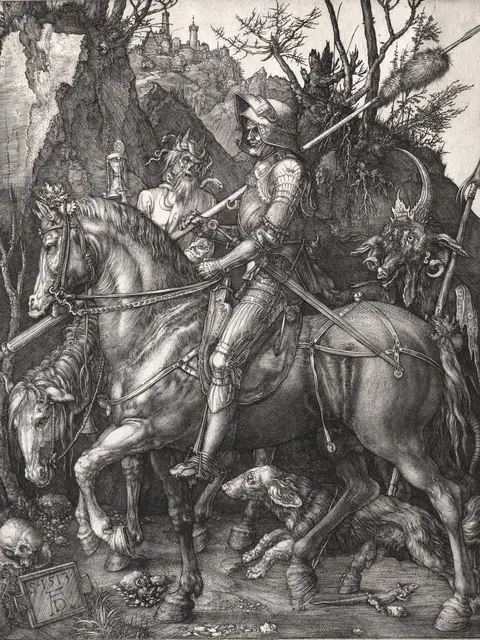

Knight, Death, and the Devil
Albrecht Dürer, 1513
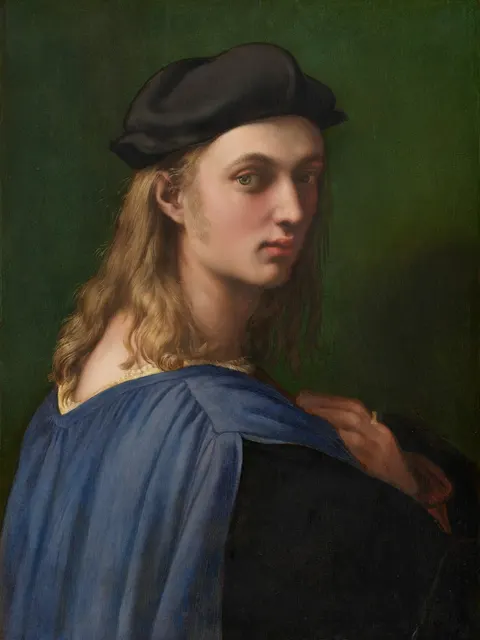

Bindo Altoviti
Raphael, c. 1515
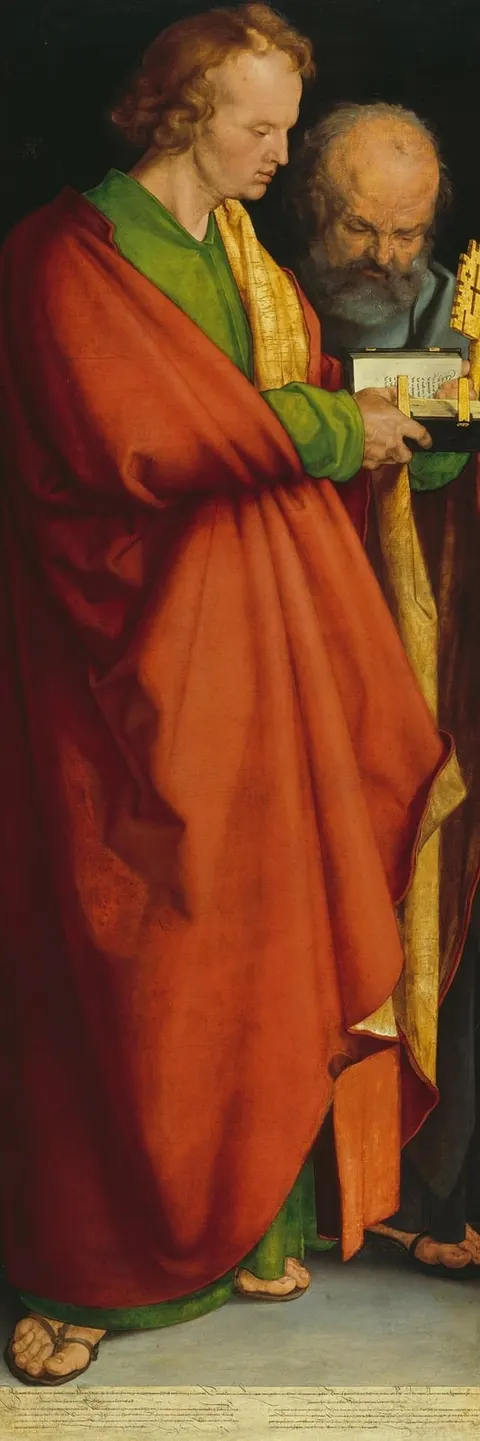

The Four Apostles: Saints John and Peter
Albrecht Dürer, 1526
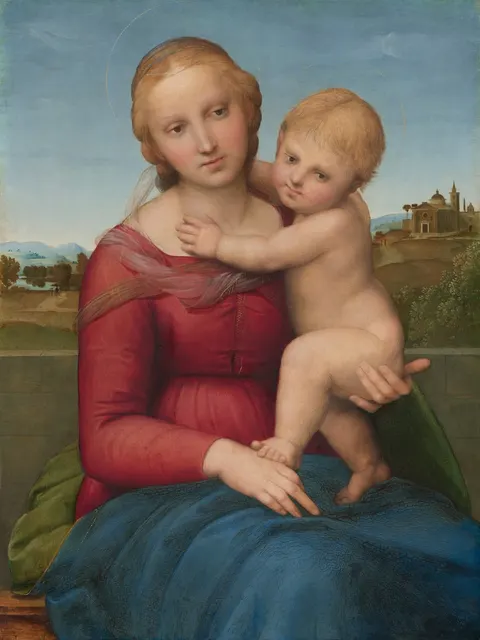

The Small Cowper Madonna
Raphael, c. 1505
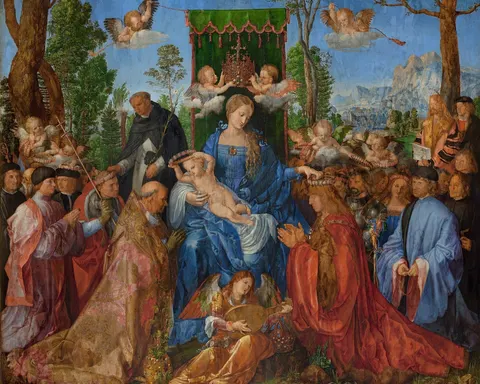

Feast of the Rosary
Albrecht Dürer, 1506
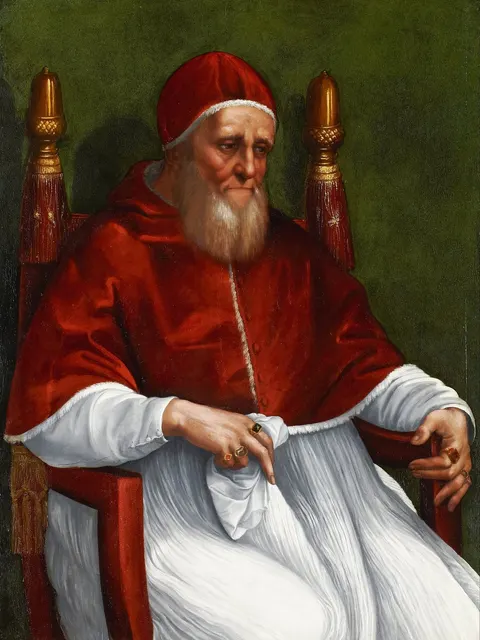

Portrait of Pope Julius II
Raphael, 1511–1512
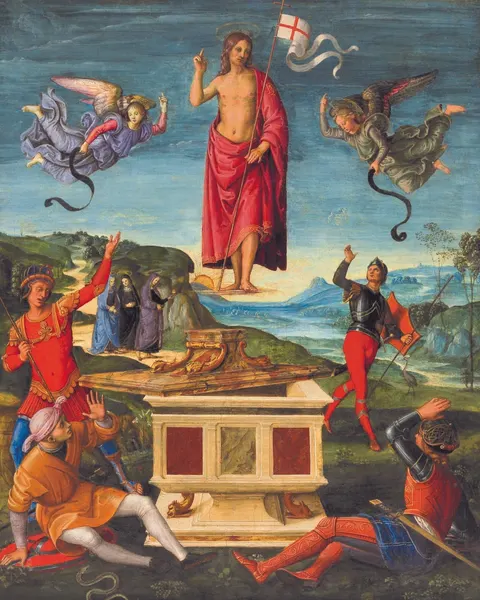

Resurrection of Christ
Raphael, 1499–1502
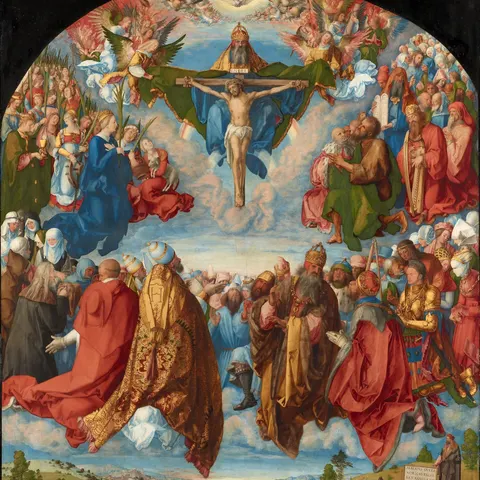

Adoration of the Trinity
Albrecht Dürer, 1511
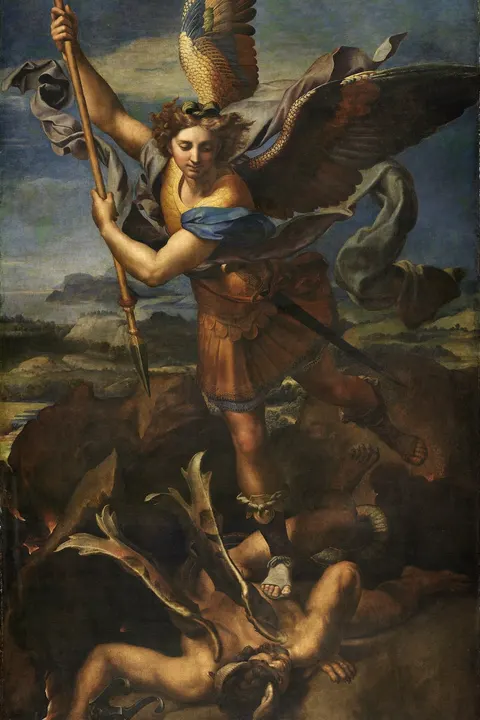

St. Michael Vanquishing Satan
Raphael, 1518
1400s–
Italy and Northern Europe
47 prints by 2 artists in our collection
More about Renaissance
It began in Florence, where money from the Medici bank paid for art that served neither church nor king alone. In the first half of the 1400s, painters and architects such as Brunelleschi worked out how to make a flat wall look like real space; Masaccio's Tribute Money is built around a single vanishing point.
Ideas also flowed the other way. Oil paint reached Italy from Flanders around 1450, and because it could be made opaque or transparent and reworked for days, it let painters render textures that fresco and tempera could not. When Hugo van der Goes's huge altarpiece arrived in Florence from Bruges in 1483, its shepherds with stubbly beards and work-worn hands made such an impression that Domenico Ghirlandaio promptly painted his own version.
The High Renaissance, the short peak of Leonardo, Michelangelo and Raphael, is usually said to end in 1520 with Raphael's death. In Italy, painters such as Raphael built calm, balanced groups with clear forms and easy composition; his Madonna of the Meadow sets its three figures in a pyramid.
North of the Alps the movement came later and kept a Gothic accent, spread by universities and the printing press. Dürer, who went to Venice twice, carried Italian ideas home and turned the engraving and the woodcut into major art forms that crossed Europe as prints. His Adam and Eve borrows its idealised bodies from classical sculpture but sets the garden in a northern forest.