All styles
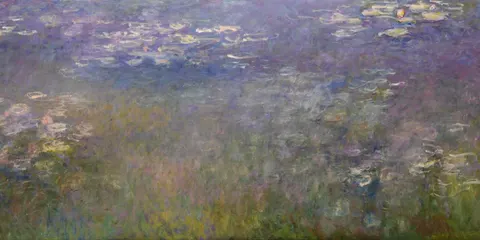
Impressionism
1860s–1880s, France
Impressionism broke from the polished studio painting of the French Academy, favoring quick, visible brushstrokes and everyday subjects captured outdoors in shifting light. The name comes from a jab at Claude Monet's 1872 harbor scene Impression, Sunrise.
Explore Impressionism →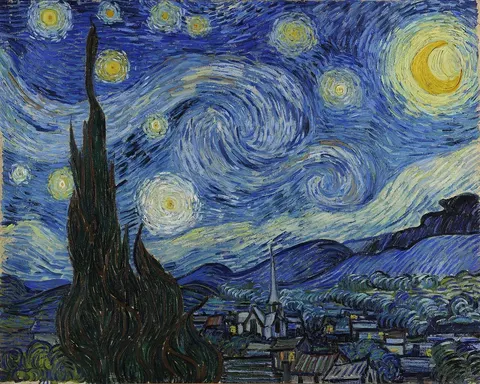
Post-Impressionism
1880s–1900s, France
Post-Impressionism kept Impressionism's bright color and everyday subjects but pushed toward more personal, symbolic, and structured uses of paint. Vincent van Gogh's thick, directional brushwork and saturated color turned landscapes and still lifes into vehicles for emotion rather than pure observation.
Explore Post-Impressionism →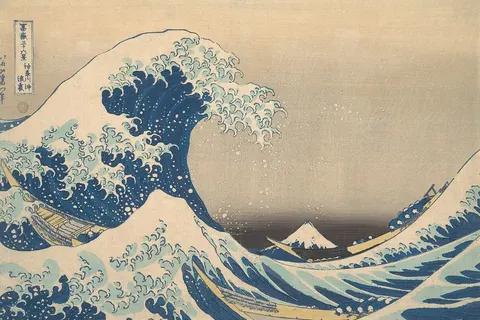
Japanese Woodblock Prints
17th–19th century, Edo-period Japan
Ukiyo-e, or 'pictures of the floating world,' were mass-produced Japanese woodblock prints depicting landscapes, kabuki actors, and city pleasures. Katsushika Hokusai's Thirty-six Views of Mount Fuji, especially The Great Wave, became the most recognized examples worldwide and helped ignite the Japonisme craze in 1870s Europe.
Explore Japanese Woodblock Prints →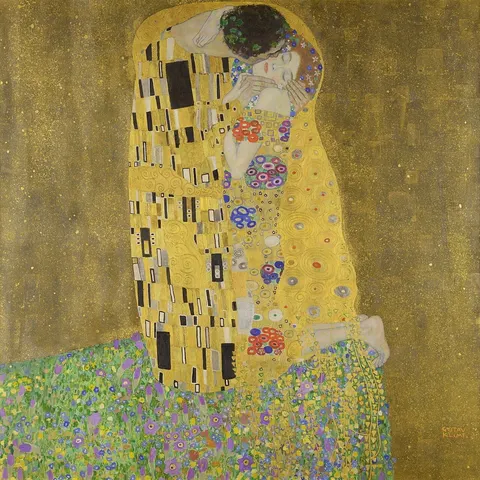
Art Nouveau Posters
1890s–1900s, Paris and Vienna
Art Nouveau treated the poster and the decorative panel as fine art, wrapping flowing organic lines, flattened pattern, and stylized female figures around advertisements, theater bills, and interiors. Alphonse Mucha's 1894 poster for Sarah Bernhardt made him the style's defining name in Paris; Gustav Klimt carried its decorative instincts into painting in Vienna.
Explore Art Nouveau Posters →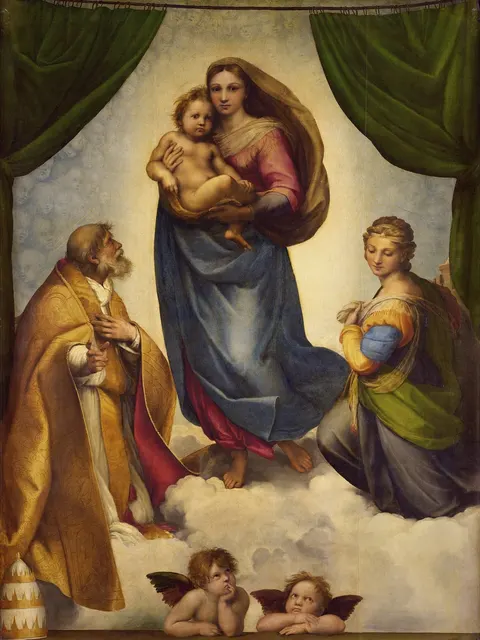
Renaissance
1400s–1500s, Italy and Northern Europe
The Renaissance revived the art of classical antiquity and gave European painting linear perspective, the study of anatomy and a new taste for portraits of real people. Raphael in Rome and Albrecht Dürer in Nuremberg show its southern and northern forms.
Explore Renaissance →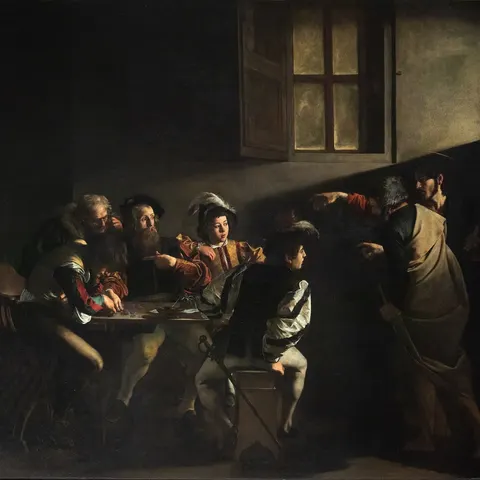
Baroque & Dutch Golden Age
1600s, Italy, Flanders and the Dutch Republic
Baroque painting traded Renaissance calm for drama: deep colour, strong light and shadow, and emotion aimed straight at the viewer. Caravaggio in Rome, Rubens in Antwerp and Rembrandt in Amsterdam each took it in a different direction.
Explore Baroque & Dutch Golden Age →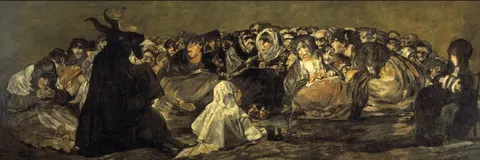
Romanticism
Late 1700s–mid 1800s, Europe
Romanticism put feeling, imagination and the force of nature ahead of classical order. In this collection it means J. M. W. Turner's storms and blazing skies, and Francisco Goya's dark visions of war and superstition.
Explore Romanticism →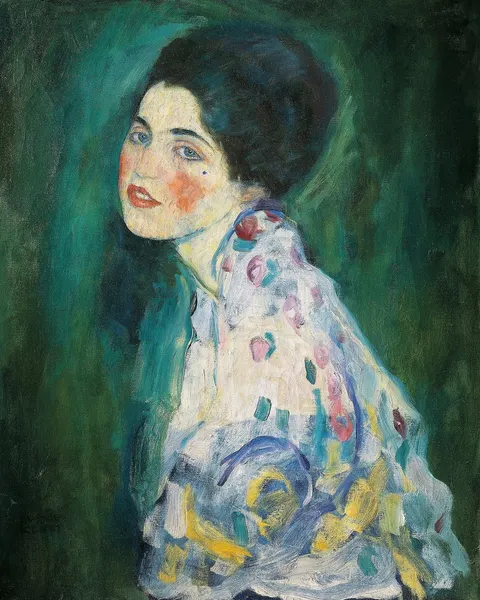
Symbolism & the Vienna Secession
1890s–1910s, Vienna and Europe
Symbolist painters looked past everyday appearance to dreams, myth and private meaning. In Vienna, Gustav Klimt and the Secession set themselves against the official academy, aiming to merge painting with architecture and design.
Explore Symbolism & the Vienna Secession →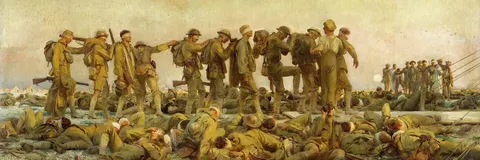
American Painting
1860s–1920s, United States
Late 19th-century American painting pulled in two directions, and the two painters here show both. Winslow Homer painted the sea, the Civil War and rural life with plain-spoken force, while John Singer Sargent became the leading portraitist of his generation on both sides of the Atlantic.
Explore American Painting →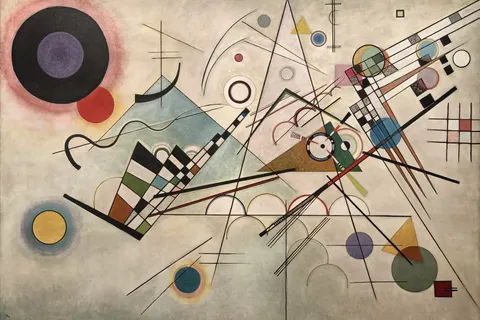
Expressionism & Early Modernism
1890s–1920s, Northern Europe
Expressionist painters bent colour and form to show inner feeling rather than outward appearance. Edvard Munch's anxious, haunted images and Wassily Kandinsky's move into abstraction mark the path from Symbolism to modern art.
Explore Expressionism & Early Modernism →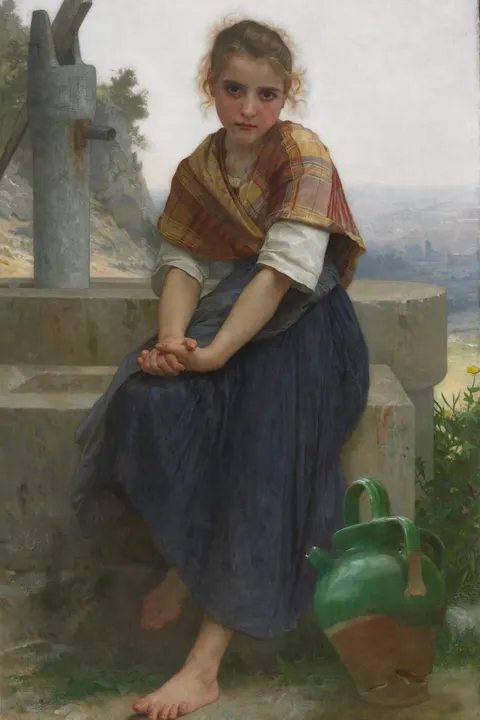
Academic Art
1850s–1900s, France
Academic painting followed the training of the French Académie des Beaux-Arts: drawing first, a smooth, polished finish, and subjects from myth, religion and idealised everyday life. William-Adolphe Bouguereau was one of its leading figures in Paris.
Explore Academic Art →