1577–1640 · Flemish · Baroque
Peter Paul Rubens Art Prints
Peter Paul Rubens (1577–1640) led a double life: he ran a large Antwerp workshop, and he travelled between the courts of Spain and England as a diplomat. His Flemish Baroque style is all movement, colour and flesh, and both Philip IV of Spain and Charles I of England knighted him.
Shop Peter Paul Rubens
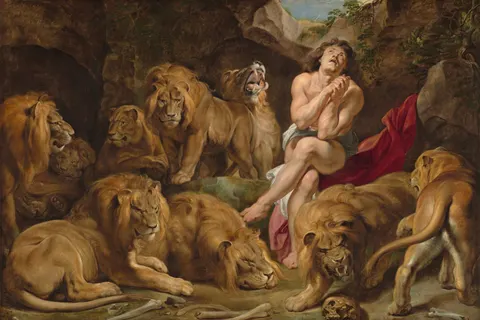

Daniel in the Lions' Den
Peter Paul Rubens, c. 1614–1616
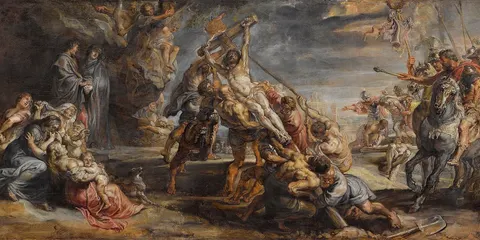

The elevation of the cross
Peter Paul Rubens, c. 1638
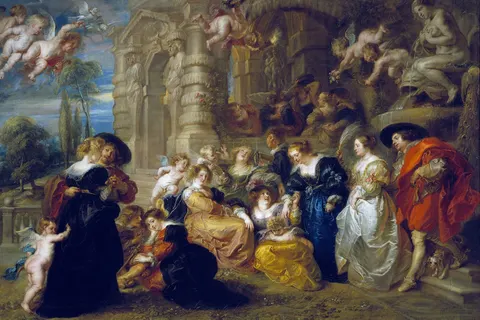

The Garden of Love
Peter Paul Rubens, 1630–1635
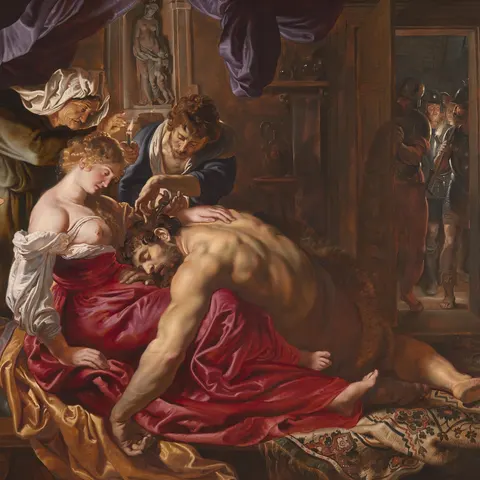

Samson and Delilah
Peter Paul Rubens, c. 1609–1610
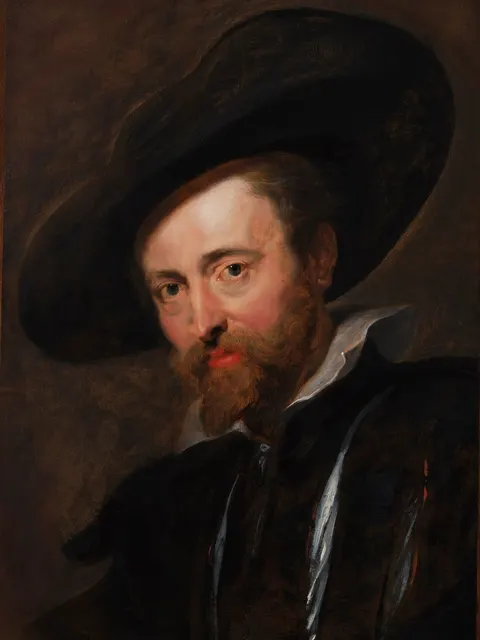

Self-portrait
Peter Paul Rubens, c. 1623–1630
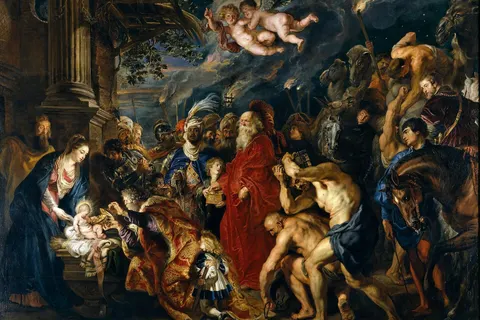

The Adoration of the Magi
Peter Paul Rubens, 1609
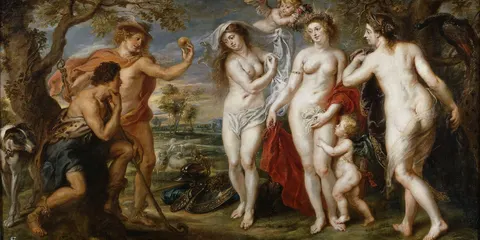

The Judgement of Paris
Peter Paul Rubens, 1636
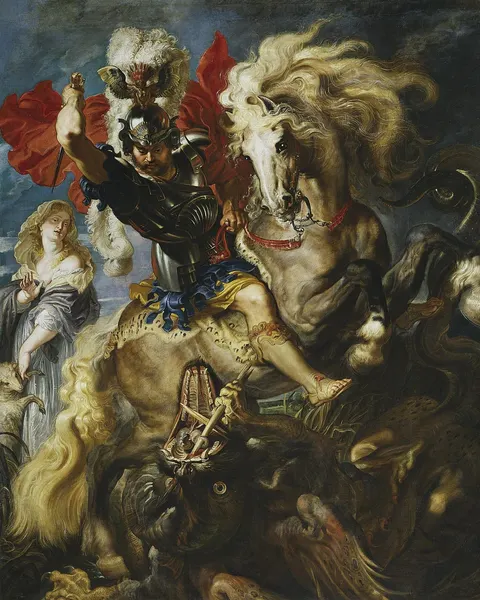

Saint George slaying the dragon
Peter Paul Rubens, 1606
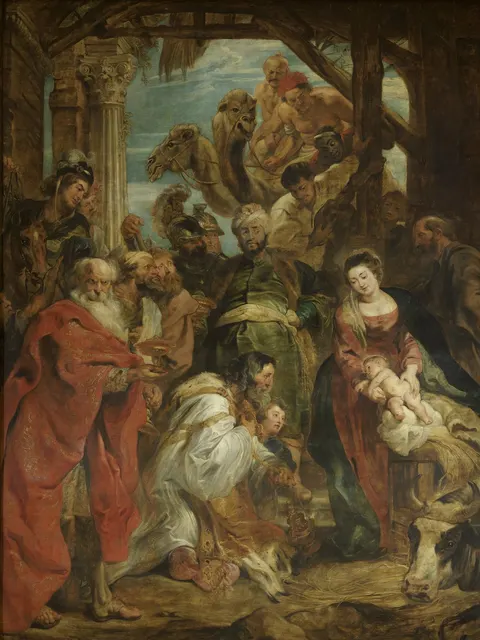

The adoration of the Magi
Peter Paul Rubens, 1624
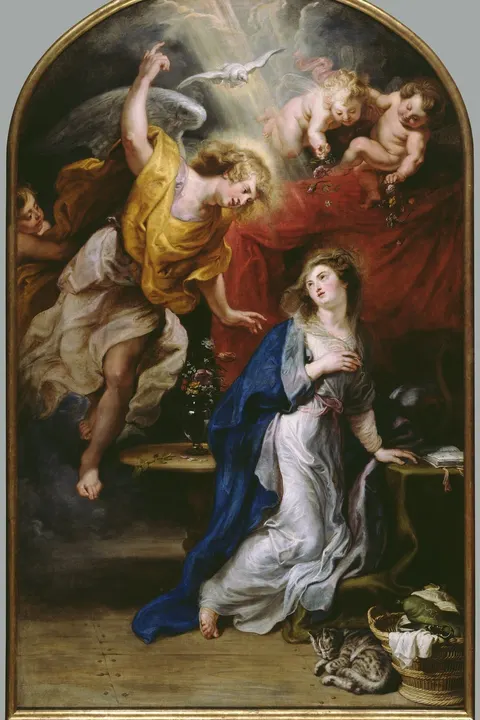

Annunciation
Peter Paul Rubens, 1610–1628
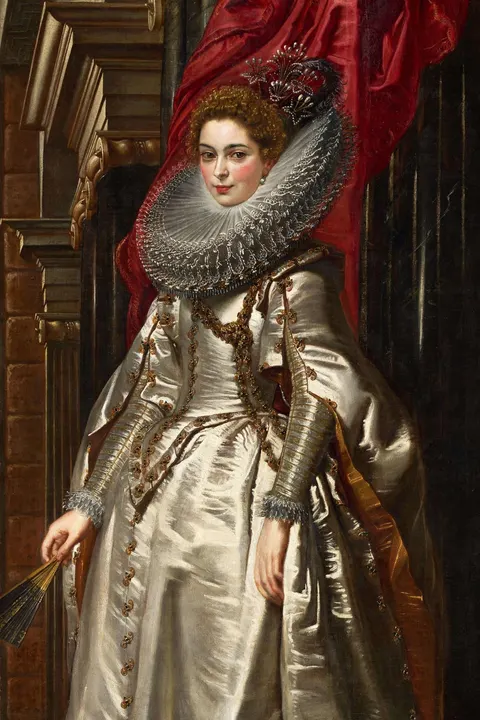

Marchesa Brigida Spinola Doria
Peter Paul Rubens, 1606
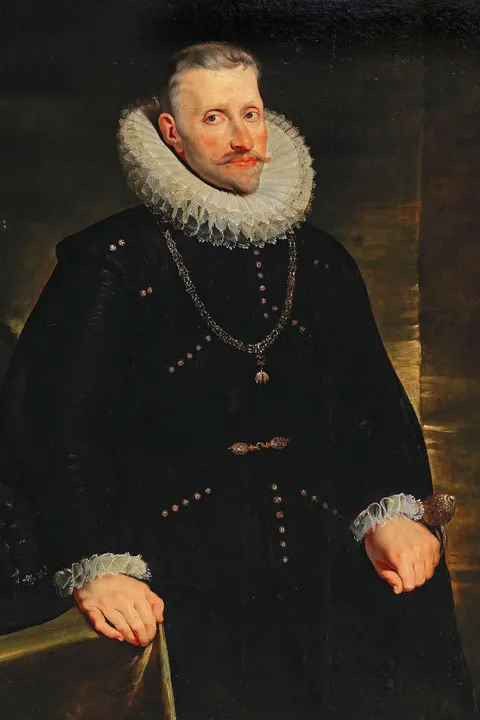

The Tiger Hunt
Peter Paul Rubens, c. 1615–1617
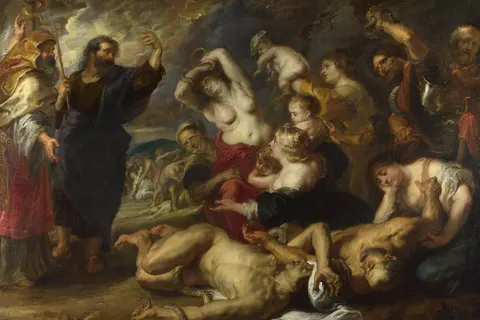

The Brazen Serpent
Peter Paul Rubens, 1638
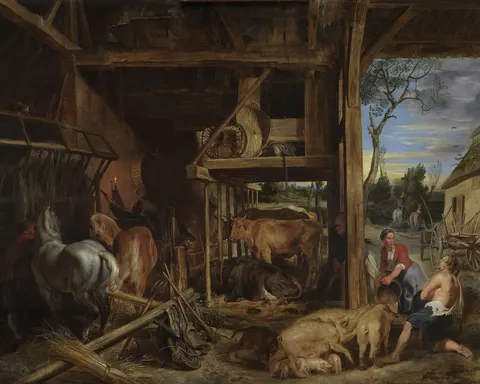

Interior of a barn with the Prodigal Son tending the swines
Peter Paul Rubens, c. 1618–1619
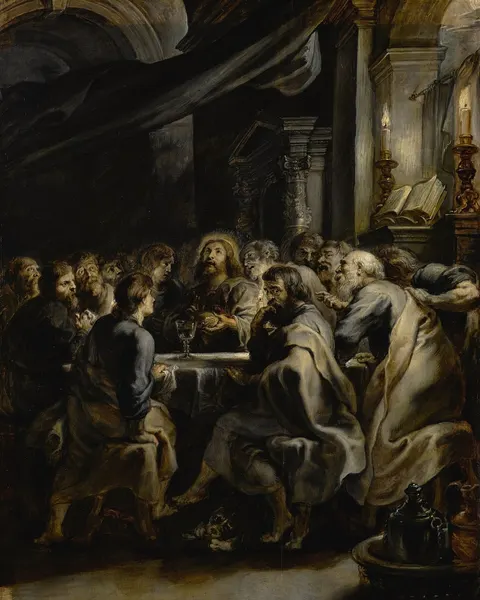

The Last Supper
Peter Paul Rubens, c. 1631–1632
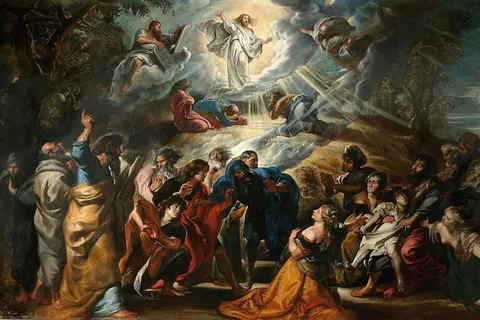

The Transfiguration: Moses and Elijah appear on either side of Christ on Mount Tabor
Peter Paul Rubens, 1605
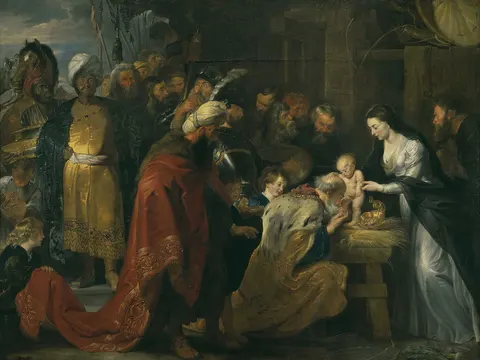

The Adoration of the Magi
Peter Paul Rubens, 1617–1618
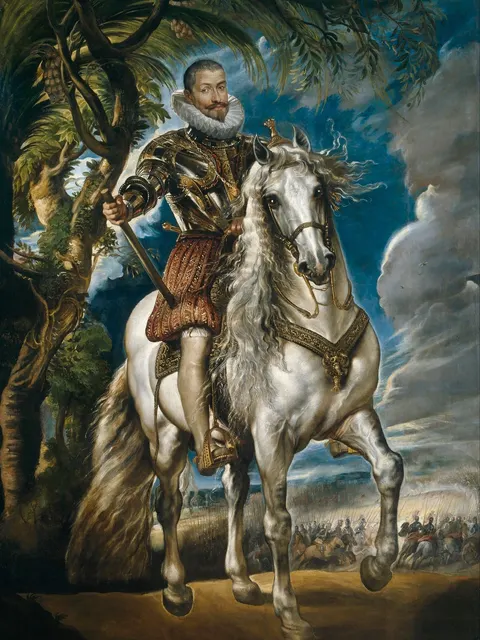

Equestrian portrait of Francisco Gómez de Sandoval-Rojas y Borjas, Duque de Lerma
Peter Paul Rubens, 1603
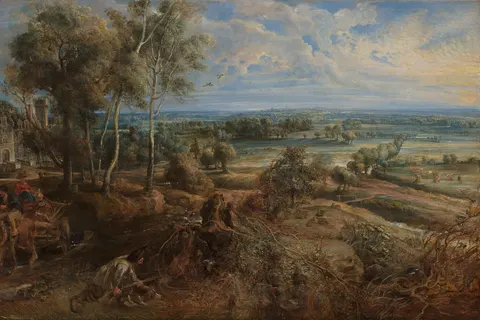

A View of Het Steen in the Early Morning
Peter Paul Rubens, c. 1636
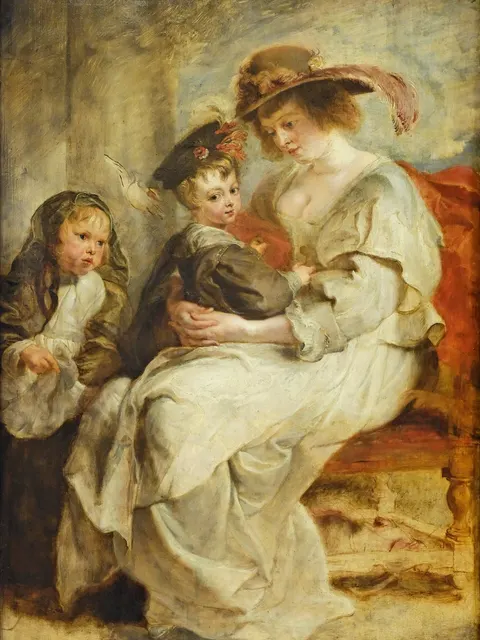

Portrait of Helena Fourment with Clara-Johanna and Frans Rubens
Peter Paul Rubens, 1636
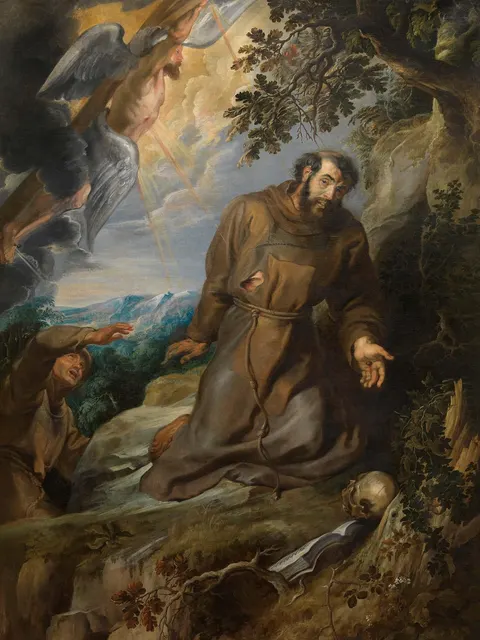

The stigmatisation of Saint Francis of Assisi
Peter Paul Rubens, c. 1633
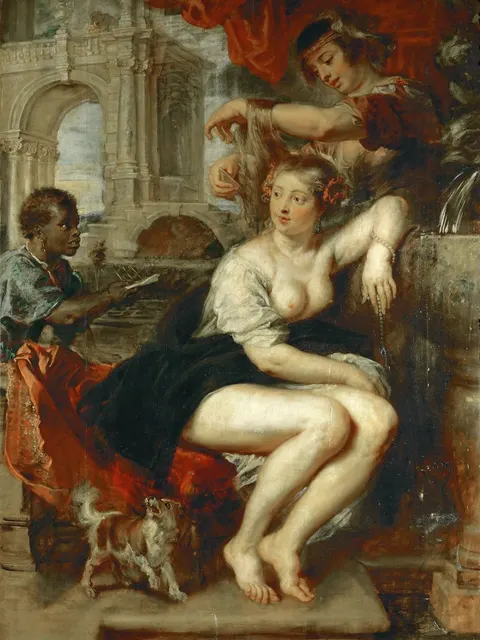

Bathsheba at the Fountain
Peter Paul Rubens, c. 1635
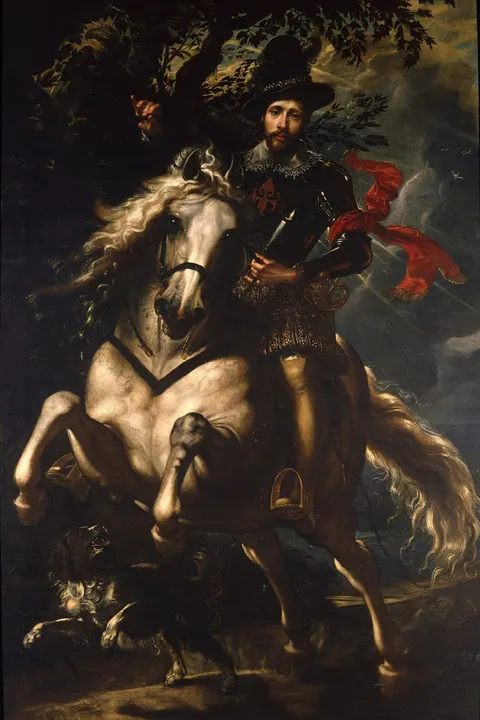

Equestrian Portrait of Giancarlo Doria
Peter Paul Rubens, 1606
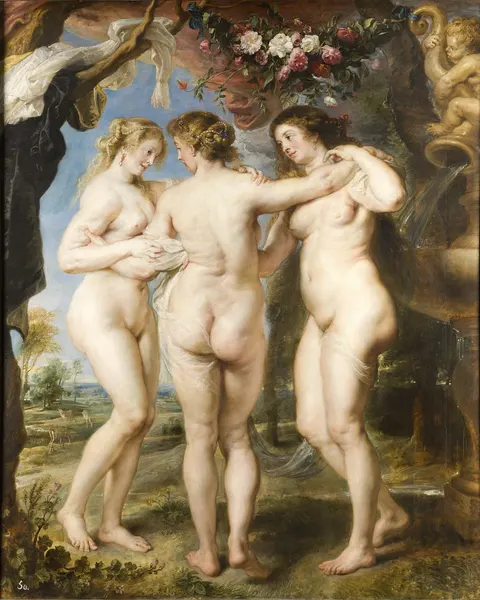

The Three Graces
Peter Paul Rubens, 1630–1635
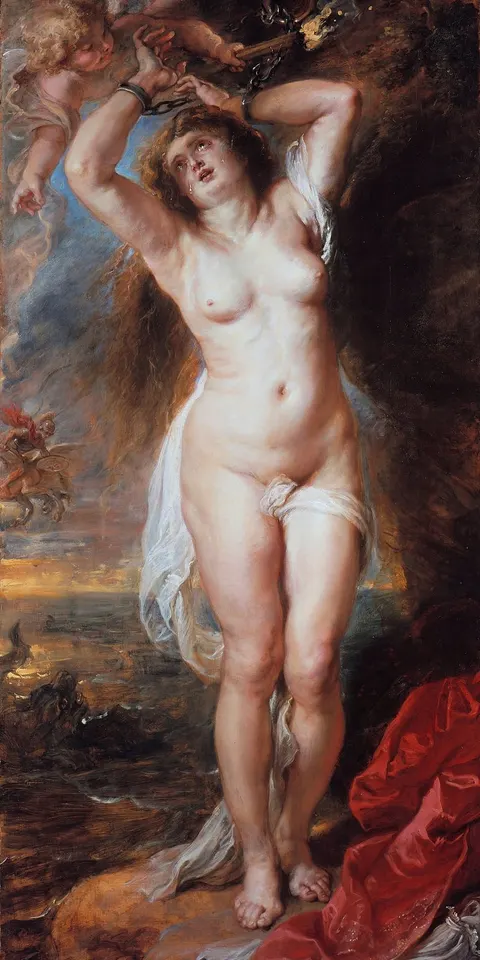

Perseus Freeing Andromeda
Peter Paul Rubens, 1638–1639
About Peter Paul Rubens
Born 1577
1600
1620
Died 1640
He was born in 1577 in Siegen, in present-day Germany, where his father, from an old Antwerp family, was obliged to live after a spell in prison, and the family returned to Antwerp in 1590. He had a humanist schooling in Latin and the classics, and later wrote letters in five languages. Eight years in Italy from 1600 brought him face to face with Titian, Michelangelo and the new naturalism of Caravaggio. In Genoa he painted the Marchesa Brigida Spinola Doria, then a bride of about twenty-two, dressed in satin and lace; the canvas has since been cut down, losing the garden behind her.
Back in Antwerp in 1609 he became court painter to the Spanish Netherlands, married Isabella Brant and designed his own house and studio, now the Rubenshuis. The studio worked like a firm: Anthony van Dyck trained there, specialists such as the animal painter Frans Snyders added details, and engravers turned his pictures into prints that he protected with an early form of copyright. Altarpieces such as The Raising of the Cross for Antwerp's cathedral made him Flanders' leading painter, and in 1621 the French queen mother, Marie de' Medici, commissioned a cycle celebrating her life, now in the Louvre. The catalogue of his work runs to 1,403 pieces.
In Daniel in the Lions' Den, painted around 1615, the lions are life-size, and the picture later hung in Charles I's Whitehall palace. After Isabella's death he married Helena Fourment in 1630, and she became the model for the full figures of his late work, including The Three Graces and The Judgement of Paris, where viewers recognised her as Venus. In The Garden of Love, look for the symbols of married love scattered through the party: cupids, a pair of doves and Juno's peacock. He died in Antwerp in 1640 and is buried in Saint James' Church.
Peter Paul Rubens is part of our Baroque & Dutch Golden Age collection.
Related artists
Questions about Peter Paul Rubens prints
- What are the Peter Paul Rubens prints made of?
- Every Peter Paul Rubens print is printed to order in the USA. Fine art prints use 340gsm cold press fine art paper, 100% cotton rag and acid-free, with archival inks. Canvases use 360gsm archival canvas, stretched over solid wood stretcher bars.
- What size Peter Paul Rubens print should I choose?
- It depends on the wall. As a rule of thumb, aim for artwork roughly two-thirds the width of the furniture it hangs above — check each artwork's page for a size guide against the original dimensions.
- Canvas, framed, or fine art print?
- Canvas and framed canvas suit statement walls and gift-giving, and arrive ready to hang. Fine art prints on cotton rag paper are a lower-cost way to try a piece before committing to a larger format.
- How long does delivery take?
- Every print is made to order and arrives within 8 business days, often sooner. If it arrives damaged or faulty, we replace or refund it within 90 days.