1836–1910 · American · Realism
Winslow Homer Art Prints
Winslow Homer (1836–1910) taught himself to paint after years drawing for magazines, and he never lost the illustrator's clean outlines and strong contrasts of light and dark. He is best known for the sea, and for the working people who made their living on it.
Shop Winslow Homer
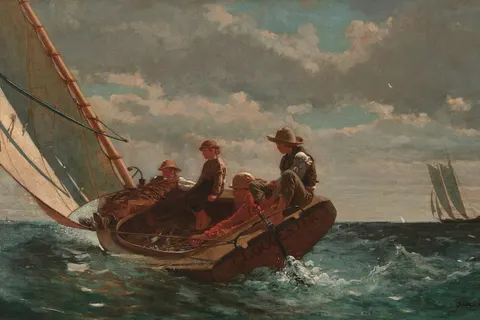

Breezing Up (A Fair Wind)
Winslow Homer, 1873
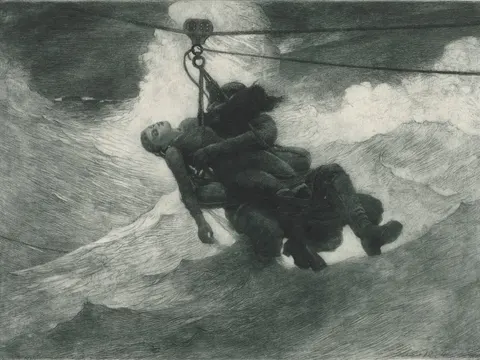

The Life Line
Winslow Homer, 1884
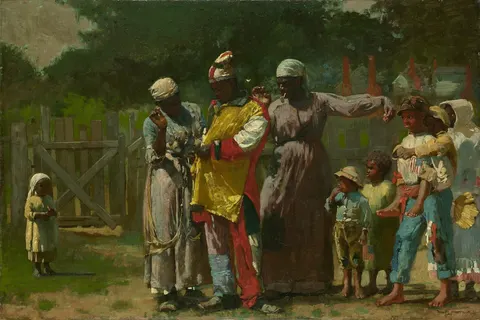

Dressing for the Carnival
Winslow Homer, 1877
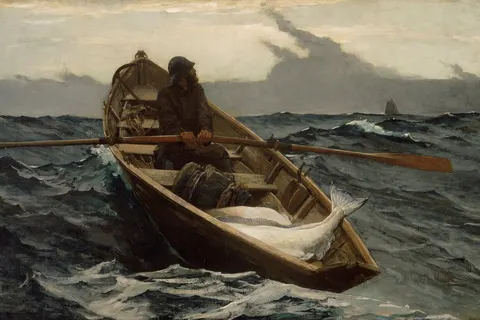

The Fog Warning
Winslow Homer, 1885
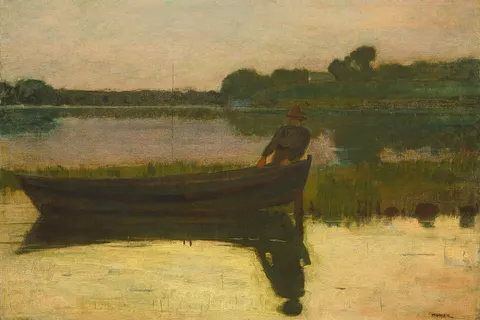

Sunset
Winslow Homer, c. 1875
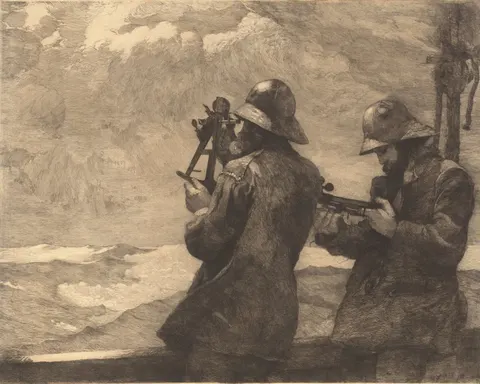

Eight Bells
Winslow Homer, 1887
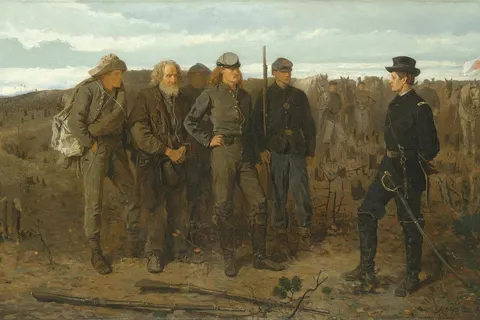

Prisoners from the Front
Winslow Homer, 1866
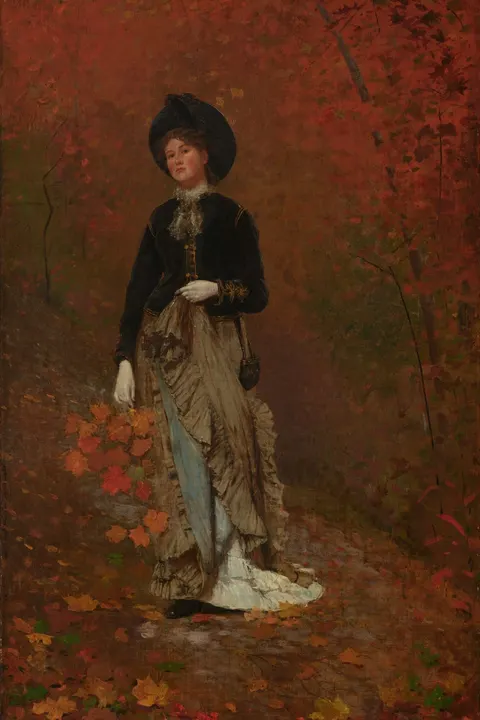

Autumn
Winslow Homer, 1877
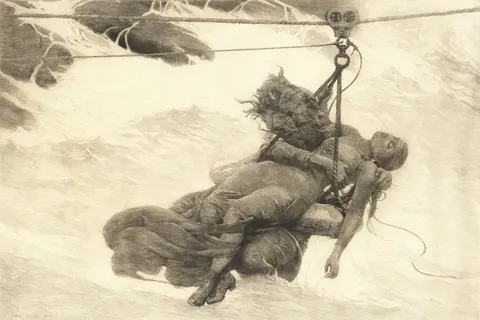

Saved
Winslow Homer, 1889
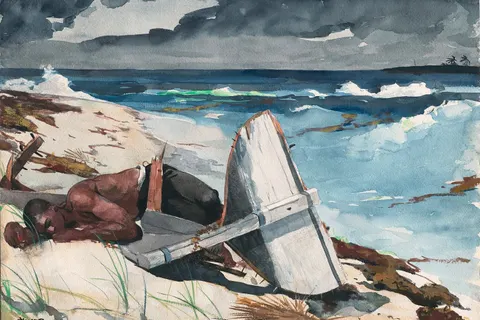

After the Hurricane, Bahamas
Winslow Homer, 1899
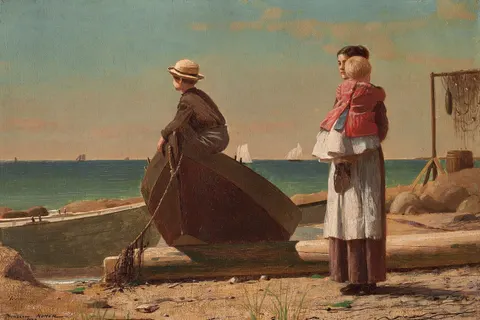

Dad's Coming!
Winslow Homer, 1873
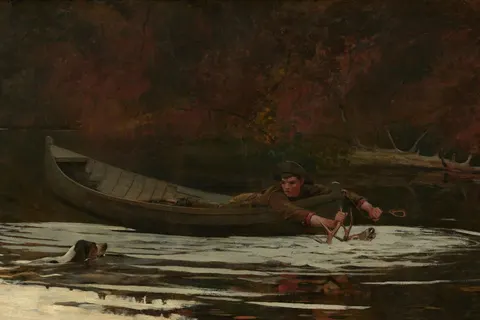

Hound and Hunter
Winslow Homer, 1892
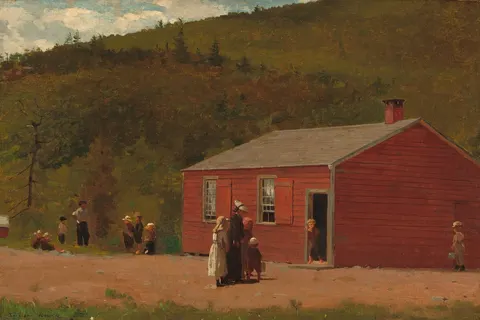

School Time
Winslow Homer, c. 1874
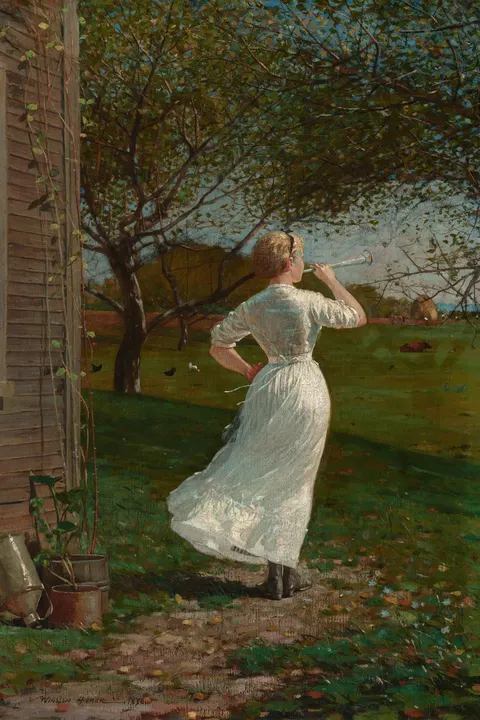

The Dinner Horn (Blowing the Horn at Seaside)
Winslow Homer, 1870
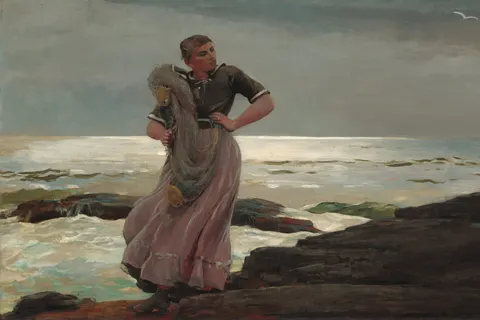

A Light on the Sea
Winslow Homer, 1897
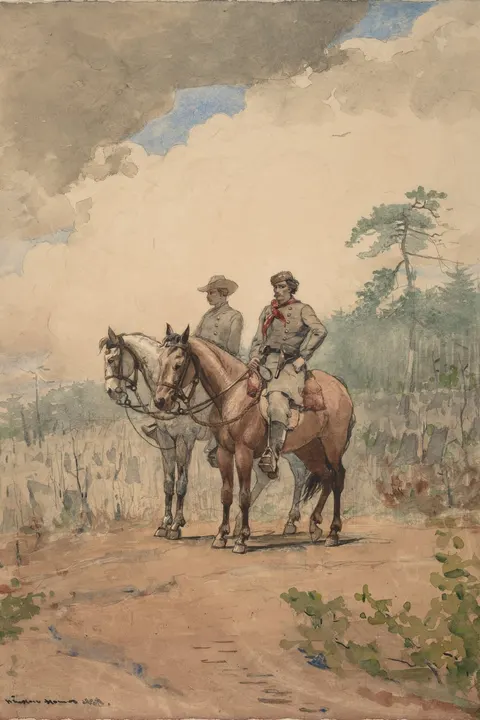

Two Scouts
Winslow Homer, 1887
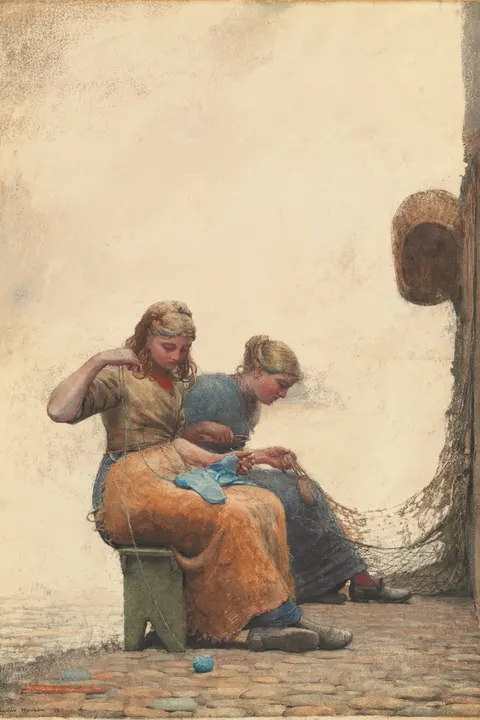

Mending the Nets
Winslow Homer, 1882
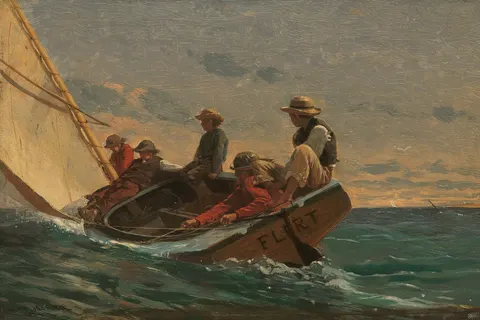

The Flirt
Winslow Homer, 1874
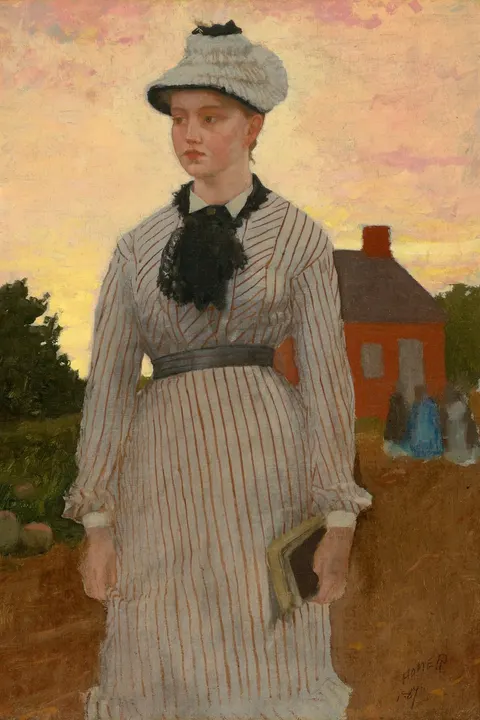

The Red School House
Winslow Homer, 1873
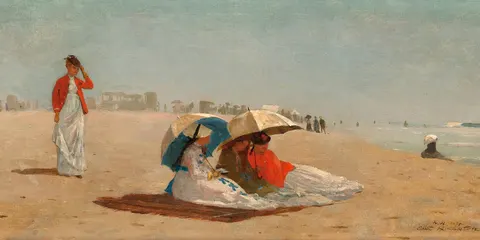

East Hampton Beach, Long Island
Winslow Homer, 1874
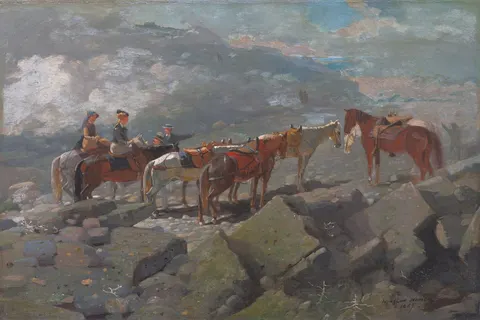

Mount Washington
Winslow Homer, 1869
About Winslow Homer
Born 1836
1860
1880
Died 1910
Born in Boston in 1836, he had his first lessons from his mother, a gifted amateur watercolourist. At 19 he was apprenticed to a Boston lithographer, turning out sheet-music covers, and afterwards said he never had a master again. Harper's Weekly sent him to sketch the Union army in the Civil War, and back in his New York studio those sketches became paintings such as Prisoners from the Front (1866). In it the Confederate prisoners lay down their rifles but refuse to bow.
The 1870s brought lighter subjects: children at play, farm life and young couples courting. Breezing Up shows a man and three boys in a catboat off Gloucester; infrared scans show he painted out a fourth boy and put an anchor in his place. He also painted Black Americans in Virginia without the stereotypes of the day, as in Dressing for the Carnival (1877).
Two years in the English fishing village of Cullercoats in 1881–82 made his work graver and more ambitious. From 1883 he lived at Prouts Neck, Maine, seventy-five feet from the ocean, and painted the sea scenes he is remembered for. In The Fog Warning, a lone fisherman with a dory holding several halibut looks over his shoulder at a fog bank that may cut him off from his ship. In Eight Bells, two sailors calmly take their bearings on deck, sure of their seamanship but wary of the sea. He repeated some of these subjects as etchings, and the Cleveland Museum of Art holds his 1884 etching of The Life Line.
Those pictures were often slow to sell; Undertow earned him only $400. Watercolour was steadier, and after 1873 he seldom travelled without his paints, to the Adirondacks, Florida and the Bahamas. He died in his Prouts Neck studio in 1910, with Shooting the Rapids, Saguenay River still unfinished. He never took students, but his advice to other artists survives: "Look at nature, work independently, and solve your own problems."
Winslow Homer is part of our American Painting collection.
Related artists
Questions about Winslow Homer prints
- What are the Winslow Homer prints made of?
- Every Winslow Homer print is printed to order in the USA. Fine art prints use 340gsm cold press fine art paper, 100% cotton rag and acid-free, with archival inks. Canvases use 360gsm archival canvas, stretched over solid wood stretcher bars.
- What size Winslow Homer print should I choose?
- It depends on the wall. As a rule of thumb, aim for artwork roughly two-thirds the width of the furniture it hangs above — check each artwork's page for a size guide against the original dimensions.
- Canvas, framed, or fine art print?
- Canvas and framed canvas suit statement walls and gift-giving, and arrive ready to hang. Fine art prints on cotton rag paper are a lower-cost way to try a piece before committing to a larger format.
- How long does delivery take?
- Every print is made to order and arrives within 8 business days, often sooner. If it arrives damaged or faulty, we replace or refund it within 90 days.